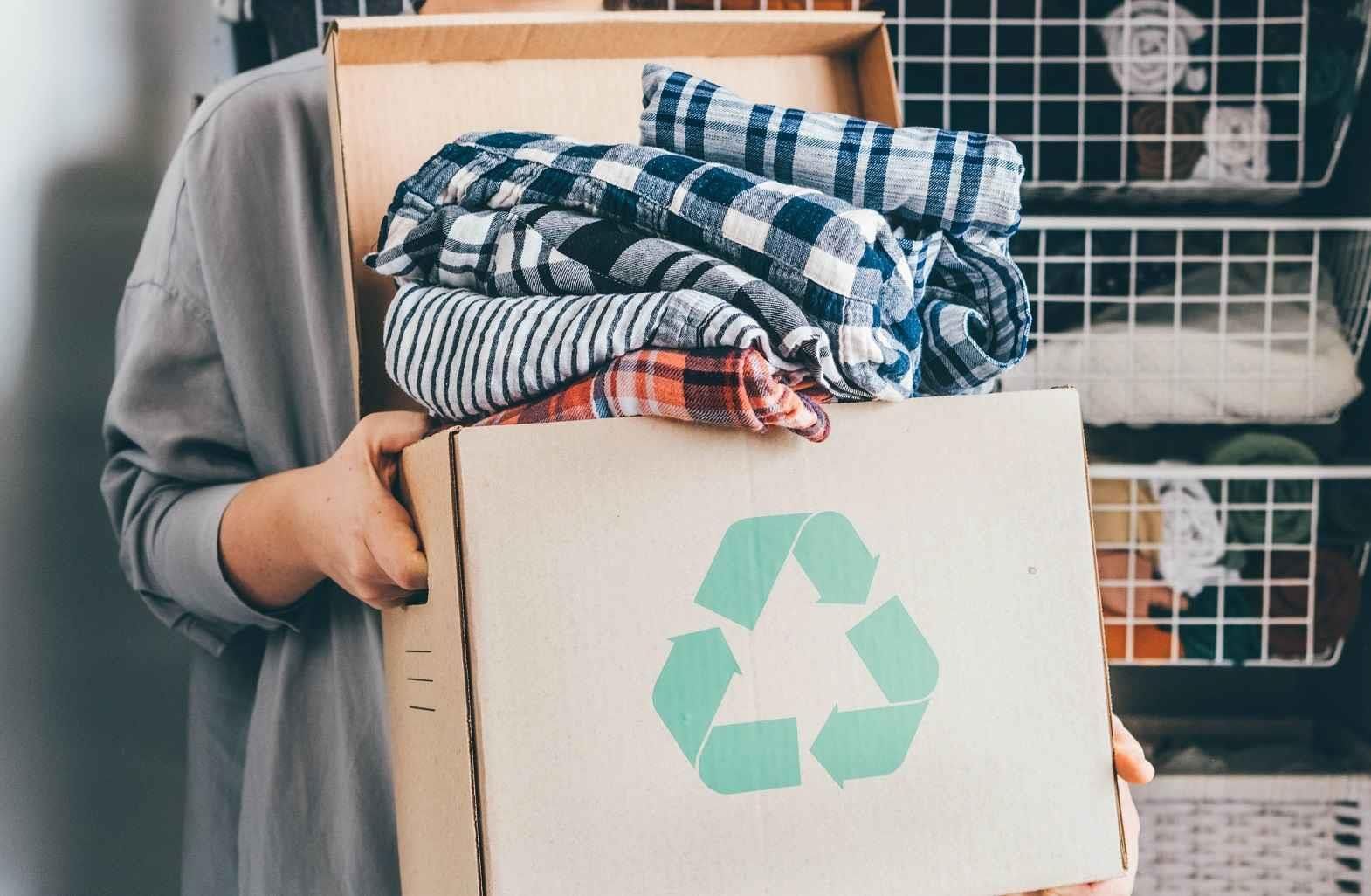
By pre and post spinning production process of producing fibers a certain amount of waste is formed. Discarding of synthetic fibers causes a serious problem due to their nonbiodegradable properties. Hence recycling of nondegradable textile material is a
2024-11-04read more >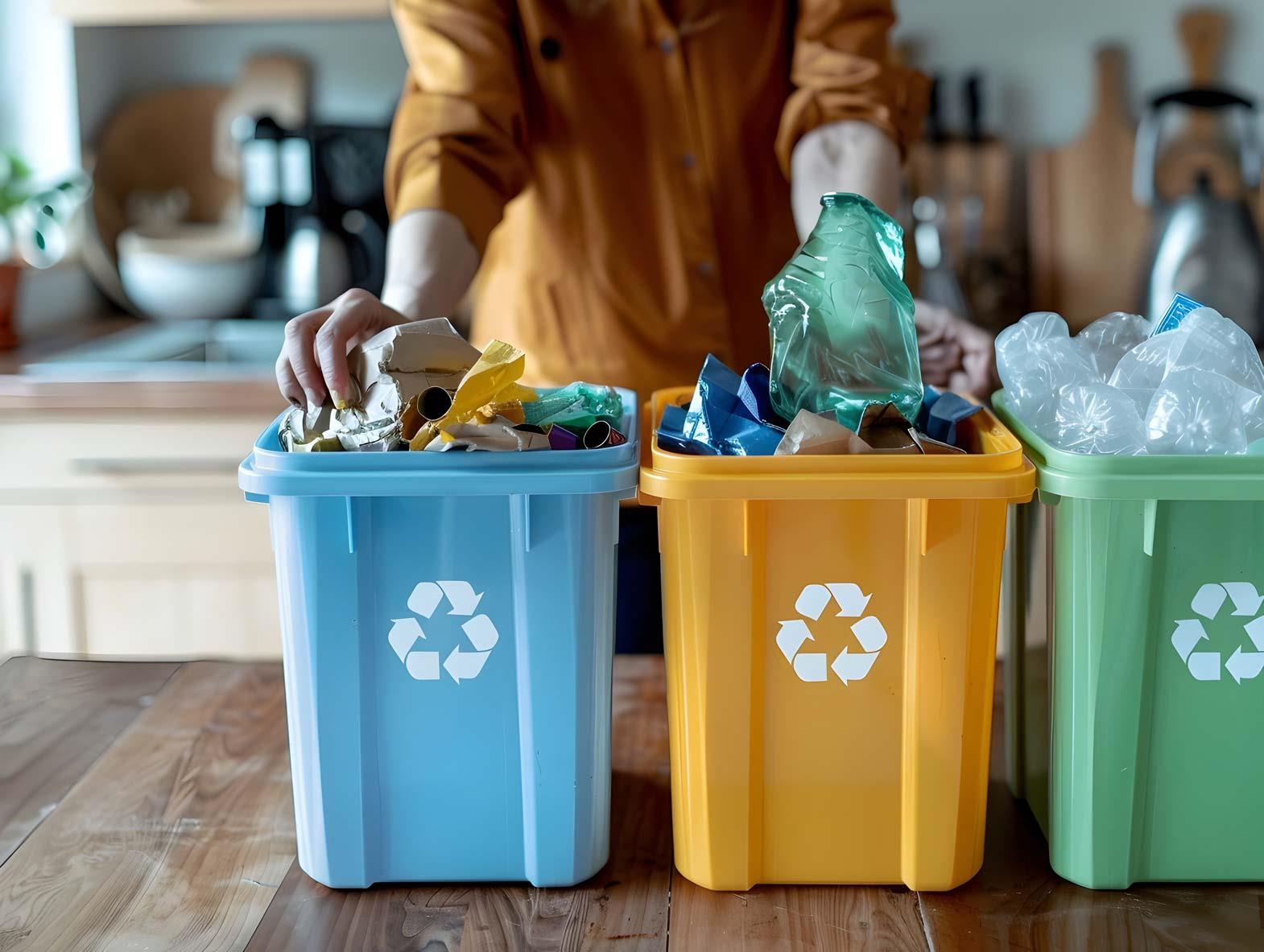
There would always be a debate when it comes to the option of purchasing of recyclables or disposable product. Usually the disposables are a lot cheaper than the recyclables. So people think that the purchase of disposables would be more economical. The m
2024-11-04read more >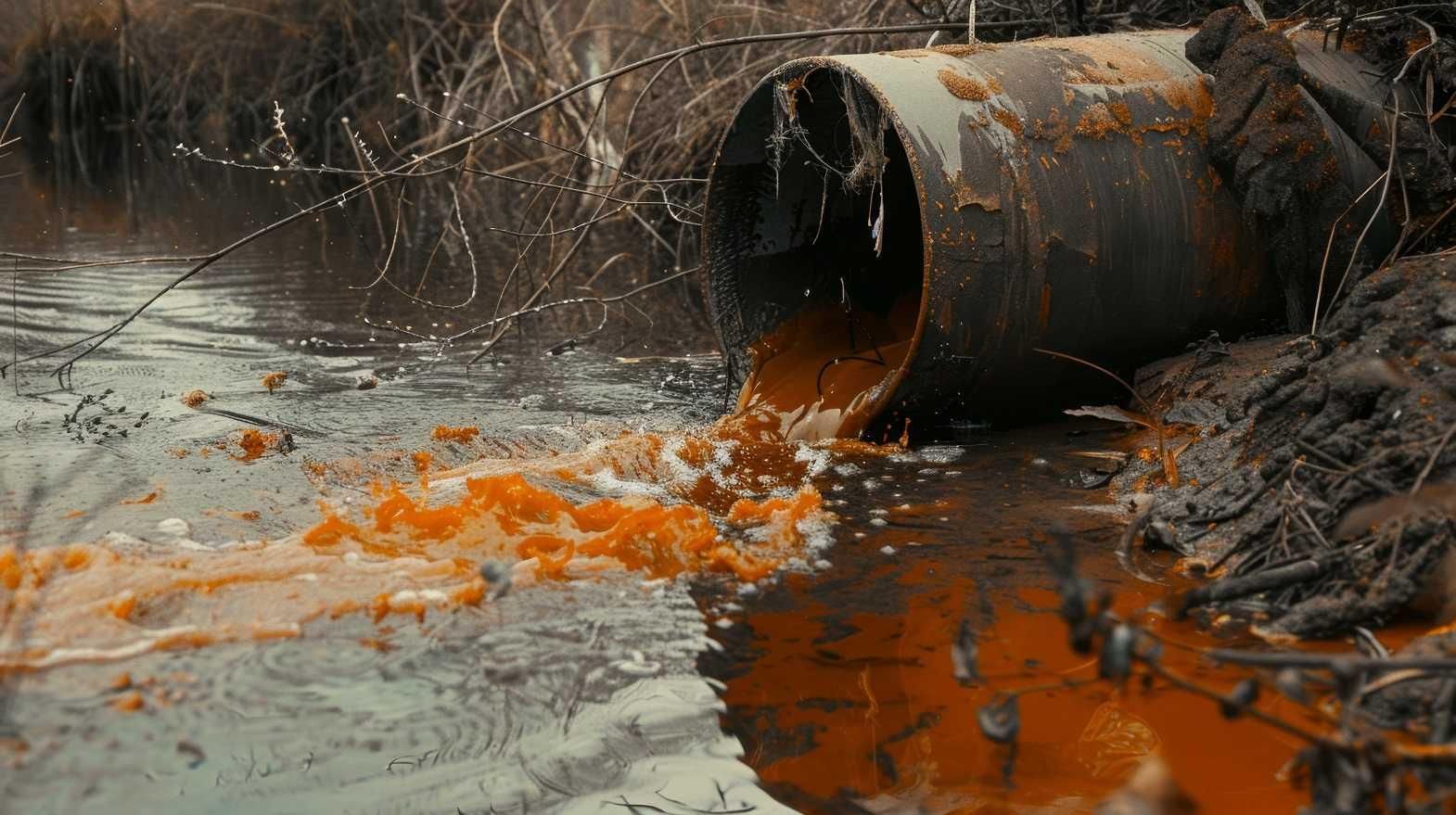
The textile industry significantly contributes to pollution, affecting air, water soil through harmful emissions wastewater. Major pollutants include carbon dioxide, formaldehyde toxic chemicals. Despite improvements and regulations in countries like C
2024-11-04read more >
Ethical clothing involves designing, sourcing, and manufacturing apparel that maximises benefits to people and communities while minimising environmental harm. It emphasises morally right practices, supporting fair wages, safe working conditions, and ecof
2024-11-04read more >
With 436 ecolabels worldwide, including 24 in textiles, the plethora of certifications confuses consumers and frustrates retailers. Efforts like the Global Organic Textile Standard GOTS and Bluesign aim to harmonize labels. The rise of ecofactories and po
2024-11-04read more >
The green production evaluation system in textiles aims to optimize resource use and minimize environmental impact. It assesses water and energy consumption, waste management, toxic materials and workplace conditions. This comprehensive approach helps com
2024-11-04read more >
Carpet recycling, emphasized in the 1993 Vaals Declaration, aims to develop sustainable disposal methods due to landfills ecological drawbacks. Research projects like RECAM explored recycling materials like PA6, but economic viability remains challenging.
2024-11-04read more >
Companies pursue environmental sustainability through strategies like green product development, energy conservation, and compliance with regulations. They manage risks, improve efficiency. Benefits include cost savings, revenue growth, and enhanced brand
2024-11-04read more >
A good pair of jeans is a chief element of a modern day wardrobe, which is both fashionable and durable. Large amount of greenhouse gases are released from the denim manufacturing processes and its impact on the environment is not so happening, as this ev
2024-11-04read more >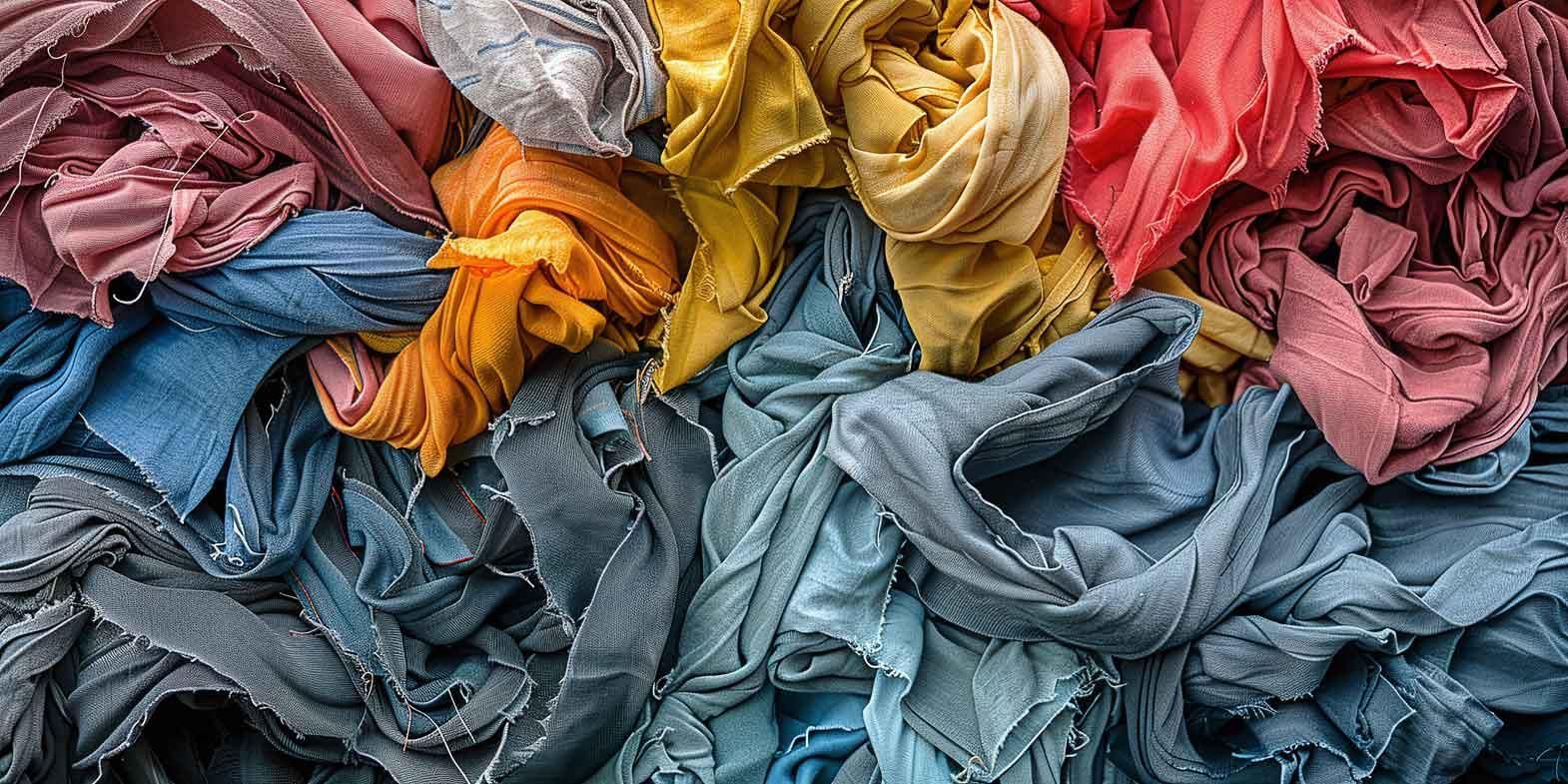
Textiles have a significant impact on the environment during their lifecycle. Large amount of water, energy, and fertilizers have made the global textile industry one of the most polluting and waste producing industries in the world. Recycling textile has
2024-11-04read more >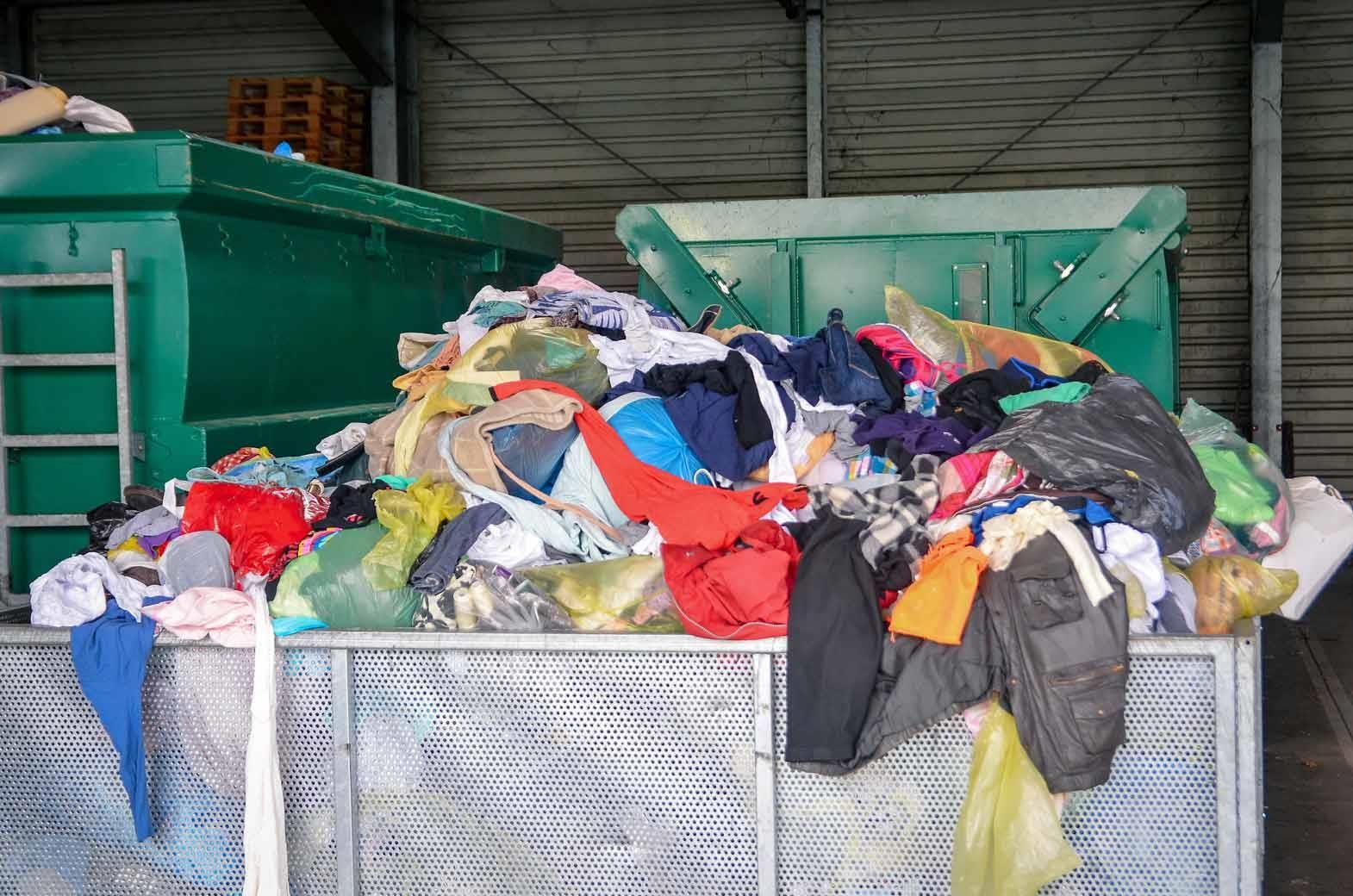
If theres one thing thats typically always true about most of the people in the world, it is that they love to dress. With awareness regarding recycling and conserving the environment, the concept of green textile has become popular, consequently, today c
2024-11-04read more >
As a general matter, I cannot say that sustainability is more about public relations than social responsibility for corporate houses, although I recognize that there may be some organizations who simply do not understand what sustainability is all about.
2024-11-04read more >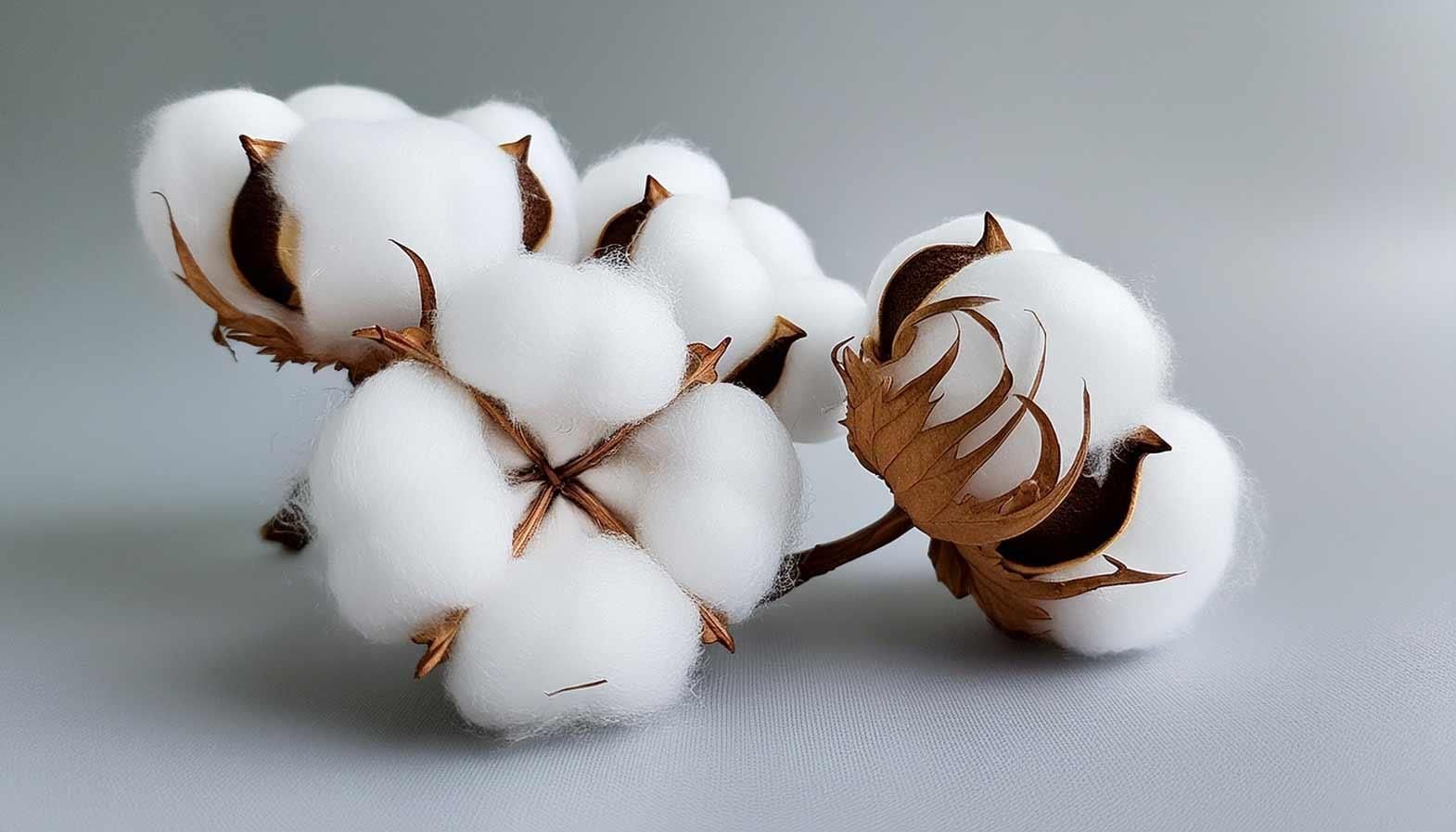
Cotton is one of the most important fiber as well as cash crop, after the food grains such as wheat and paddy in India. In the country a significant farming population about 6 million is based on it and about 4050 million people are working in the cotton
2024-11-04read more >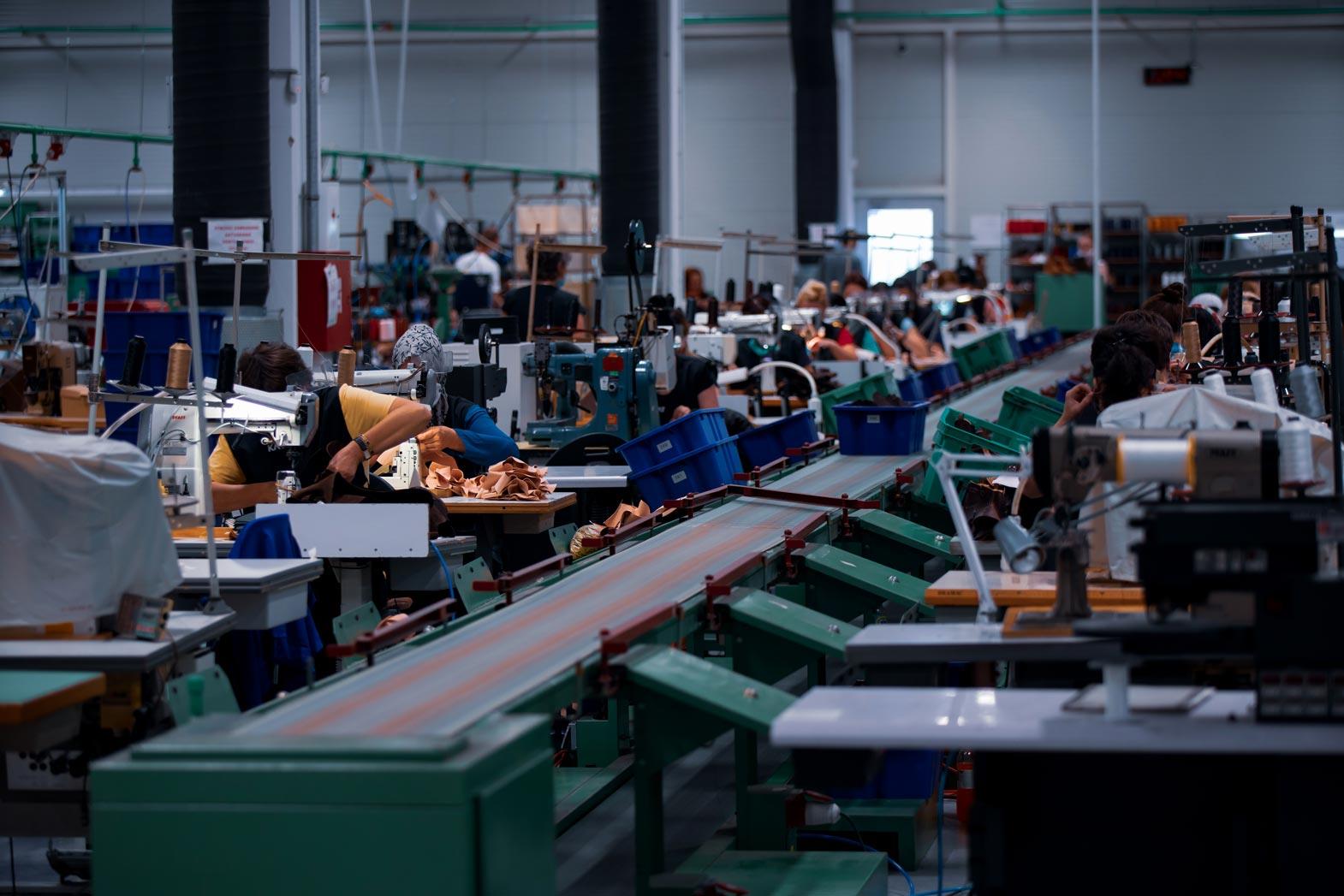
The textile industry, one of the oldest and most diverse sectors globally, transforms natural and manmade fibres into finished products like garments and industrial textiles. Its processes, including desizing, bleaching, dyeing, neutralizing, scouring, me
2024-11-04read more >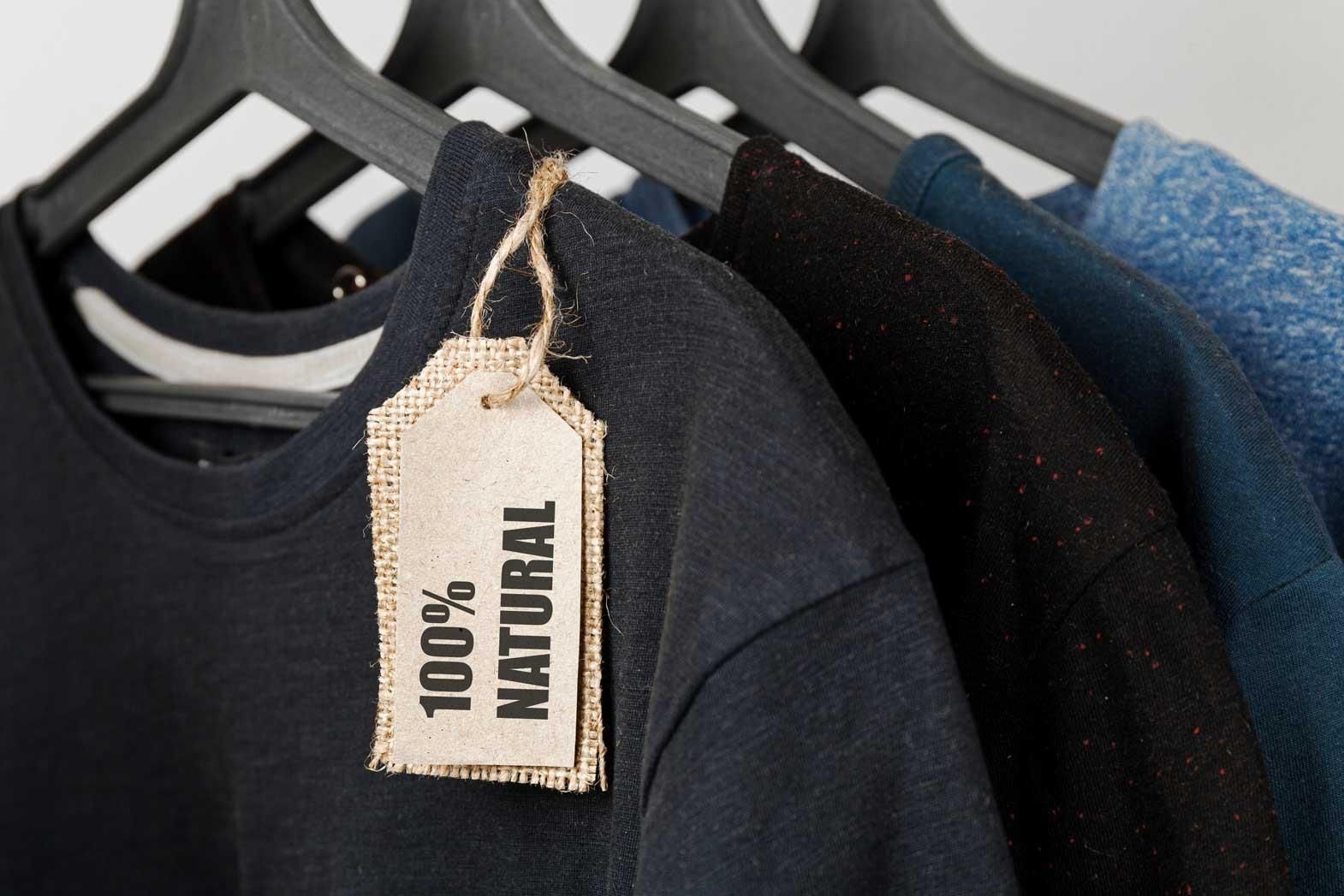
Textile industry is well known for consuming large amount of energy, water and natural resources. The high impact on environment has forced the textile industry to take the path of sustainability. Today, the consumers are aware about the greenhouse emissi
2024-11-04read more >
Bamboo, the fastestgrowing plant, is naturally organic and ecofriendly, needing no pesticides, little water, and releasing 35 more oxygen than other trees. Maturing in seven years, it doesnt require replanting and prevents soil erosion. Bamboo fabric is t
2024-11-04read more >
According to a report by nonprofit environmental organization, rayon, viscose, modal and other fabrics are being manufactured from worlds most endangered forests. The global apparel industry is an enormous sector worth 1.2 trillion. Forest based fabrics c
2024-11-04read more >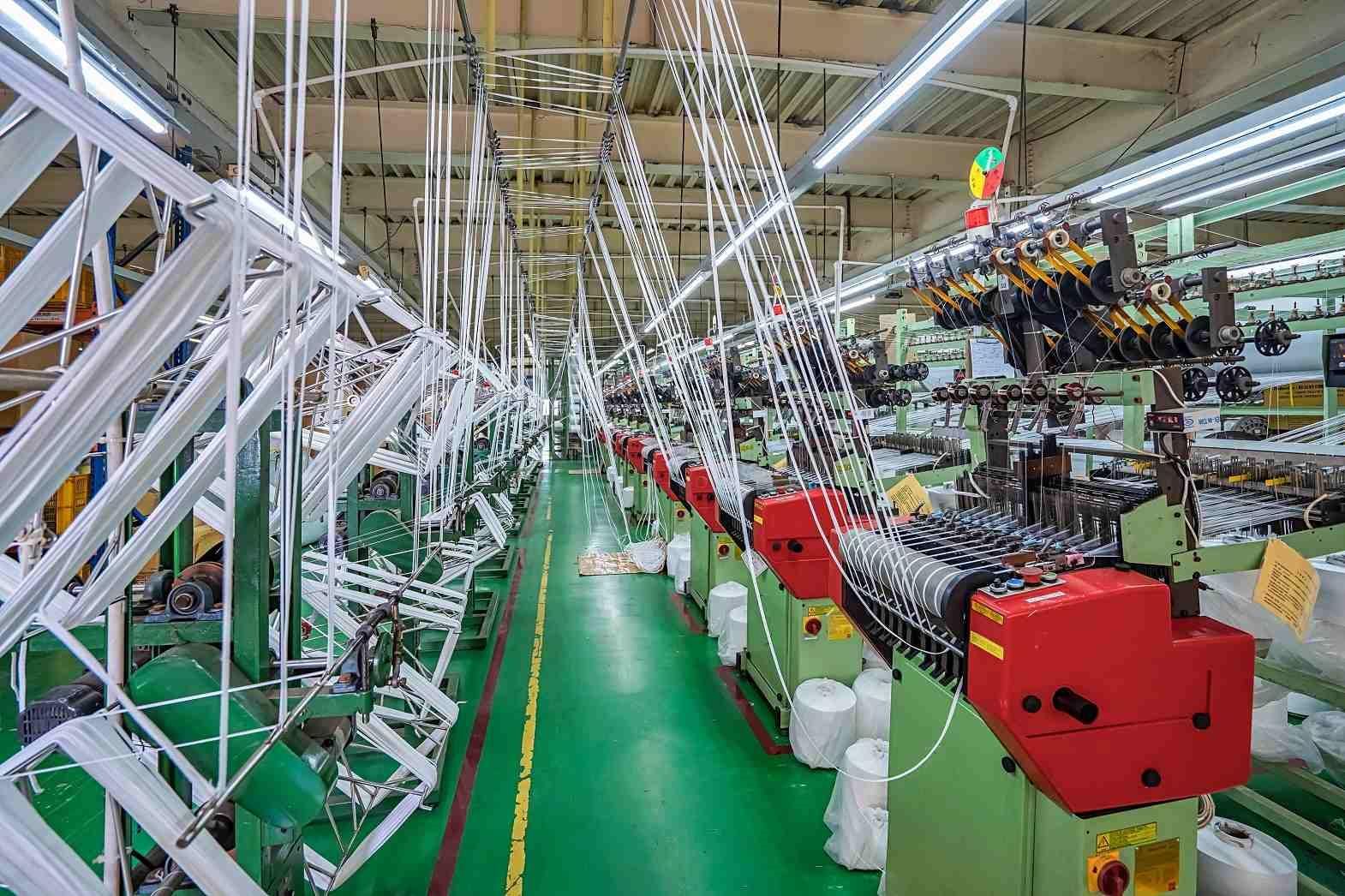
The textile industry faces pressing challenges in energy efficiency, especially in developing countries like India and China where electricity shortages drive up costs. Despite advancements in automation and renewable energy, global adoption remains uneve
2024-11-04read more >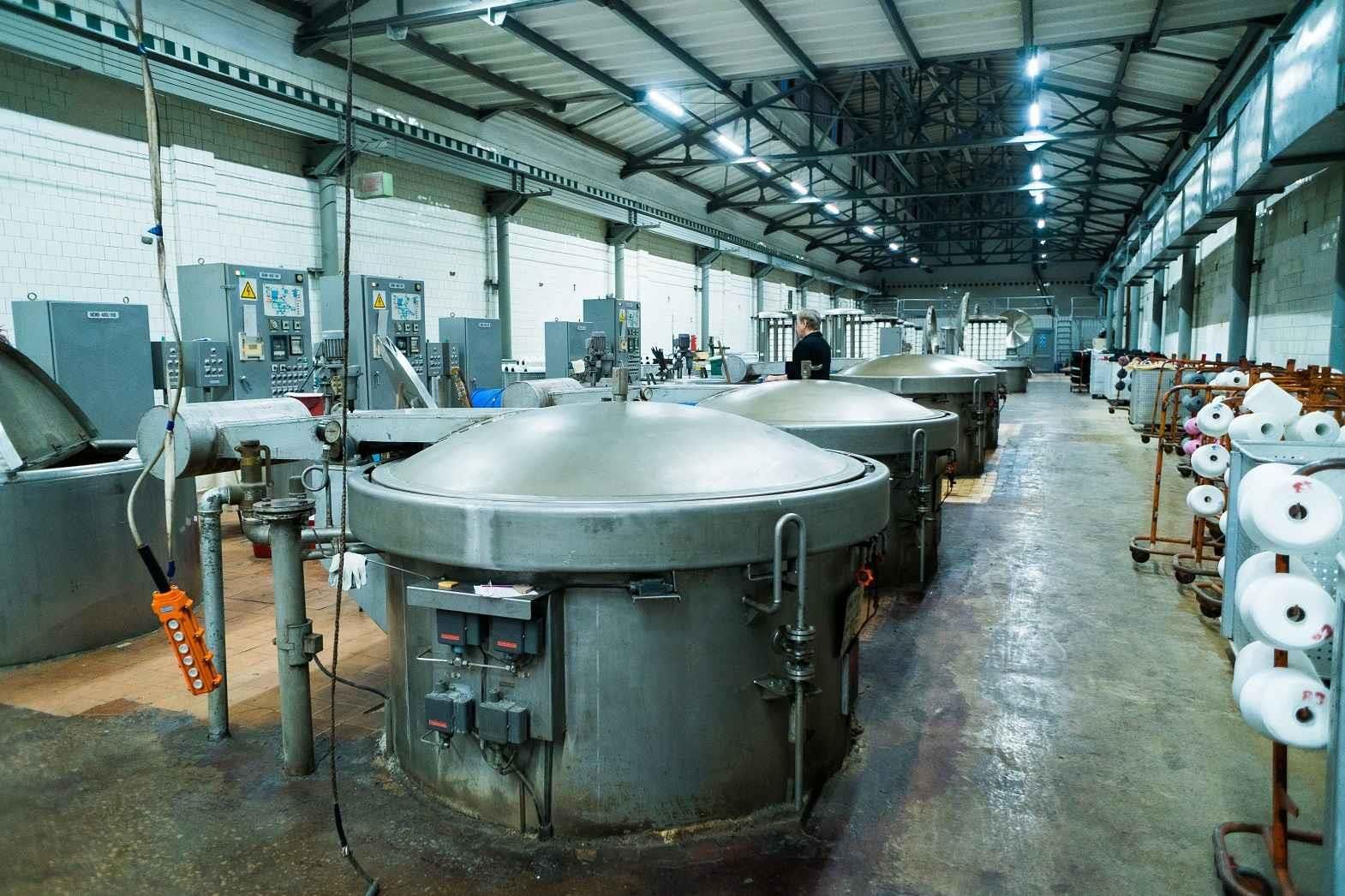
The global textile industry faces pressure to reduce toxic chemicals due to environmental awareness and regulations. While many developed countries are enforcing bans, developing nations still use hazardous chemicals. Highend brands are leading efforts to
2024-11-04read more >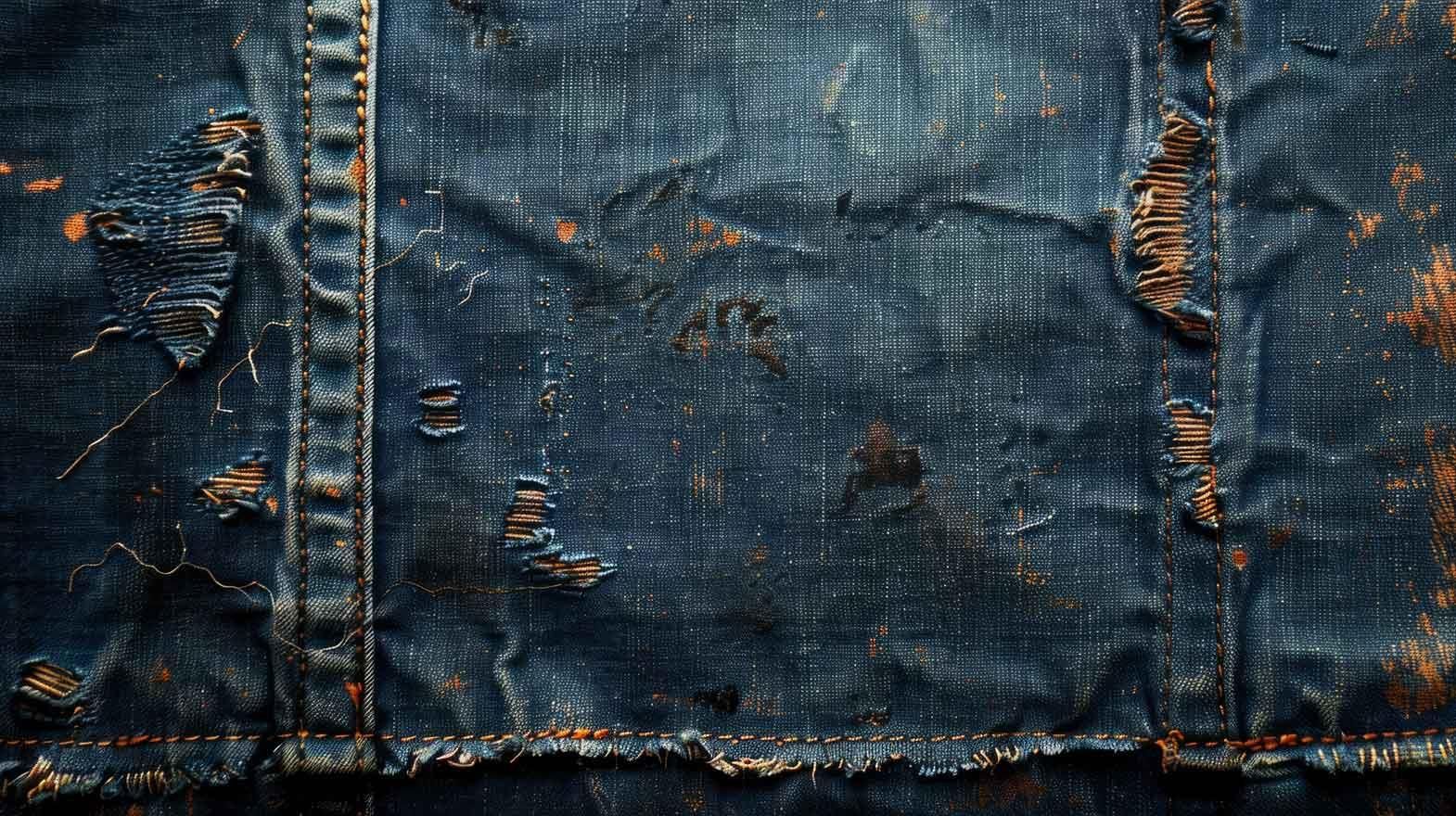
Denim is a wardrobe essential, featured in items like jeans, jackets, skirts, and even saris. Its blend of comfort and style keeps it trendy despite changing fashions. However, the denim industry has faced criticism for environmental damage. As one of the
2024-11-04read more >
Ecommerce stores in India are engaging in deep discounting to capture consumer loyalty, causing substantial operational losses. Sustainability Outlook highlights that as the industry evolves, companies must shift their focus towards profitability by reduc
2024-11-04read more >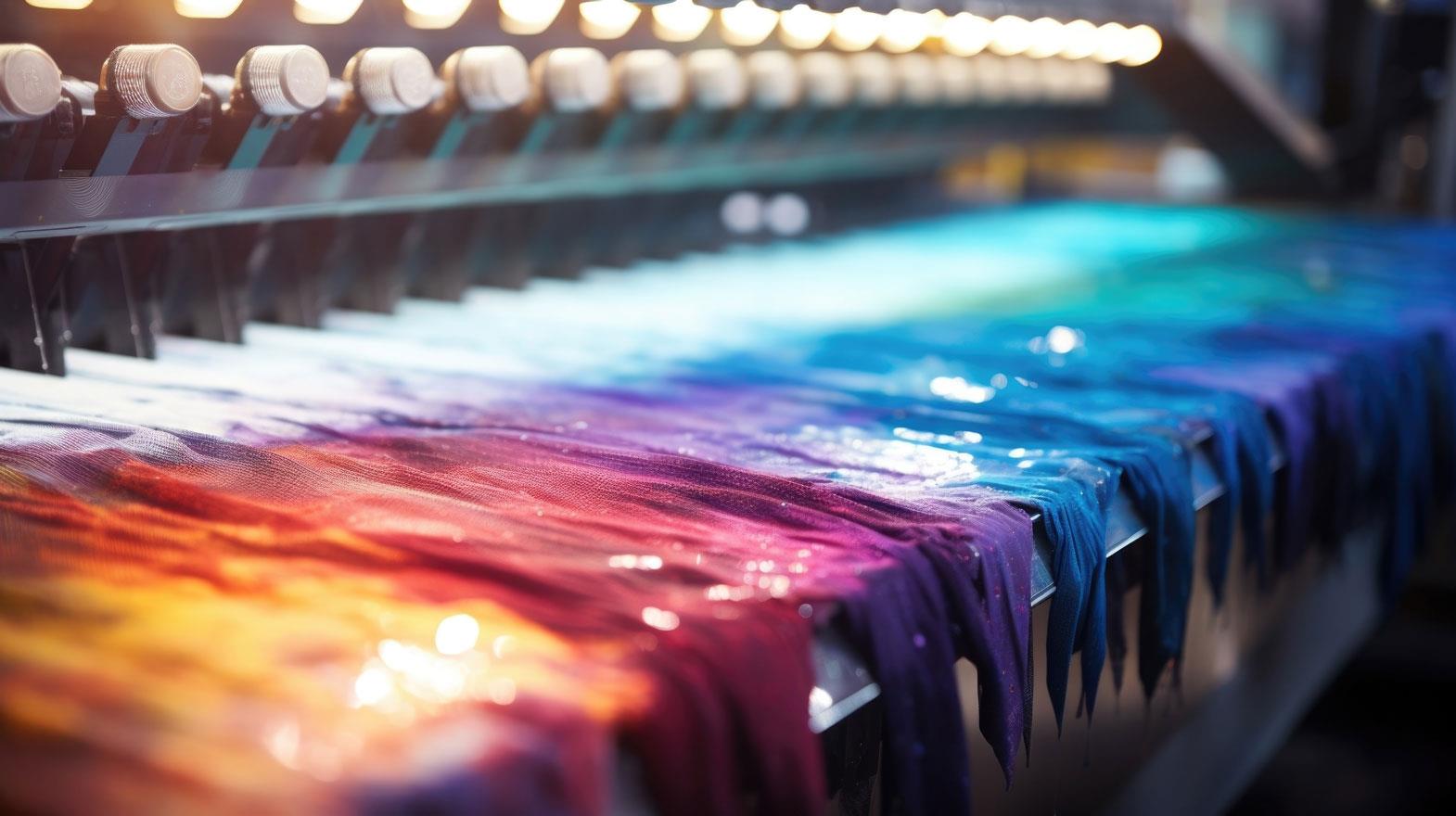
The global textiles industry is striving to balance economic development with environmental protection. Fanny Vermandel underlines the need for sustainable dyeing processes, focusing on RD for ecofriendly products with regulations. Innovations in dyes, fr
2024-11-04read more >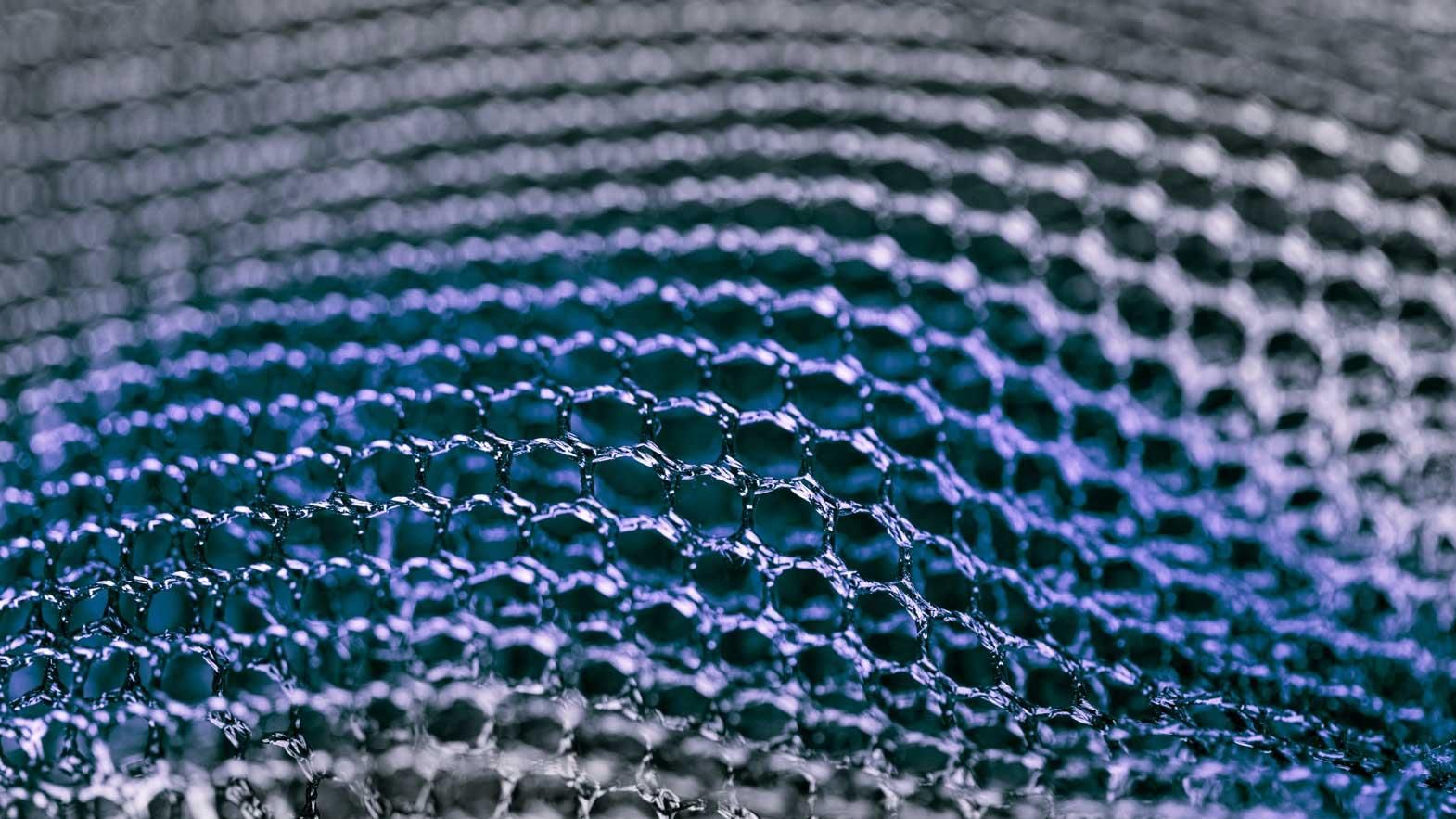
A small weavers society in Kerala has been applying traditional knowledge of Ayurvedic dyeing with herbs to produce, what are being called, medical clothing. Sudha Passi writes about the initiative. Even as smart technical textiles with antimicrobial prop
2024-11-04read more >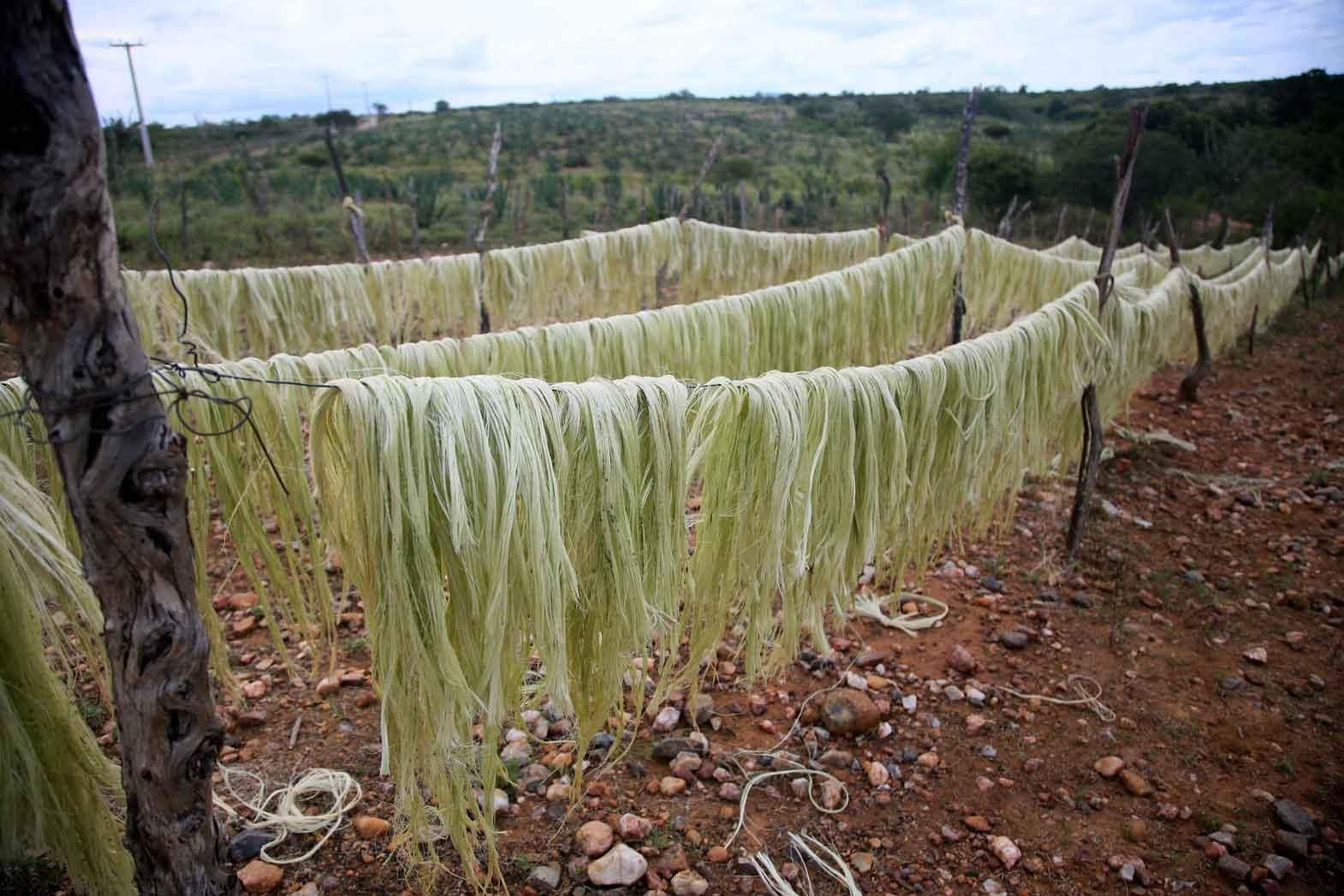
The droughtresilient sisal fibre grows well all year round in hot climate and arid regions which are often unsuitable for other crops. It is resilient to disease and its input requirement is low compared to other crops. It is 100 per cent biodegradable, a
2024-11-04read more >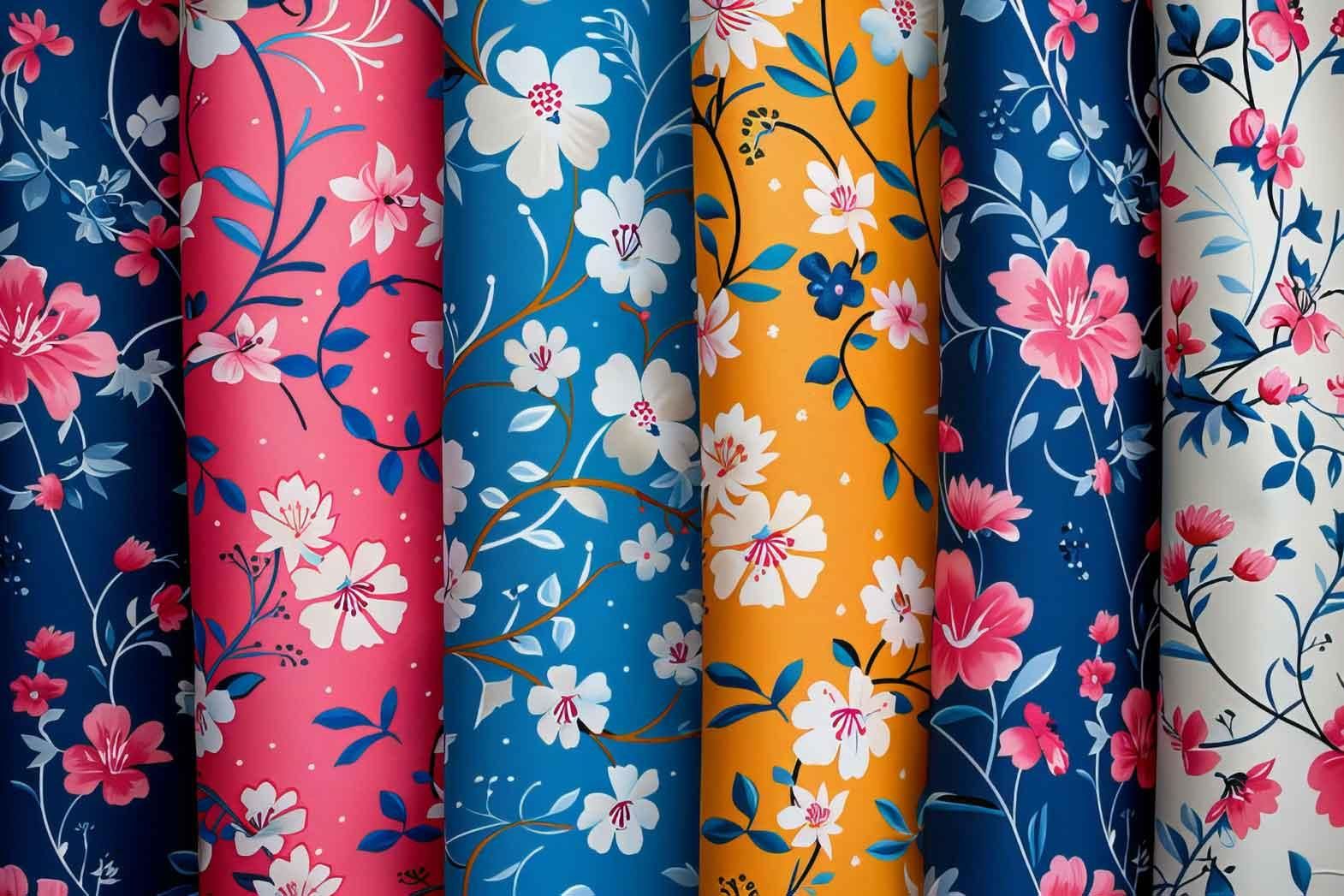
Craftsmanship and sustainability go hand in hand in the context of rich crafts and traditions. This casestudy research focused on two Indian designers whose design work is based on traditional Indian textile arts. Openended questions provided valuable ins
2024-11-04read more >Copyright © 2024 SBS Corporation All Rights Reserved.