

Germanys budget woes are casting a long shadow, threatening to dampen economic growth and stoke political friction. The ruling coalition faces a tightrope walk, balancing fiscal responsibility with pressing needs like climate action and social welfare. Wh
2024-11-04read more >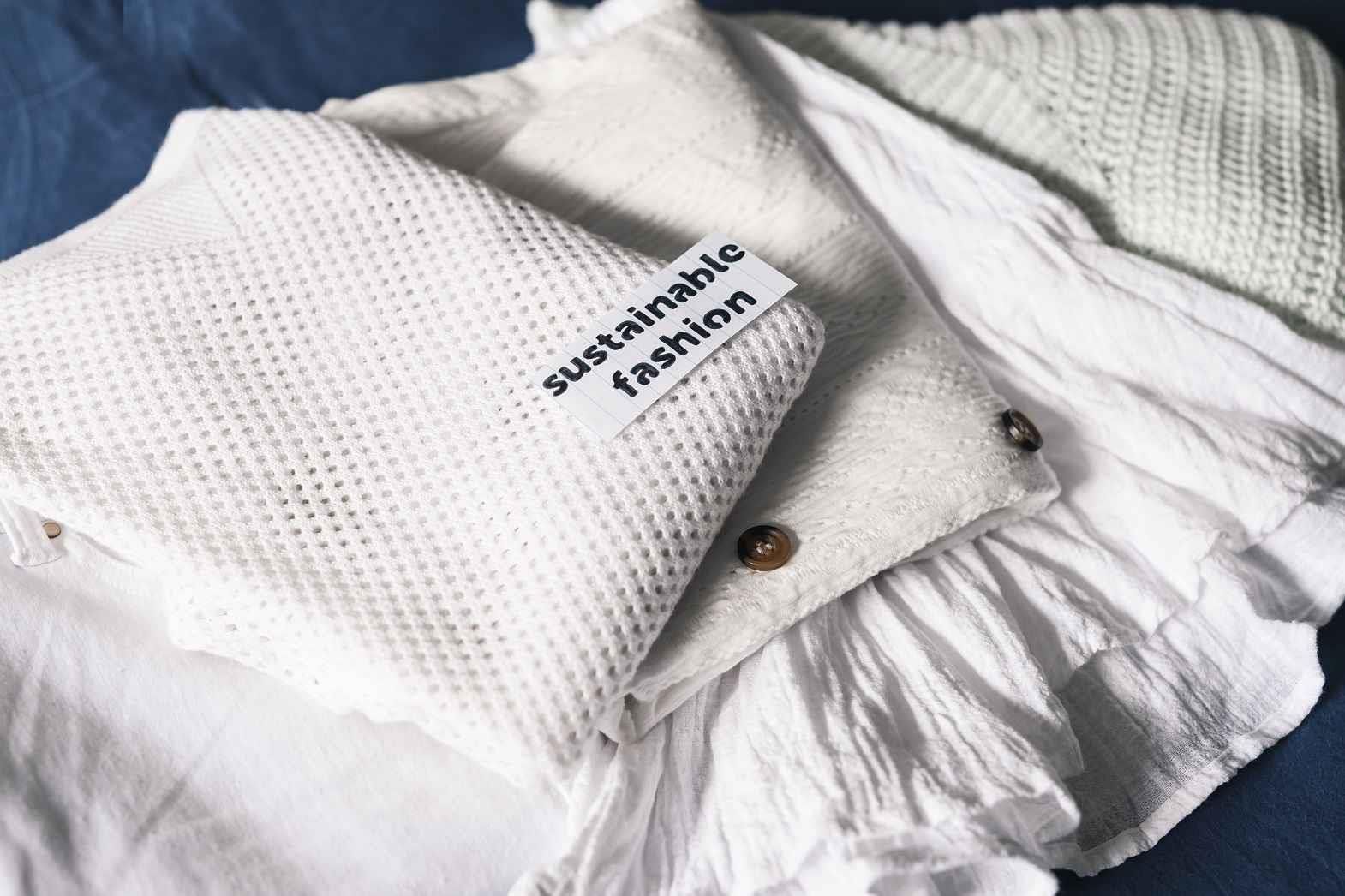
Sustainable fashion, focusing on minimal environmental and societal impact, is crucial as industry accounts for significant carbon emissions and resource usage. Progress includes increased use of responsible materials, repair and reuse models, growth in p
2024-11-04read more >
The global textile industry faces challenges due to the Red Sea crisis, leading to higher freight costs and prolonged transportation. Strategies include diversifying routes and enhancing shipment tracking. The industry anticipates excess ocean capacity bu
2024-11-04read more >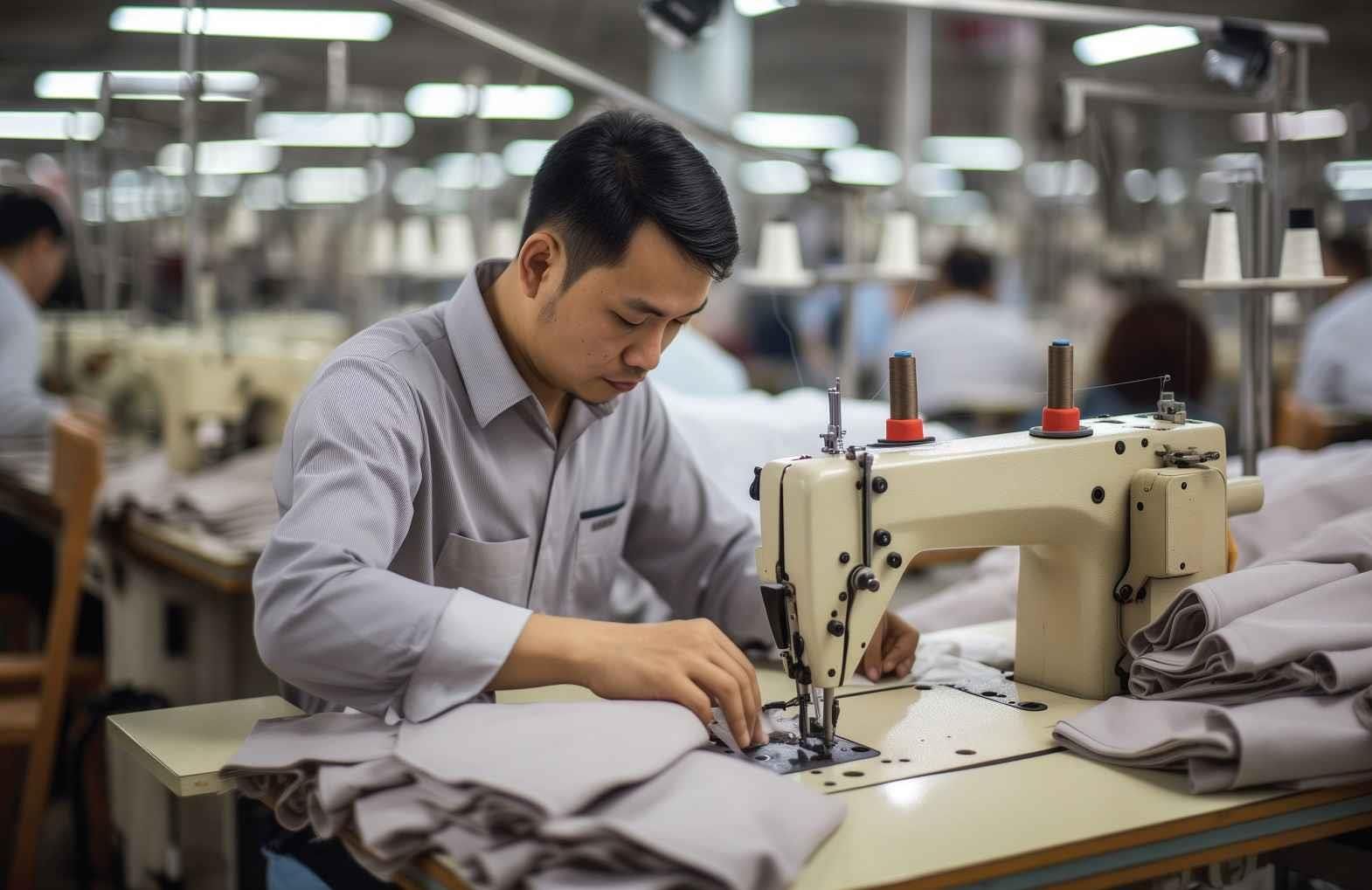
Quality control is indispensable in the apparel industry to ensure that all garments adhere to specific standards, requirements, and regulations. Its role in maintaining consistency and quality cannot be overstated. This article explores its significance
2024-11-04read more >
This article offers a comprehensive exploration of a rapidly evolving sector, poised on the brink of global recognition. Through an examination of its triumphs and trials, this article paints a vivid picture of a dynamic industry at the heart of cultural
2024-11-04read more >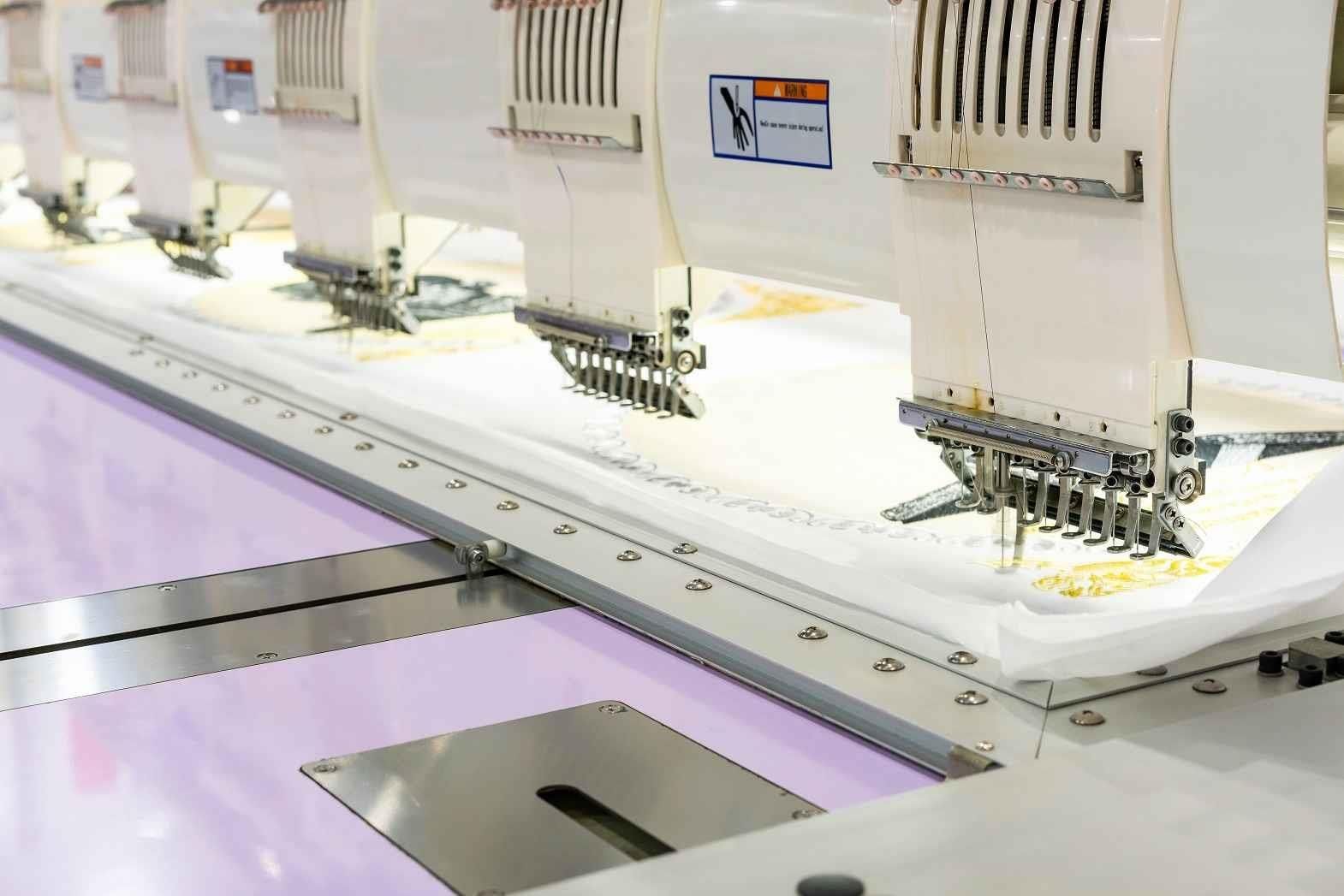
AI and automation revolutionise the global apparel industry by enhancing supply chain efficiency and production precision. This shift towards techdriven manufacturing addresses the limitations of manual processes, promising sustainability and responsivene
2024-11-04read more >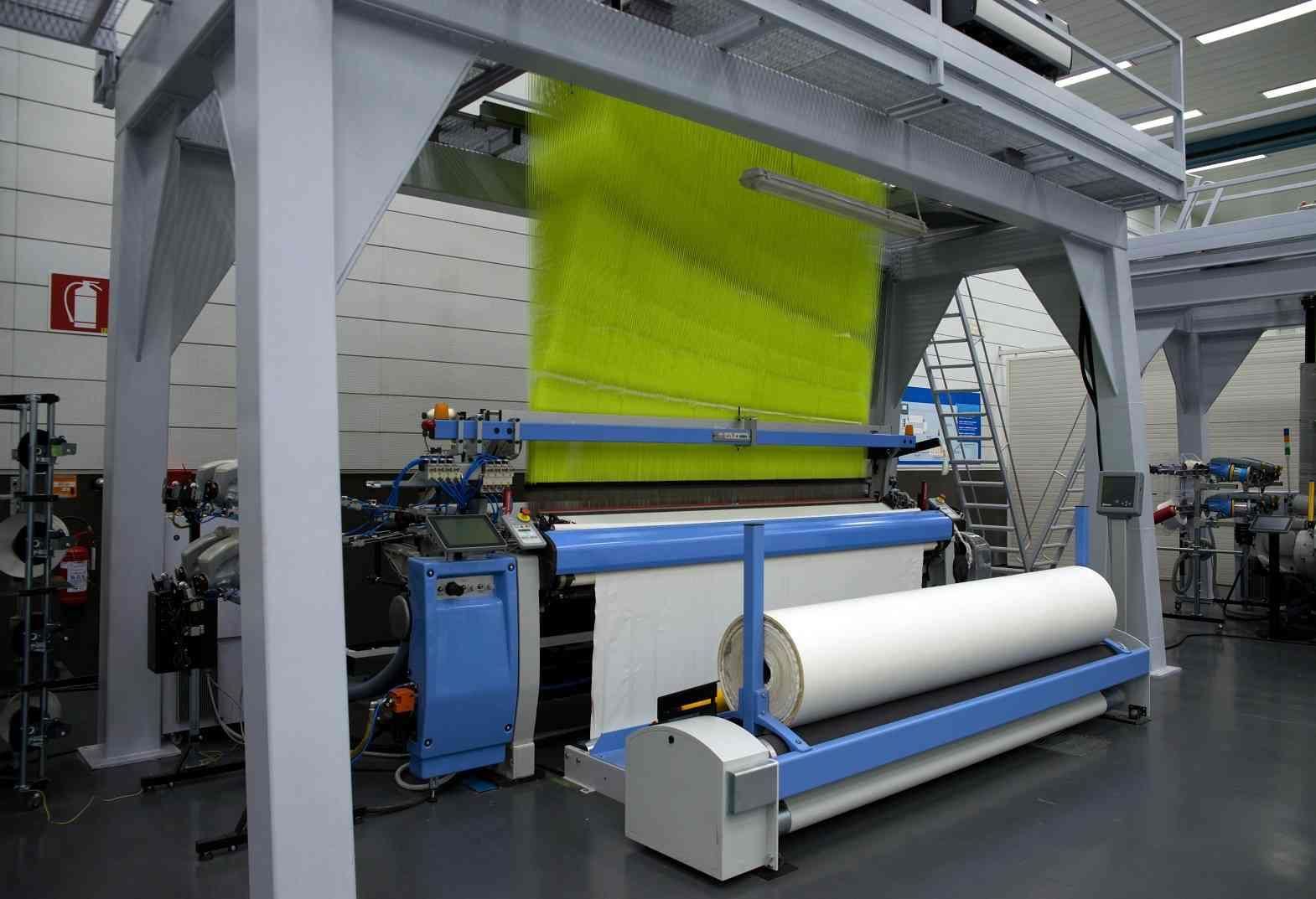
The AsiaPacific region remains a dominant force in global textile and apparel trade. Recent trends show robust demand for finished clothing products, with China, Bangladesh, Vietnam, and India playing key roles. Despite leading in exports, the region also
2024-11-04read more >
AIs integration into fashion enhances design, customisation, and efficiency, with generative AI promising an additional 150bn in revenue. Exploring AIs transformative role in fashion, from generative design and supercustomisation to sustainable practices
2024-11-04read more >
The AsiaPacific region stands as a pivotal force in the global textile and apparel market. Despite recent challenges and regional conflicts, the region continues to showcase resilience and adaptability. Emerging economies like Cambodia and Vietnam exhibit
2024-11-04read more >
Hemps strength, quick growth, and high yield per acre make it a key player in ecofashion despite misconceptions linked to its relation to cannabis, which pose challenges such as regulatory hurdles. Hemps versatility and environmental benefits are leading
2024-11-04read more >
The textile industry is exploring closedloop recycling methods, such as Wear2wear and Garment to Garment processing, to tackle apparel waste. Despite advancements, challenges persist in achieving fully recycled garments. Coordinated efforts involving gove
2024-11-04read more >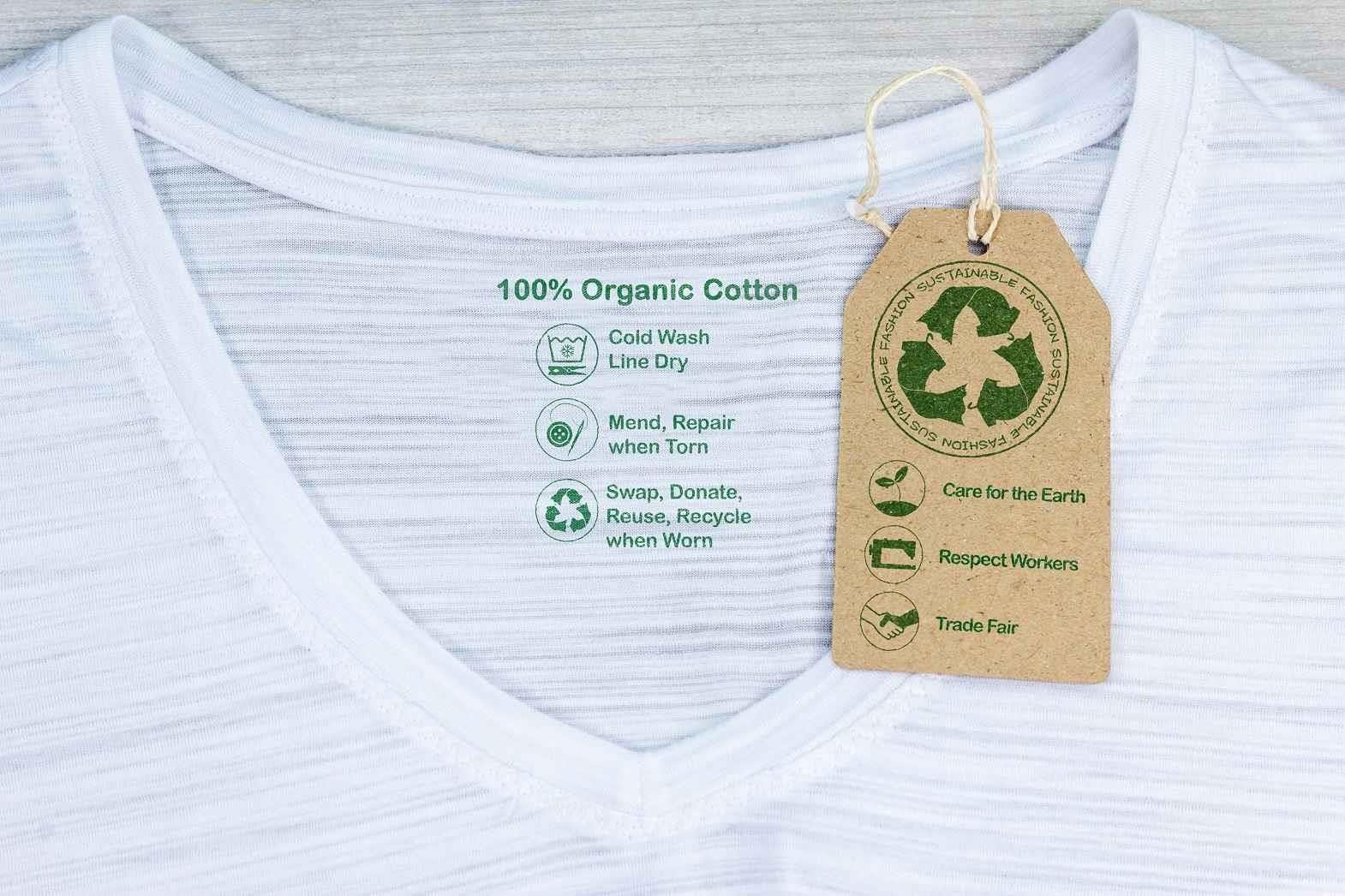
Fast fashions environmental impact is significant, with innovations like organic fibres, recycled materials, and closedloop recycling making production more sustainable. Brands like Patagonia and Nike are adopting energyefficient practices and renewable e
2024-11-04read more >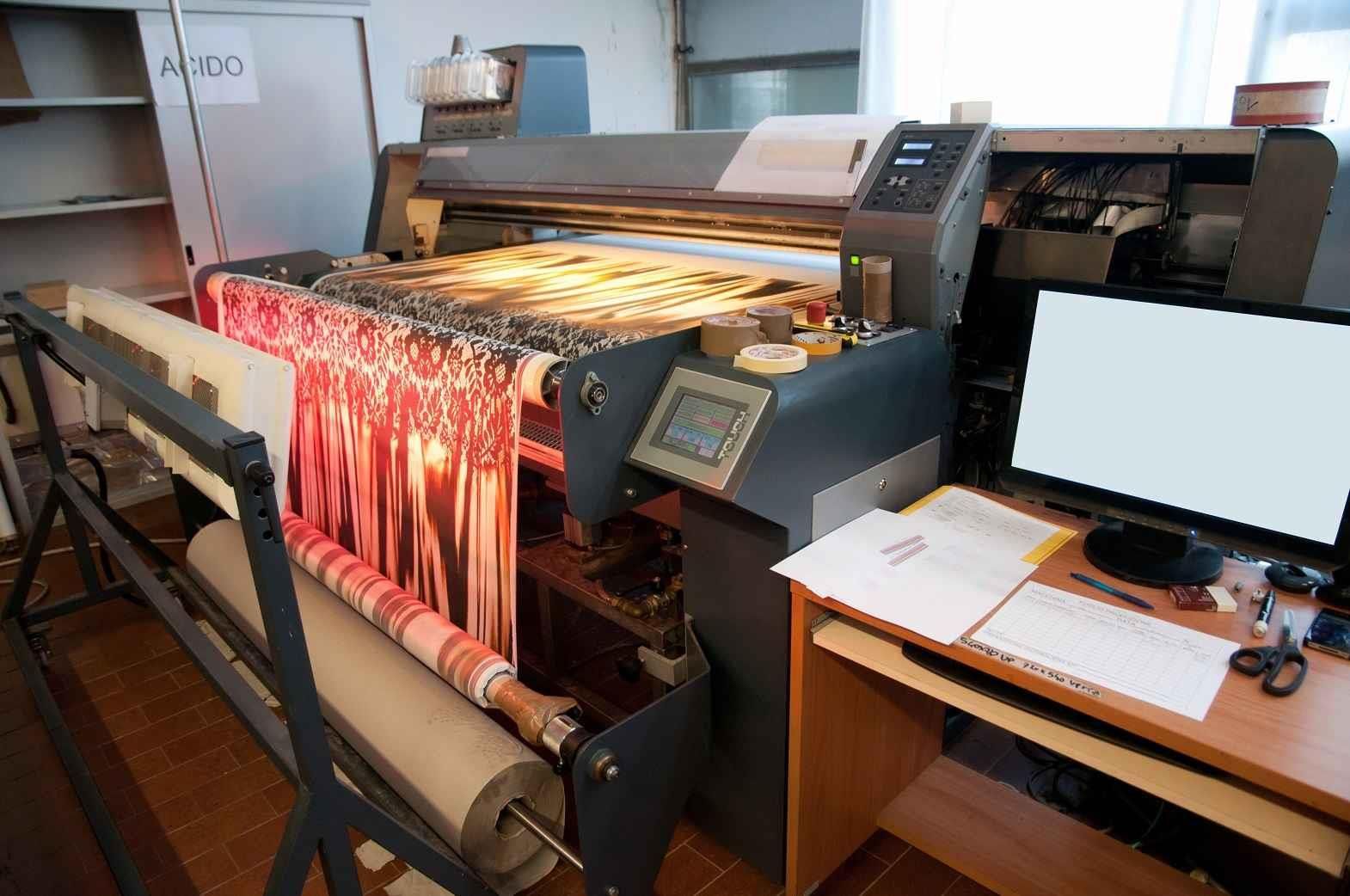
Technological innovations are critical in propelling Printing 4.0. Digital printing in textiles appears to have a bright future, with an increasing focus on affordability and sustainability. Its nonpolluting and environmentally benign nature makes digital
2024-11-04read more >
Various processing techniques can convert chicken feathers into fibres suitable for textile production, offering a renewable and ecofriendly alternative to conventional textiles. The chemical composition and properties of chicken feather fibres are discus
2024-11-04read more >
Fashion is evolving towards inclusivity, addressing the unique challenges faced by blind and visually impaired individuals. Designers are focusing on tactile experiences, highcontrast colours, userfriendly closures, and accessible information like braille
2024-11-04read more >
Effective merchandising is essential for adapting to fast fashion trends and maintaining efficient SCM. The integration of technology and data analytics has revolutionised merchandising practices, enhancing inventory management and predictive analytics. M
2024-11-04read more >
Welcome to the cuttingedge trends of the SpringSummer 2024 fashion season, where creativity meets practicality, and every outfit tells a story of innovation. From sleek silhouettes that redefine casual elegance to vibrant colours that embody the spirit of
2024-11-04read more >
Readymade garments RMG often include metallic accessories like buttons and zippers for aesthetic appeal. These accessories can cause issues such as skinscratching and corrosion, impacting garment durability. Preventative measures include applying rustproo
2024-11-04read more >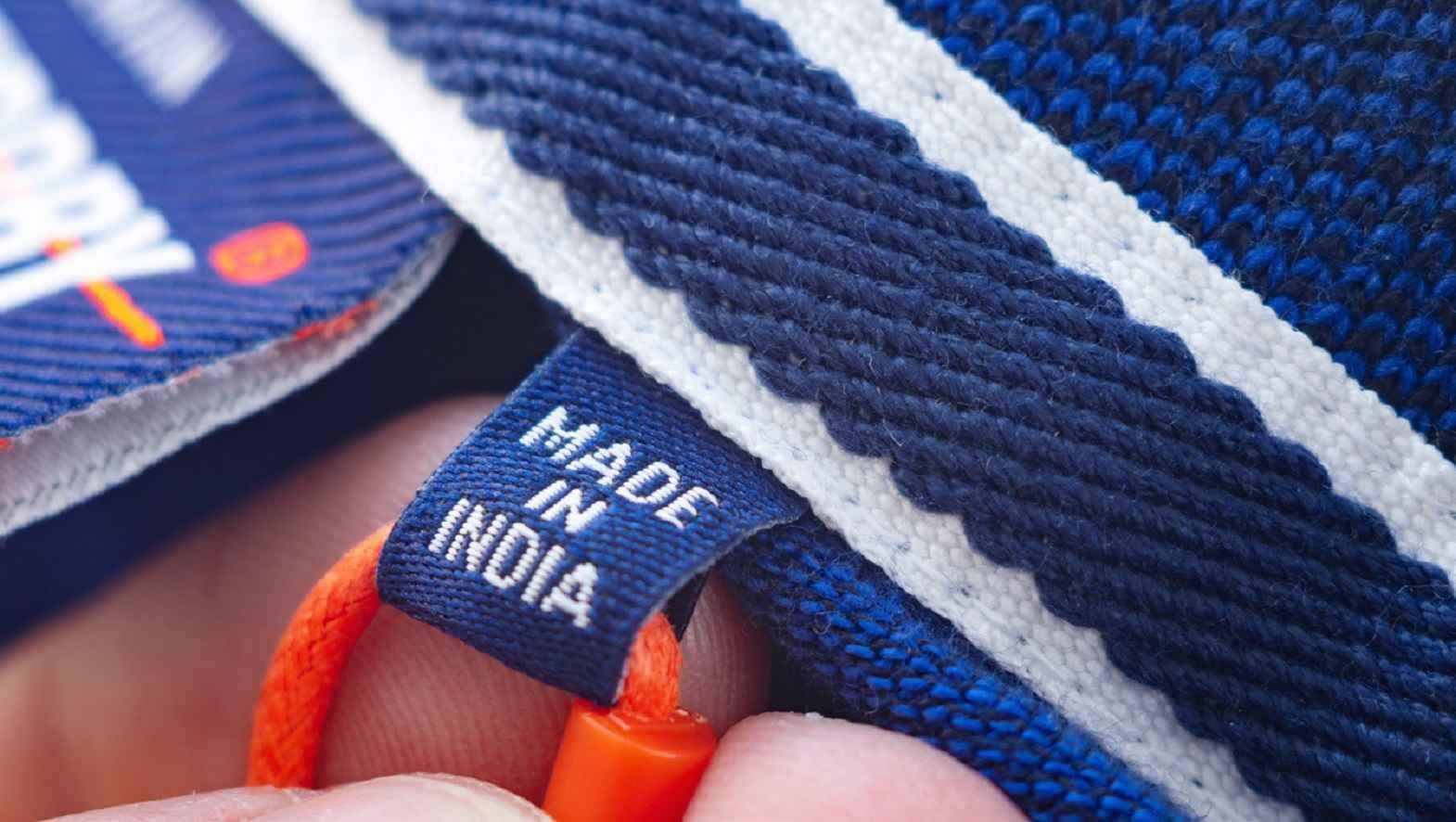
Indias textile industry stands at a pivotal juncture, poised to reclaim its historical prominence amid global shifts. This article explores the current landscape, diagnoses industry ailments, and offers strategic recommendations to weave a brighter, susta
2024-11-04read more >
This article explores the resurgence of vintage fashion, driven by social media, sustainability, and influencer endorsements. It highlights key vintage pieces like leather jackets and silk scarves, offers tips on blending them with modern outfits, and emp
2024-11-04read more >
The evolution of pattern engineering software has transformed the apparel industry, moving from manual techniques to sophisticated digital solutions. CAD systems improved accuracy and efficiency, while 3D patternmaking and virtual prototyping reduced the
2024-11-04read more >
Purposedriven marketing is gaining momentum in Pakistan as brands align their missions with societal and environmental values. With Millennials and Gen Z seeking ethical and responsible practices, this trend helps brands build trust and loyalty while driv
2024-11-04read more >
Automation is transforming the apparel industry with robotic sewing, AI, and predictive analytics. This shift enhances production efficiency, supports sustainability, and drives mass customisation, enhancing the competitiveness of apparel manufacturers. H
2024-11-04read more >
In 2023, 82 per cent of Dutch businesses in manufacturing and retail have implemented sustainability measures, up from 79 per cent in 2022. While 23 per cent focused on energy, 15 per cent concentrated
2024-11-01read more >
India's BCI yarn prices have plummeted over 35 per cent since May 2022, with a 38.8 per cent drop in 40 combed BCI yarn alone. Fibre2Fashion's TexPro indicated a steady decline to ₹283 per kg by October
2024-11-01read more >Copyright © 2024 SBS Corporation All Rights Reserved.