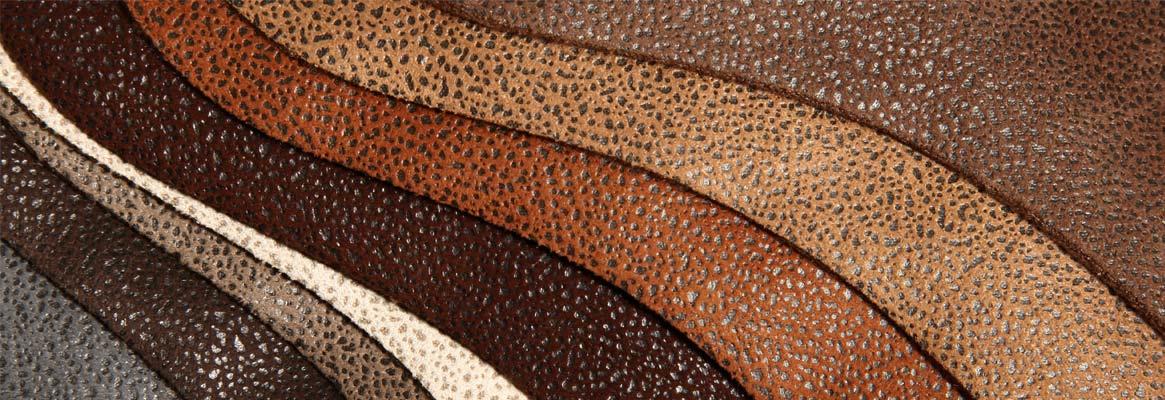
As an elegant piece of raw material, leather has always been a symbol of class and luxury. Starting from leather bags, shoes, jackets, purse, etc, leather has been a popular raw material for more than 7,000 years until today. Leather is not a fabric it is
2024-11-04read more >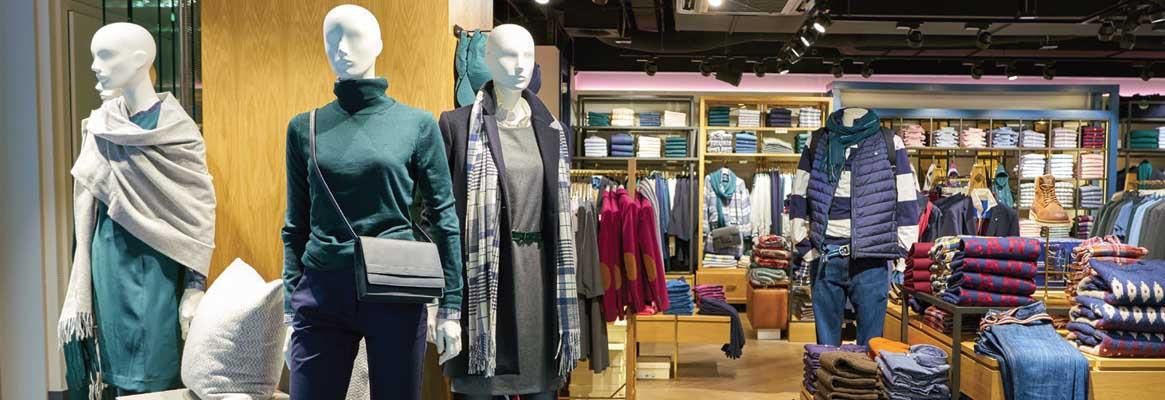
As citizens start seeing global warming as an existential threat, governments are being pushed to take action, or at least seem to be taking action. For the garment industry, the European Union has made the first move by announcing that all clothing sold
2024-11-04read more >
Design plays a significant role in the transition to a circular economy. Circular economy can only be achieved when we start redesigning everything, ranging from products to business models, and from cities to lifestyles. The design strategies aimed at mo
2024-11-04read more >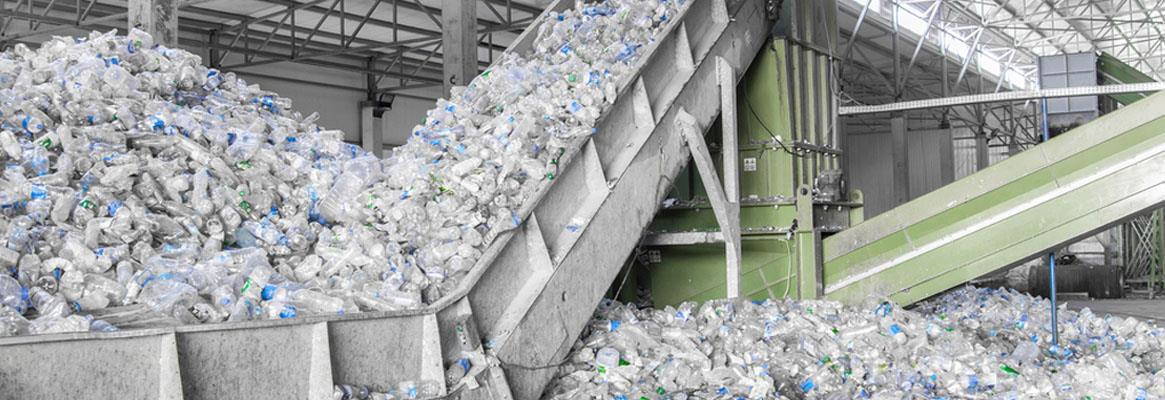
Recycling of PET bottles enables the conservation of natural sources, reduces greenhouse gas emissions, lowers the carbon footprint, and creates new business opportunities. Therefore, recycling of PET bottles is considered the best option to economically
2024-11-04read more >
To date, there is no international law regulating microfibre release from textile products. Microfibre pollution is raising international concern about the volumes of synthetic garments that are made by many retailers and brands. The problem has various s
2024-11-04read more >
Some of the standard and longstanding practices are the use of old clothes for a newborn child. These fabrics are comparatively soft, free from surface finishes, readily available and low in cost. Soft cotton clothes and sarees are also excellent substitu
2024-11-04read more >
The Indian organic cotton industry is in danger as doubts are cast whether the cotton sold as organic in India is actually organic. APEDAs own traceability service Tracenet falls short of ensuring that the natural fibre is 100 per cent organic. However, D
2024-11-04read more >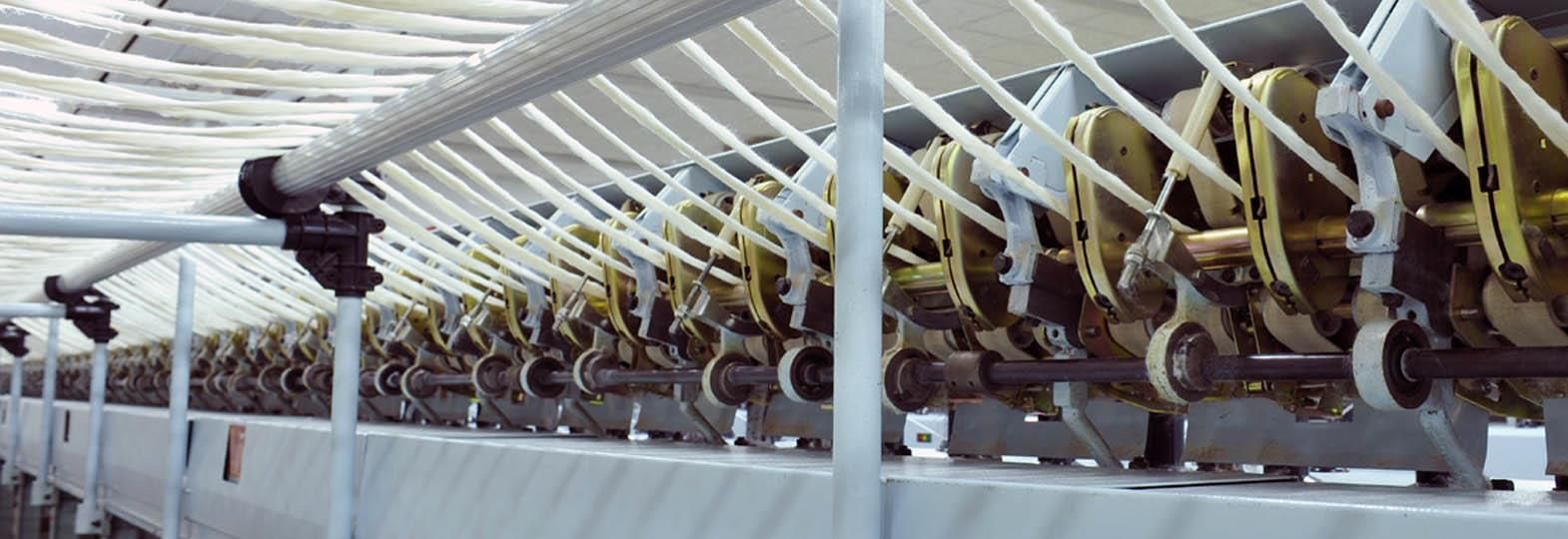
Textiles is a power intensive industry, particularly when moving upstream to openend spinning. While increased electricity rates will reduce profits for exporting countries, their dependence on coal or any other fossil fuel as the motive power will be see
2024-11-04read more >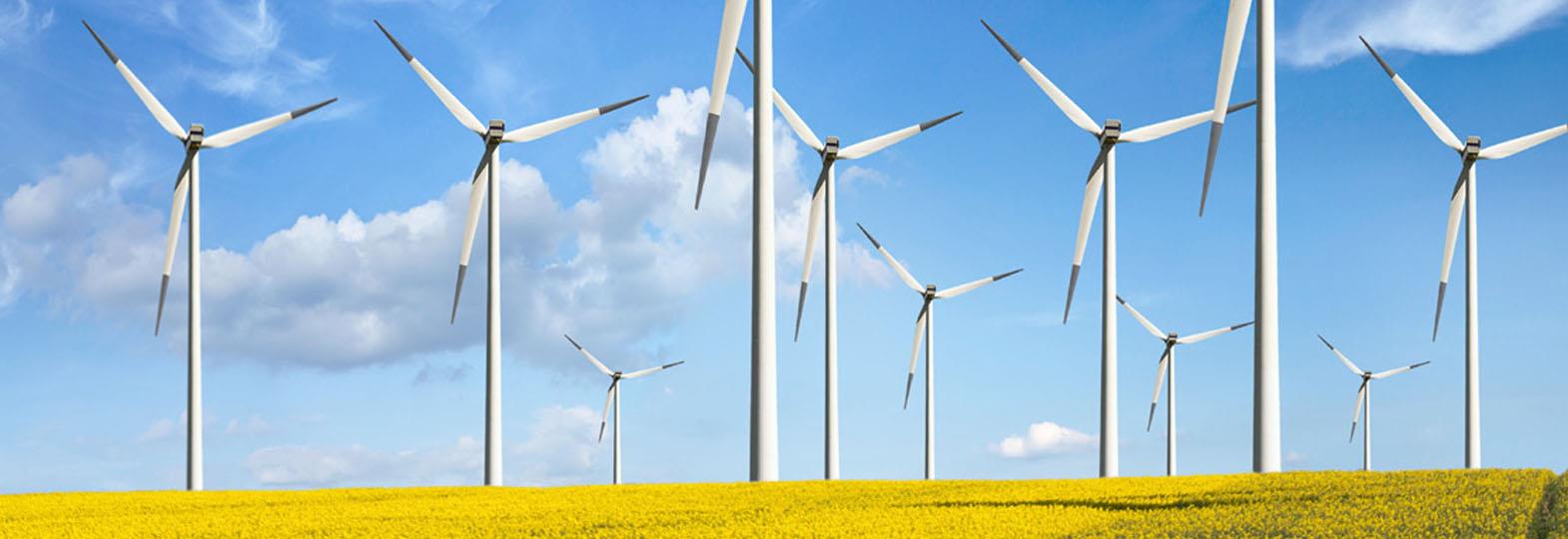
The textile industrys energy intensive manufacturing processes produce large amounts of greenhouse gas emissions. Transitioning to renewable energy is crucial for the industry to reduce its carbon footprint and move away from its dependence on fossil fuel
2024-11-04read more >
Global economy survives on supply chains which, in turn, consume substantial amount of energy. The nonrenewable resources used for production of energy are diminishing owing to various reasons, threatening survival of supply chains like never before. The
2024-11-04read more >
The improvement of a nations economy can be greatly aided by conventional energy sources, but the negative environmental effects is forcing the governments and people to use them in moderation, thereby shifting the focus to renewable energy sources. At pr
2024-11-04read more >
Between rising inflation, continuing globalisation and the introduction of new business models, change is the only universal factor that the textile and fashion industry will witness in 2023. This article explores ten of the factors that will play key rol
2024-11-04read more >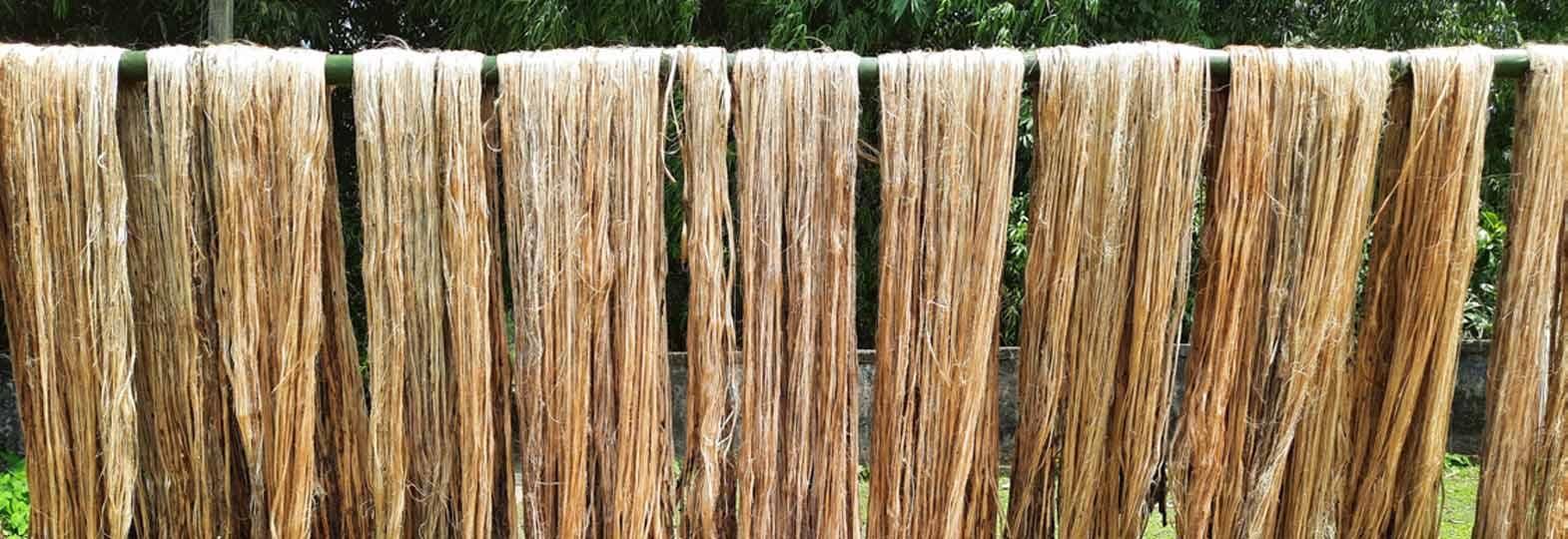
For the last century, synthetic fibres have taken over the home textile market. However, aligned with the global movement towards sustainability there will be likely adoption of natural and sustainably sourced fibres. Moreover, conscious consumerism, tran
2024-11-04read more >
The GI certification has played a crucial role in promoting traditional skills and techniques used in Odisha handlooms. The GI tag provides a unique identity to these products, making them more recognisable and marketable. This has encouraged young artisa
2024-11-04read more >_Big.jpg)
Data science is revolutionising the textile industry by optimising maintenance, quality control, supply chain, design, energy consumption, and customer analysis, leading to improved operations, product quality, and sustainability. By embracing datadriven
2024-11-04read more >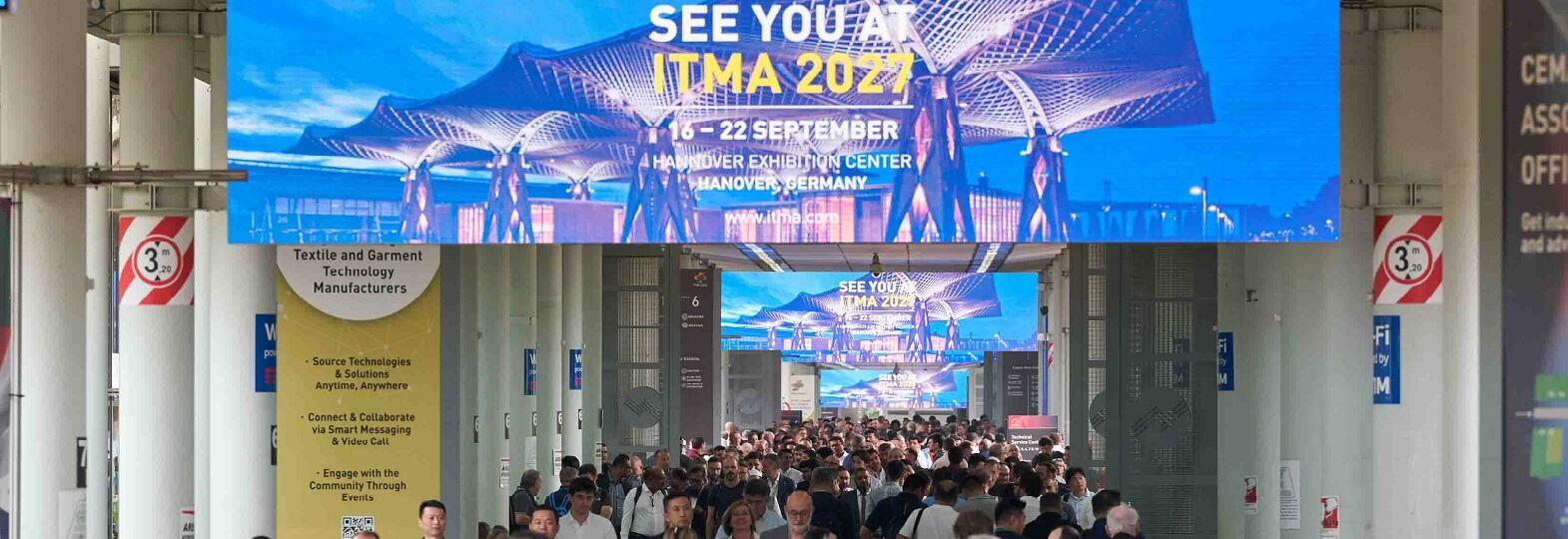
ITMA 2023 in Milan showcased future trends in the textile industry, highlighting digital automation and sustainable production. The event focused on Advanced Materials, Automation the Digital Future, Innovative Technologies, and Sustainability Circulari
2024-11-04read more >
Conventional fabrics, in their production and disposal, have historically been sources of environmental degradation. However, there is a ray of hope emerging in the form of sustainable fabrics. As these sustainable materials become more prevalent, they co
2024-11-04read more >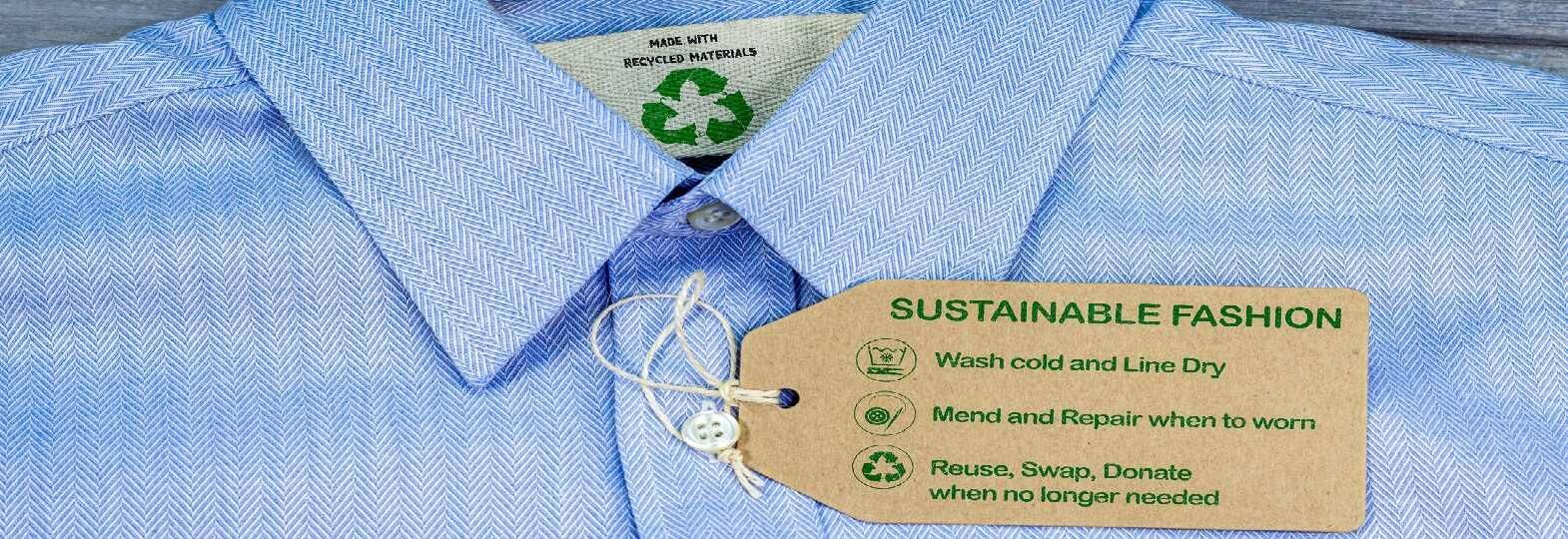
The textile industry is embracing sustainability with India playing a crucial role in sustainable sourcing. By adopting sustainable materials and processes, the industry can mitigate its environmental impact and contribute to a better future. Continued co
2024-11-04read more >_Big.jpg)
Textile dyes pose environmental and health risks due to hazardous chemicals and improper disposal. Their production and use contribute to water pollution, resource depletion, and potential harm to both workers and consumers. Various sustainable alternativ
2024-11-04read more >
The fashion industrys sustainable trends mark a turning point towards a more ecoconscious future. Regenerative fabrics, circular initiatives, transparency, and digital solutions are reshaping fashion. By collaborating with conscious consumers and embracin
2024-11-04read more >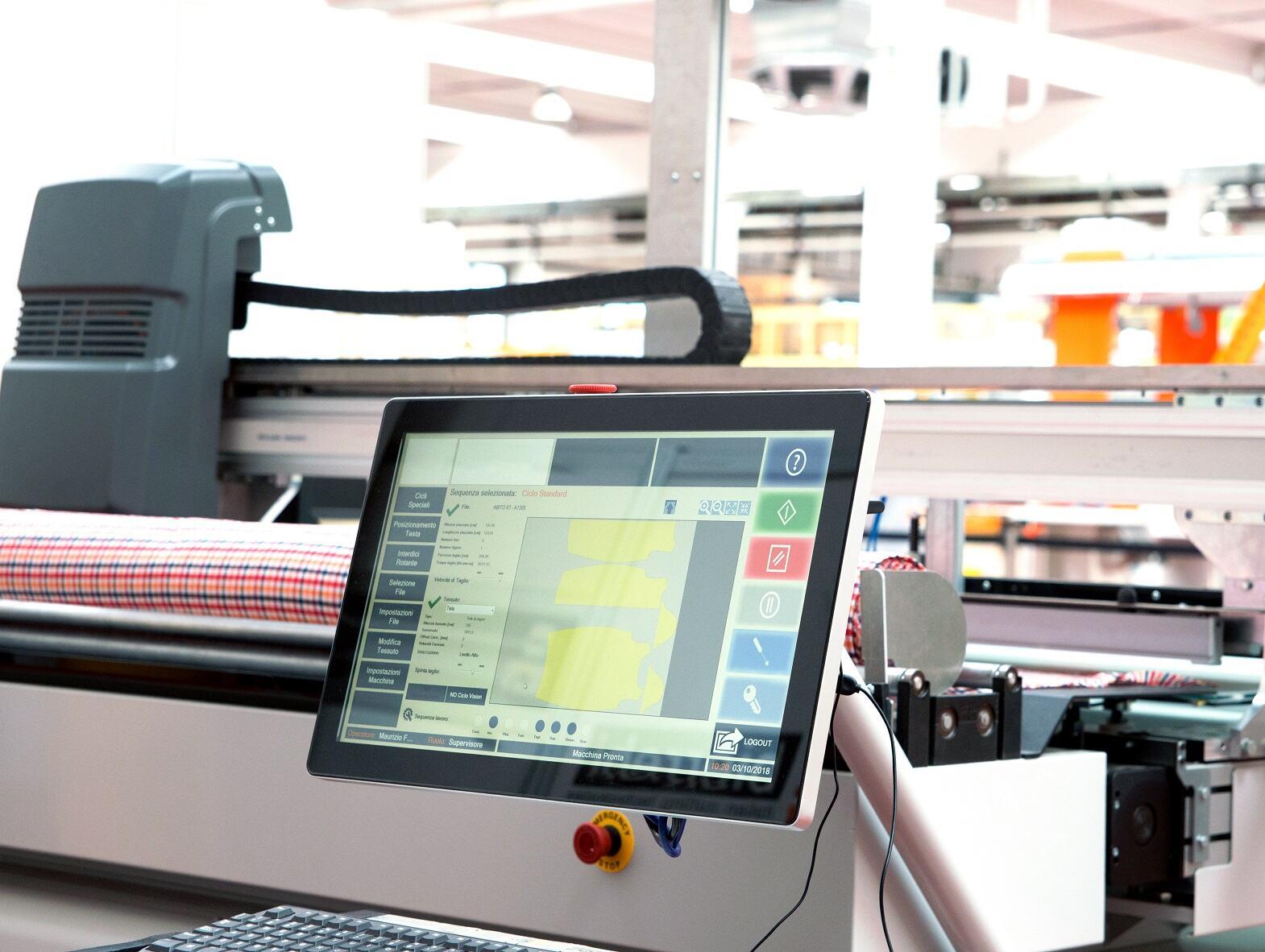
Garment manufacturing evolved from manual to automated processes during the industrial revolution, now addressing sustainability and ethics through efficiency, energy conservation, transparency, and worker safety. Despite job displacement concerns, respon
2024-11-04read more >_Big.jpg)
Vegan leathers popularity is driven by environmental concerns, yet its sustainability varies. While options like plantbased and recycled materials exist, plasticbased versions can harm the environment. Brands aim to balance Ecofriendliness and quality, bu
2024-11-04read more >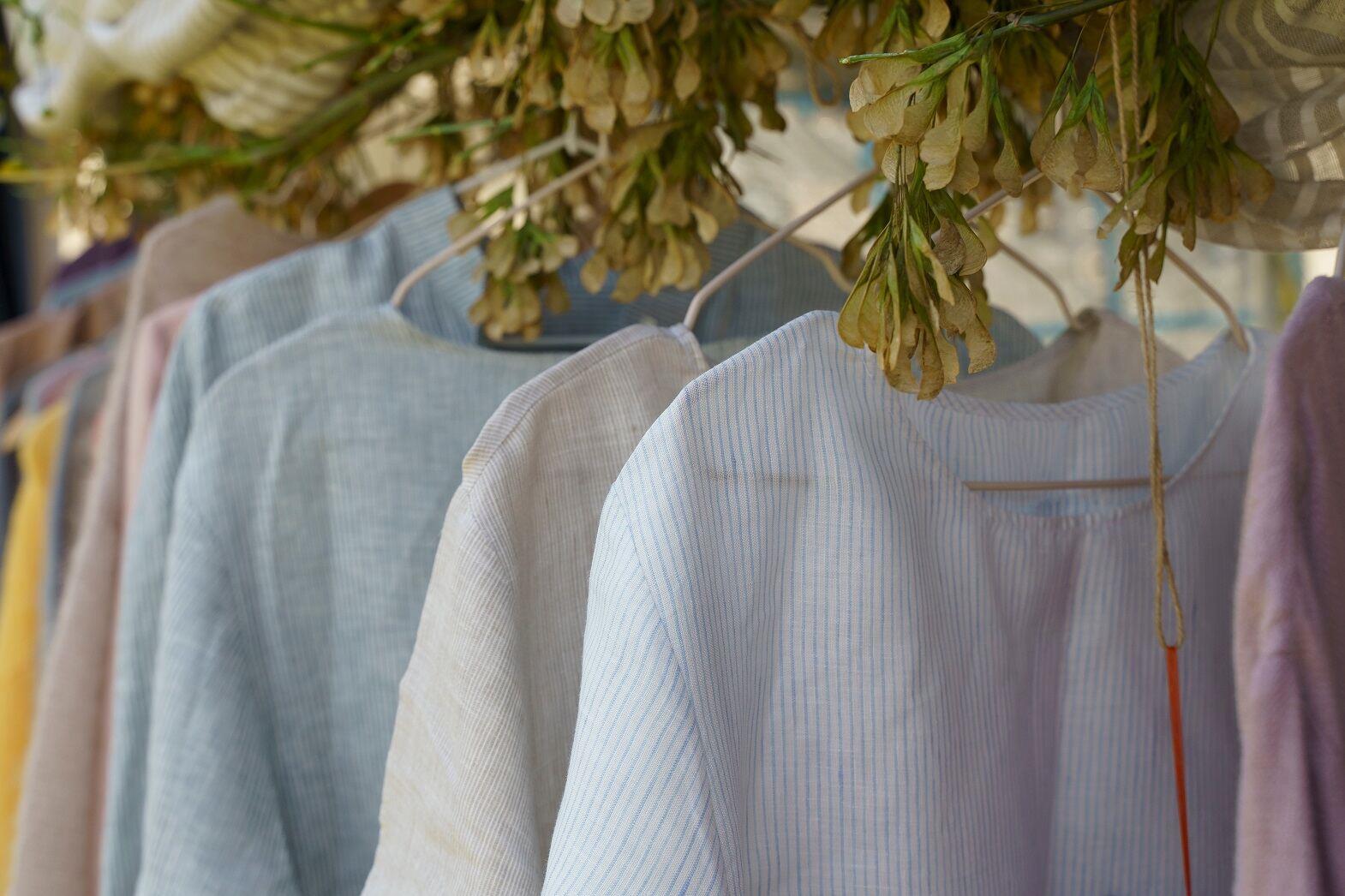
Rising interest in organic fabrics reflects a drive towards healthier living and sustainable fashion. These fabrics offer a blend of style, comfort, and ecoconsciousness. Fabrics made of hemp, bamboo, and linen bypass harmful chemicals, conserve resources
2024-11-04read more >_Big.jpg)
Incorporating as much recycled content as possible into fibre blends is the latest challenge facing yarn spinners. It is not easy, but it must be done. This article takes through the heart of Scandinavia, offering a glimpse into the concerted effortswhich
2024-11-04read more >
In contemporary India, sustainability has become a guiding principle in lifestyle and consumer choices. This shift is evident in the realm of home dcor, where ecoconsciousness and style harmoniously coexist. This article explores how small, thoughtful cho
2024-11-04read more >Copyright © 2024 SBS Corporation All Rights Reserved.