
Indias diverse textile industry plays a pivotal role in the countrys economy, contributing significantly to industrial output and exports. While poised for impressive growth, it faces sustainability challenges. This article explores the industrys dynamics
2024-11-04read more >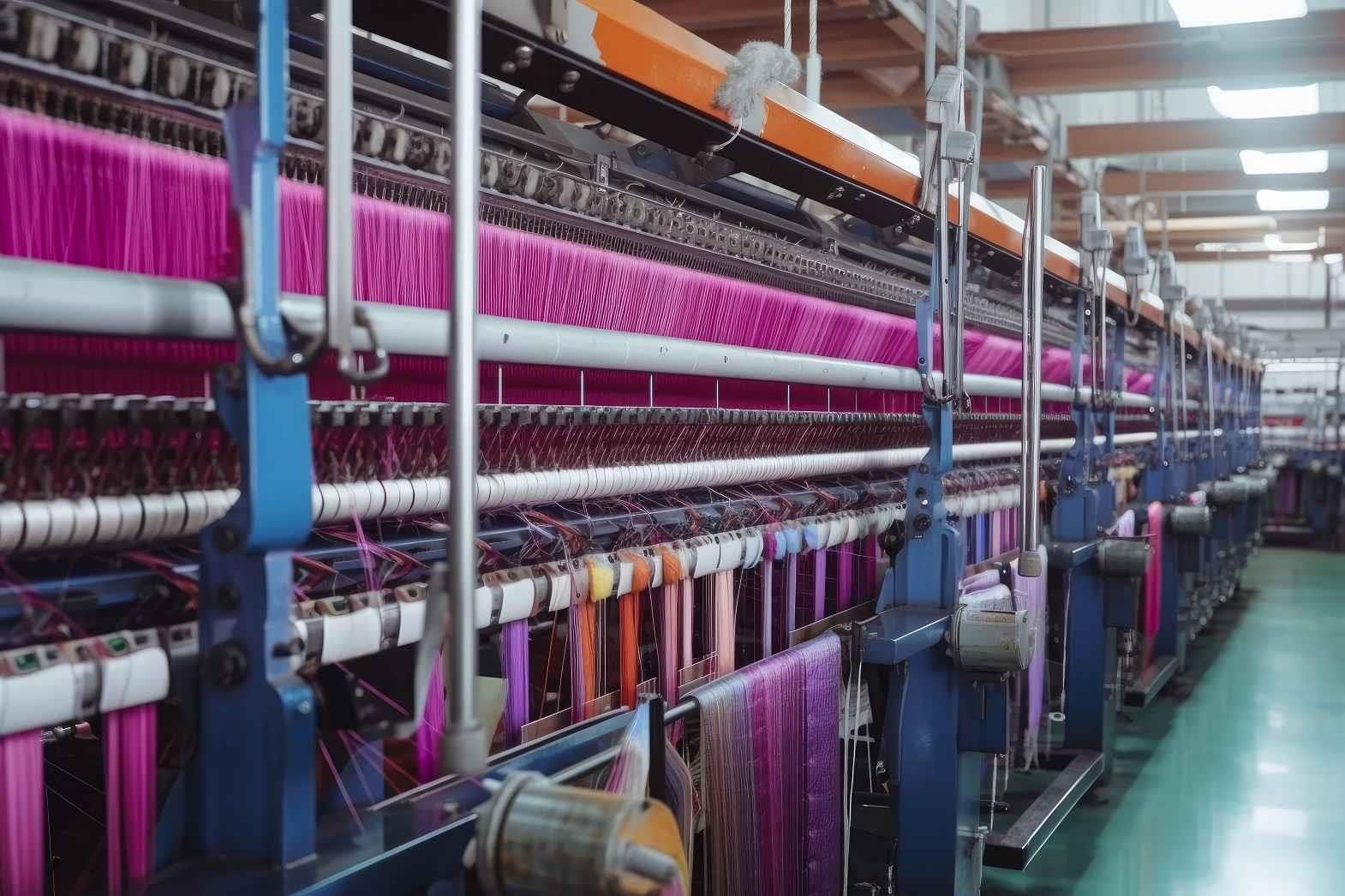
The Indian textile industry, vital for the countrys economy, is grappling with environmental concerns and the need for sustainability. As India strives for selfreliance and global growth, the industry must adopt ecofriendly practices, such as waterefficie
2024-11-04read more >_Big.jpg)
The textile industry is in the midst of a sustainability revolution, where healing fibres take centre stage. These fibres, linked to human health through their distinct frequencies, stand in contrast to death fibres that pose environmental and health thre
2024-11-04read more >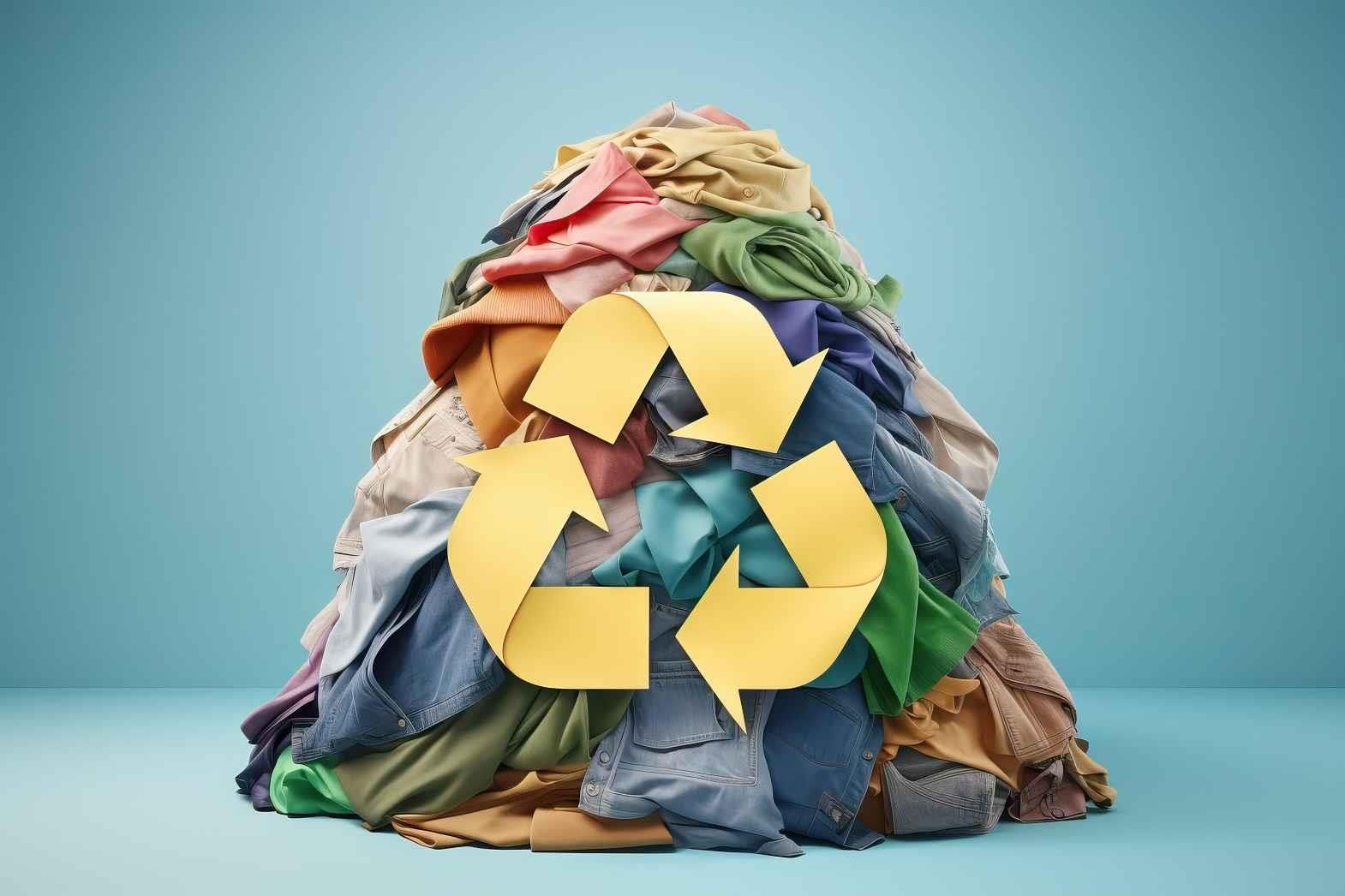
As the fashion industry grapples with its environmental footprint, cuttingedge recycling technologies are stepping in to transform postconsumer textile recycling. These advances are pivotal in steering the sector towards a more sustainable future, offerin
2024-11-04read more >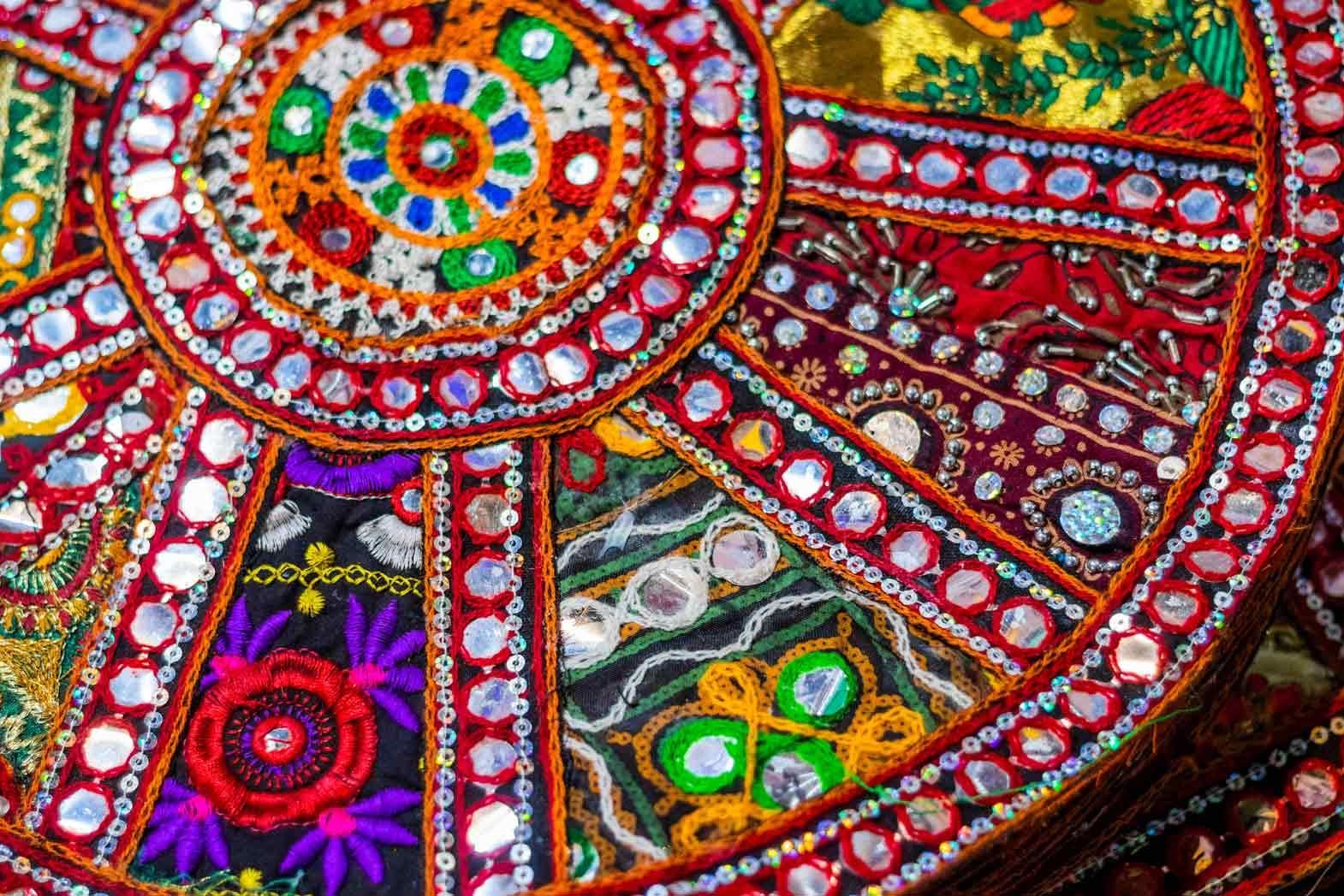
Sustainable textile practices are revolutionising global fashion, focusing on environmental stewardship, social justice, and economic fairness. Emphasising local craftsmanship, these practices preserve cultural heritage, ensure fair labour wages, and redu
2024-11-04read more >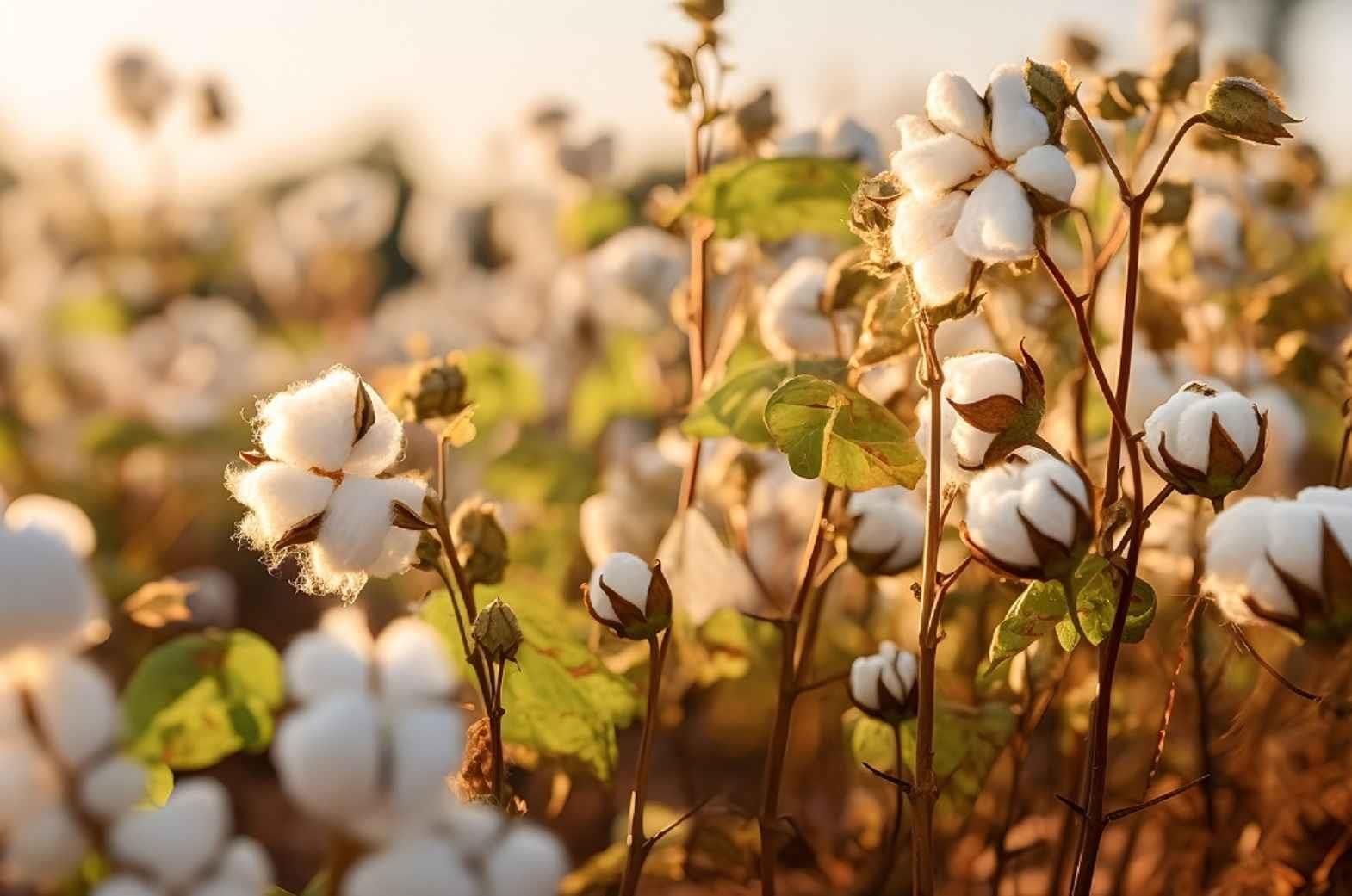
Organic cotton cultivation in India has emerged as a transformative practice, revolutionising the sustainability landscape of the textile industry. Through proactive site selection, varietal choices, and innovative farming techniques, the country has witn
2024-11-04read more >
Bamboo, touted as an ecofriendly textile source, encounters processing issues with chemicals. Indian initiatives like National Bamboo Mission support fabric production, while certifications FSC, VCS, OEKOTEX ensure ecofriendly processing. Despite challeng
2024-11-04read more >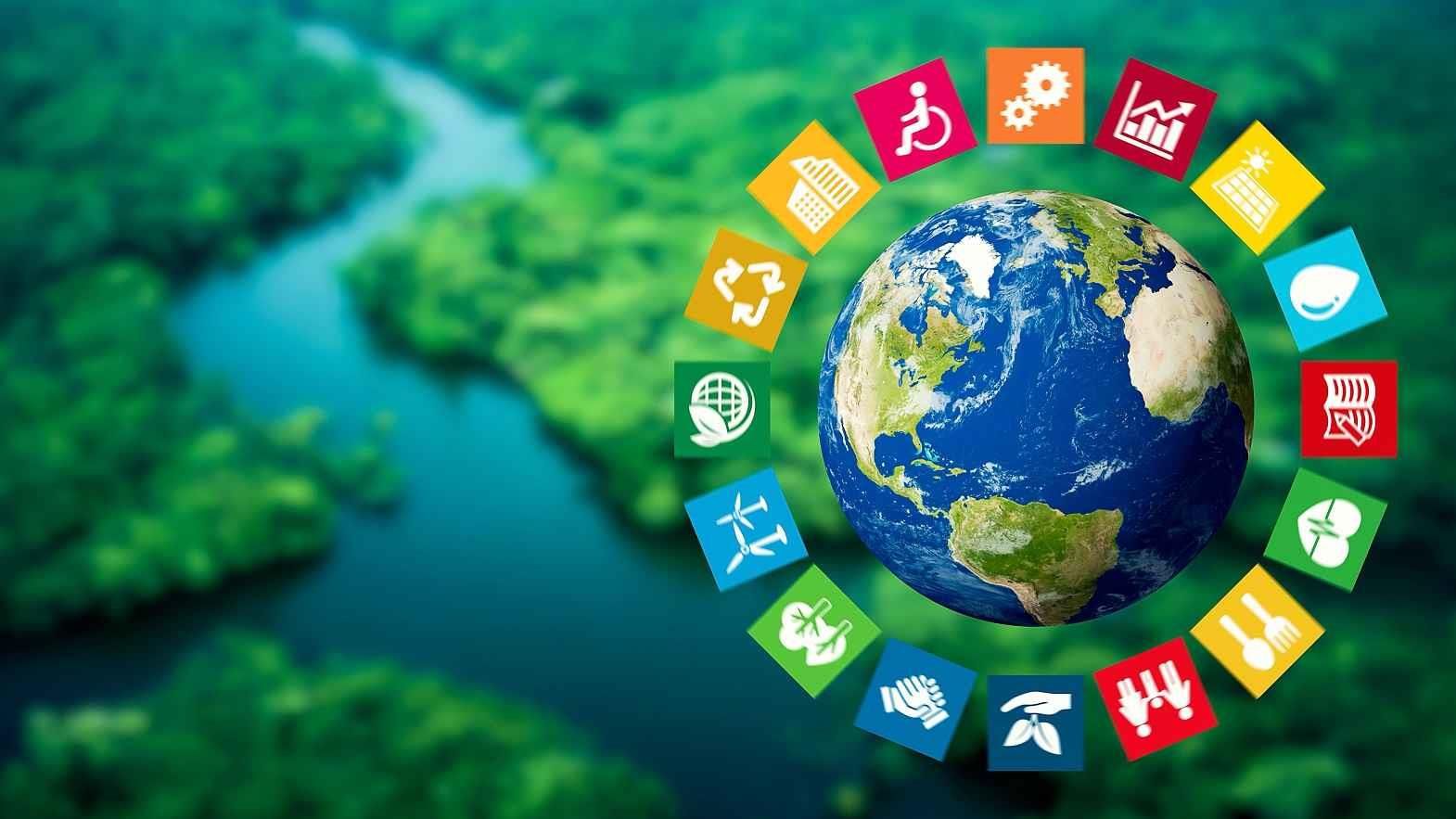
The textile industry, through circularity, aligns with UN SDGs like clean water, sustainable cities, responsible consumption, climate action, and biodiversity preservation. Embracing circular practices fosters ethical production and contributes to a susta
2024-11-04read more >
Manmade cellulose fibre production is witnessing a global surge propelled by sustainability concerns, technological advancements, and diverse applications. From textiles to automotive, its versatility is revolutionizing industries. With innovations like t
2024-11-04read more > (1)_Big.jpg)
The global viscose industry is driven by key players spanning from Indonesia to Italy, each contributing significantly to the production and supply of viscose fibers. Delving into the unique strengths and contributions of these players, highlighting their
2024-11-04read more >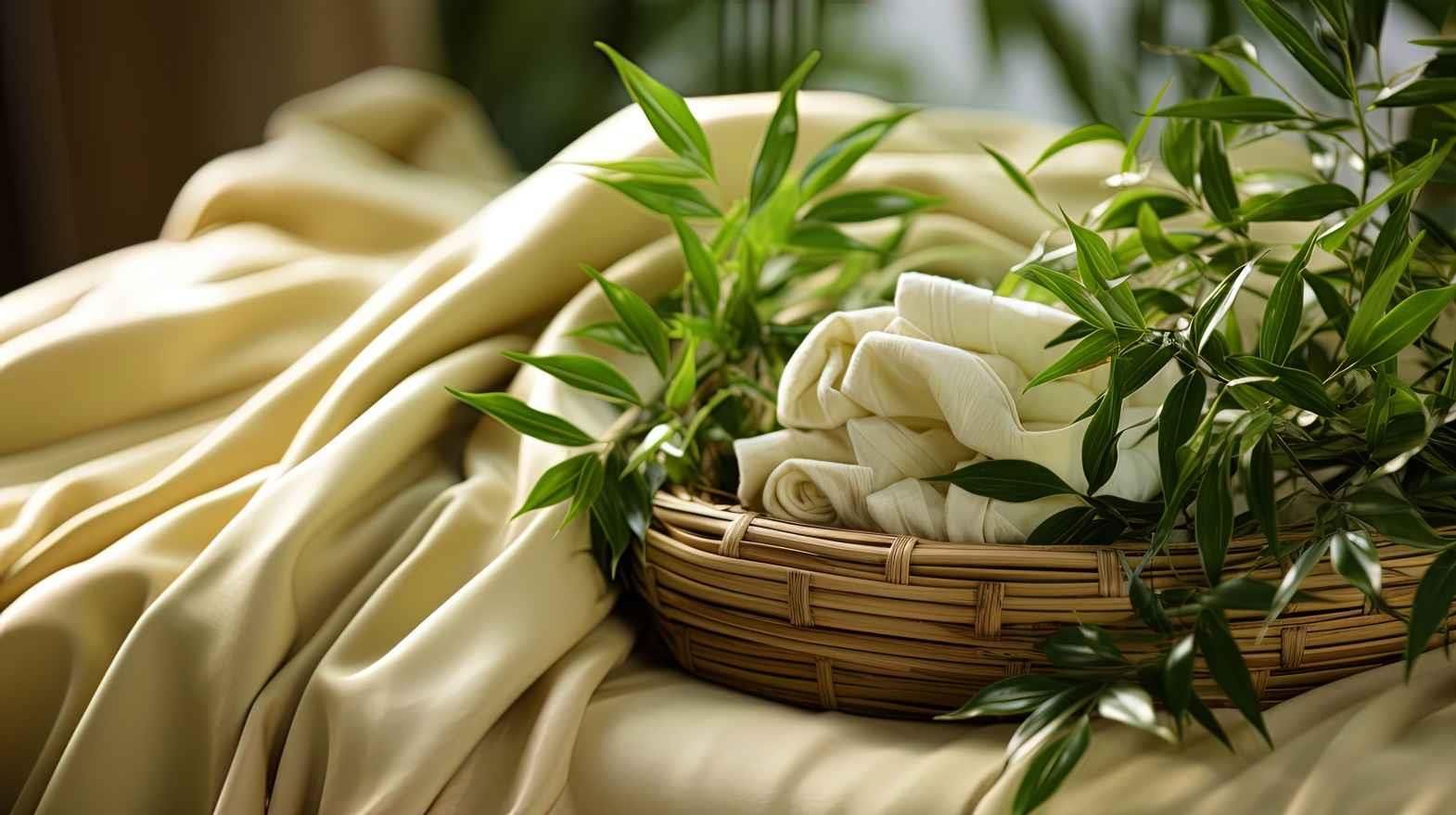
The production and export of viscose cellulose present complex challenges amidst growing demands for sustainability. Environmental concerns, economic implications, and market competition shape the landscape of this vital sector. Collaboration, innovation,
2024-11-04read more >
The Asia Pacific textile industry is shifting towards sustainability due to global demands. Key initiatives include partnerships for sustainable practices and compliance with industry regulations. Challenges remain in implementing circularity principles a
2024-11-04read more >
This article discusses the environmental impact of the fashion industry and the need for sustainability, highlighting the pollution and resource use involved. It suggests that businesses must adapt their strategies comprehensively, considering functional,
2024-11-04read more >
Jute is emerging from its traditional utility roles to claim a spot in sustainable and stylish design. Designers and labels are crucial in this shift, promoting jute through their commitment to ecofriendly production and ethical practices. Their efforts a
2024-11-04read more >_Big.jpg)
In an industry increasingly focused on sustainability, thrifting has emerged as a significant trend, offering consumers a way to express their style while prioritising ethical and environmental values. This article explores the rise of thrifting as a powe
2024-11-04read more >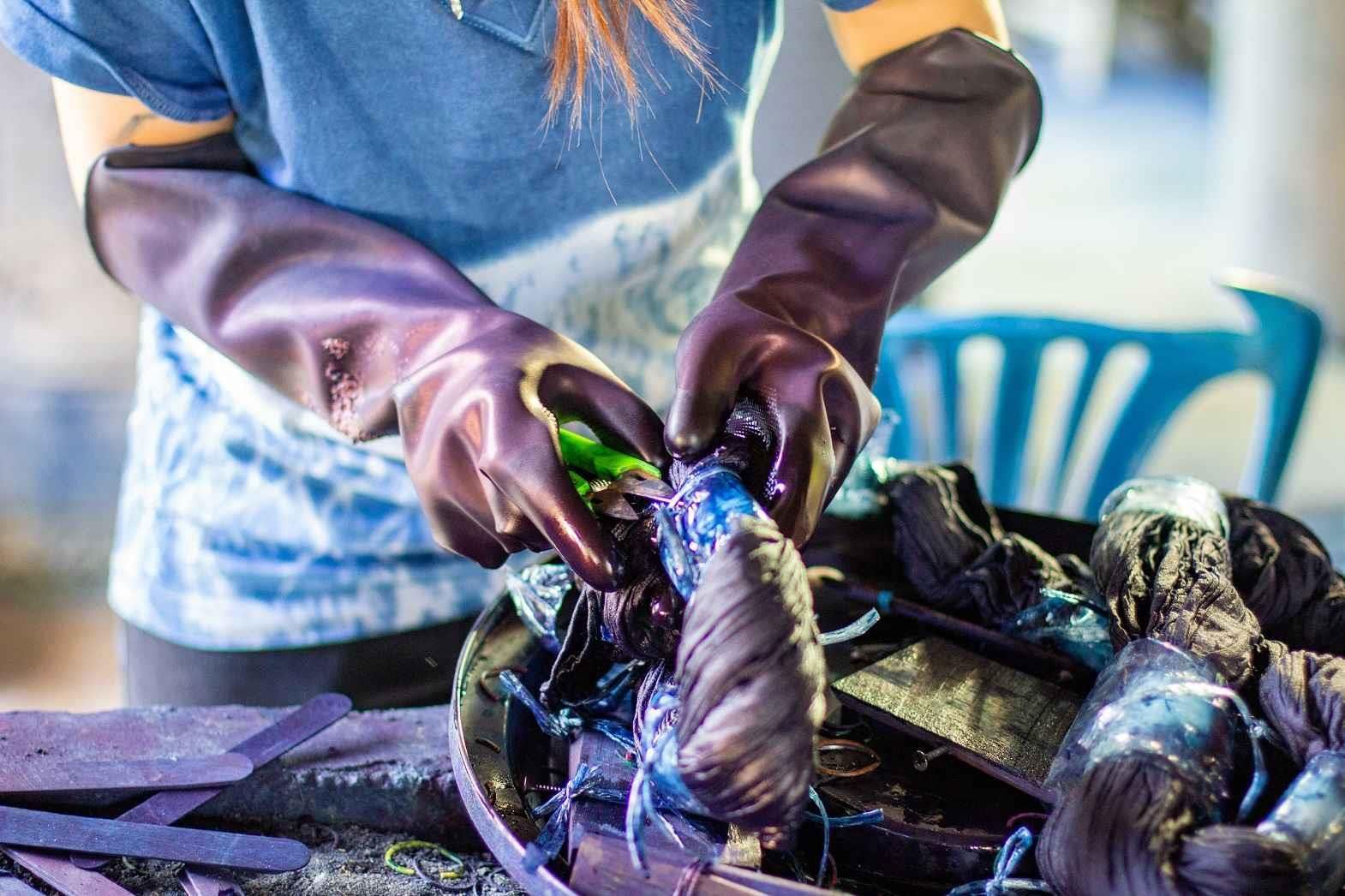
The textile dyeing industry, known for bringing vibrant colours to fabrics, harbours significant health and environmental hazards. This article delves into the multifaceted issues posed by the dyeing sector, examining its impact on human health and the en
2024-11-04read more >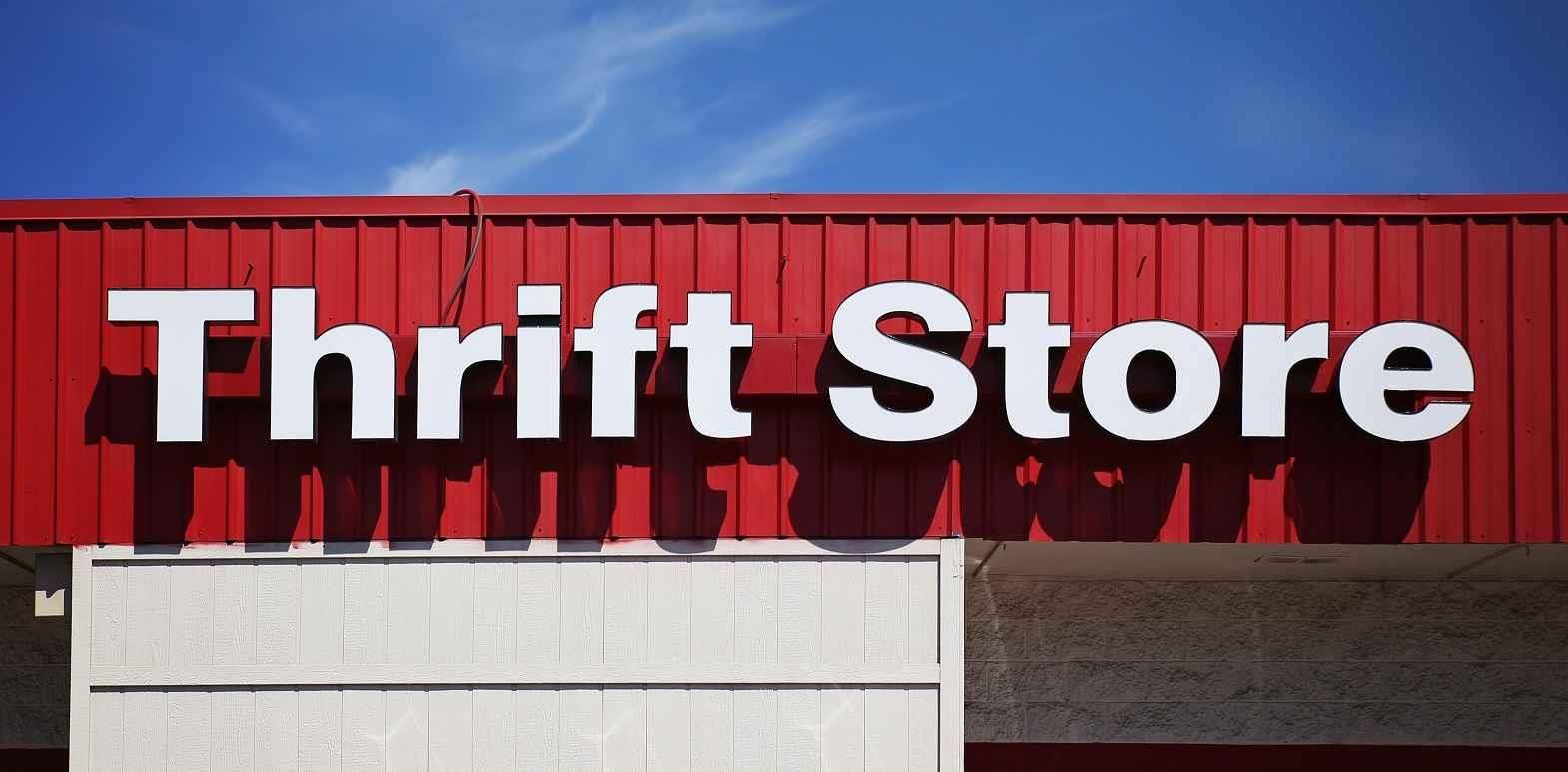
Thrifting is a timeless and sustainable alternative to fast fashion, celebrating individuality, creativity, and environmental consciousness. It offers a unique fashion experience by unearthing vintage pieces with stories to tell, reducing waste, and promo
2024-11-04read more >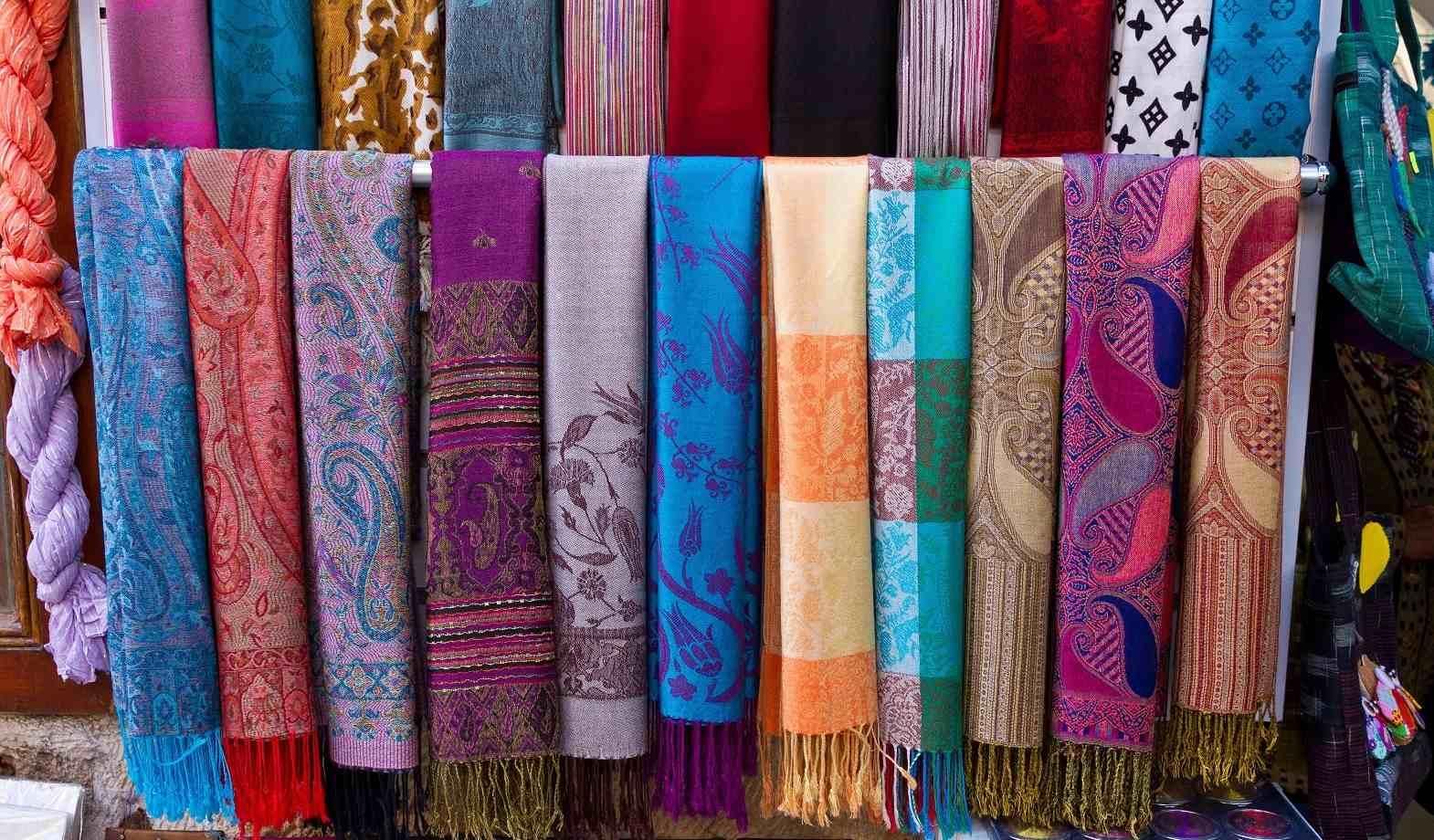
Ladakhs Pashmina industry, renowned for its luxurious wool, faces significant economic and environmental challenges. The Changpas, nomadic pastoralists, are struggling with hardships and climaterelated threats. Preserving this craft needs government suppo
2024-11-04read more >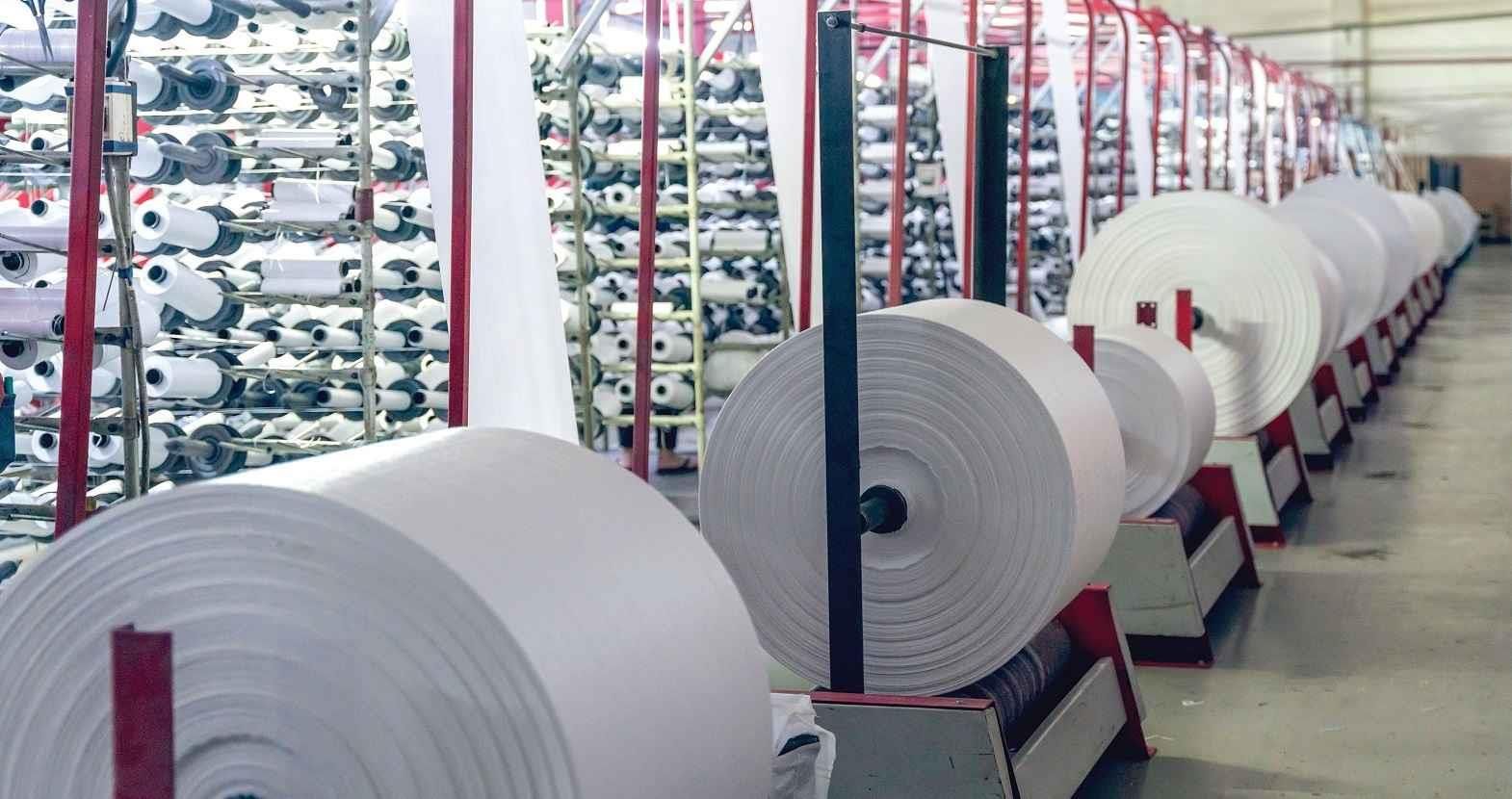
As the EUs closest nearshore partner, Trkiye is ideally positioned to lead the field in converting fibretofibre recycled materials into new products. This transformation is already underway, and it is no surprise that numerous European machine makers are
2024-11-04read more >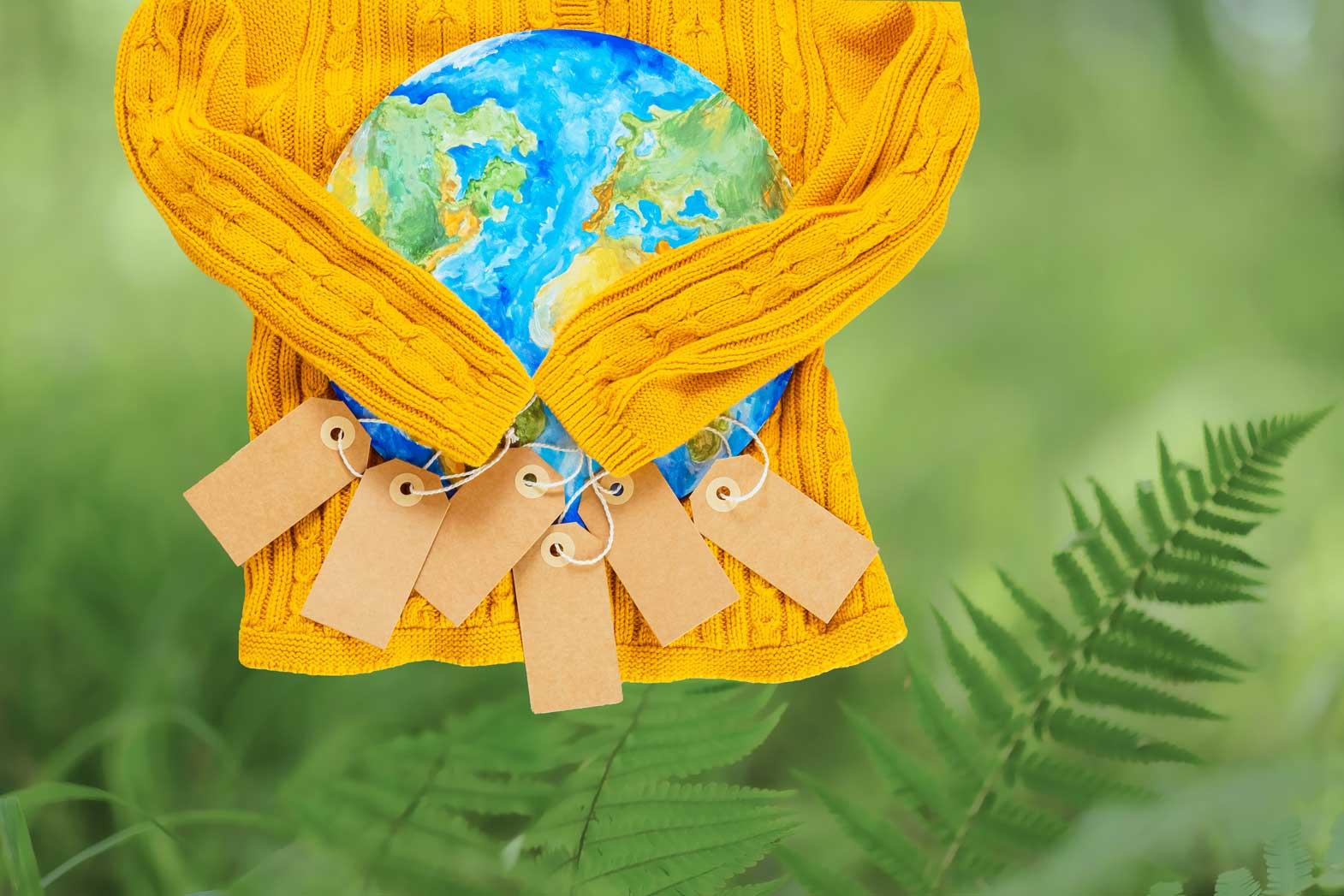
The fashion industry is being revolutionised by regenerative fashion, which promotes sustainability through recyclability, biodiversity, watershed improvement, soil enrichment, and carbon emission reduction. This article explores the principles of regener
2024-11-04read more >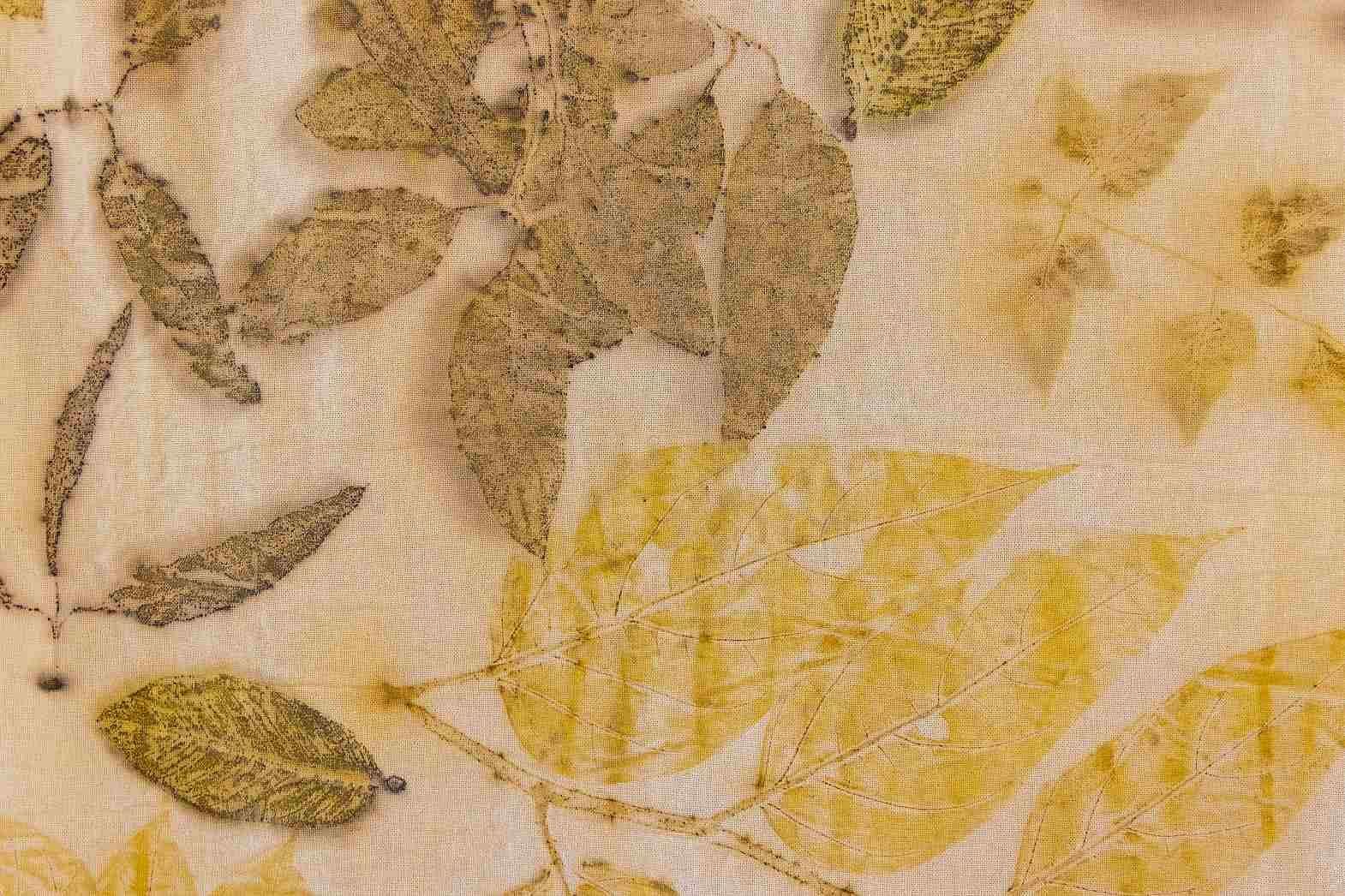
Ecoprinting uses ecofriendly techniques to create unique designs on fabric with organic patterns from plant parts like leaves and flowers. Factors such as fabric and leaf quality, contact duration, and mordant type influence the clarity and vibrancy of pr
2024-11-04read more >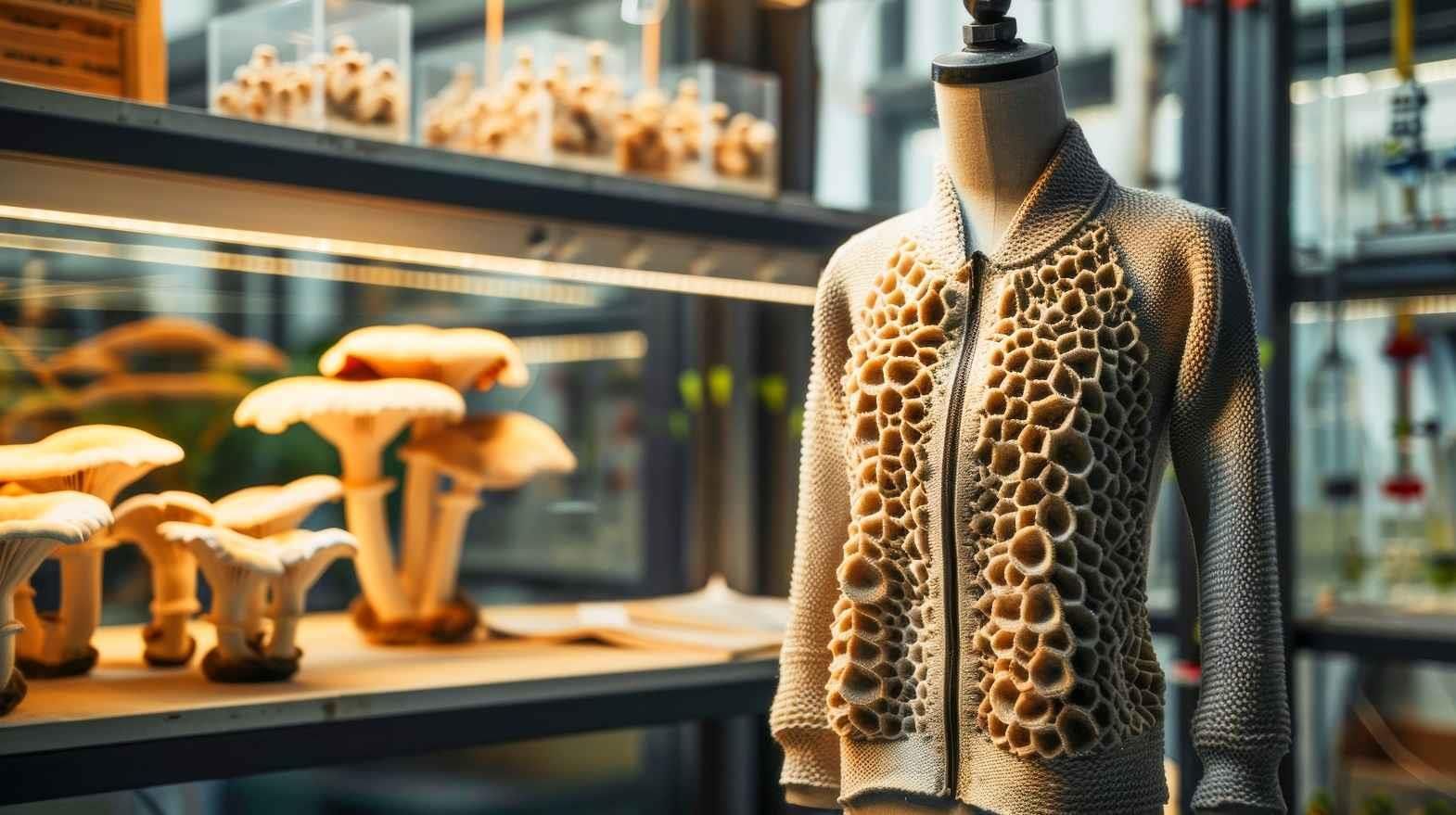
The fashion industry significantly impacts the environment due to resourceintensive production. This study explores using biotechnology to create sustainable textiles from fungi, algae, and organic materials. These biotechnological fabrics offer environme
2024-11-04read more >
Revered for its luxurious texture and sustainability, linen has evolved from a symbol of prestige in medieval Europe to a cornerstone of ecoconscious fashion and home dcor. As of today, this versatile material is not just making a comeback it is leading t
2024-11-04read more >
Climate finance is crucial for reducing emissions, but it faces challenges including scaling up finance, ensuring equity, and mobilising private investment. Key steps forward involve strengthening international cooperation, developing innovative financial
2024-11-04read more >
The fashion industry is shifting towards sustainability with innovative fibres like Mycotex, Piatex, and Orange Fibre, made from materials like mushrooms, pineapple leaves, and citrus waste. These ecofriendly alternatives reduce environmental impact, supp
2024-11-04read more >Copyright © 2024 SBS Corporation All Rights Reserved.