

The term Ultraviolet Protection Factor UPF refers to the amount of ultraviolet UV rays, including UVB and UVA, that may permeate a certain fabric and harm your skin. A UPF 50rated piece of clothing will protect you from 98 per cent of the suns harmful ray
2024-11-04read more >
In the era of huge offers and affordable fashion, very few people think about how exactly we get our hands on the latest styles and trends, that too at the lowest prices in nearby stores or on favourite ecommerce sites without much hassle. Sometimes, appa
2024-11-04read more >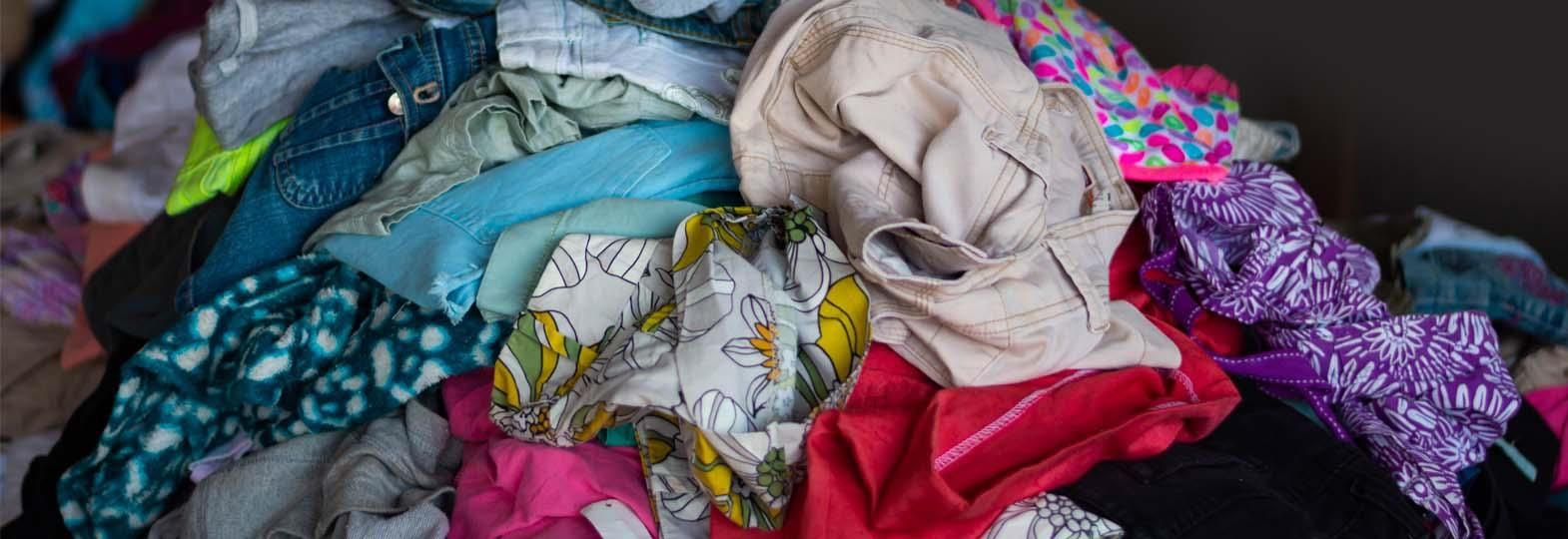
People who have grown up in India remember the Gujarati style saree clad woman, balancing a basket of utensils on her head and a potli of old clothes on her shoulder. However, with the changing times, these women seem to be disappearing into the shadows o
2024-11-04read more >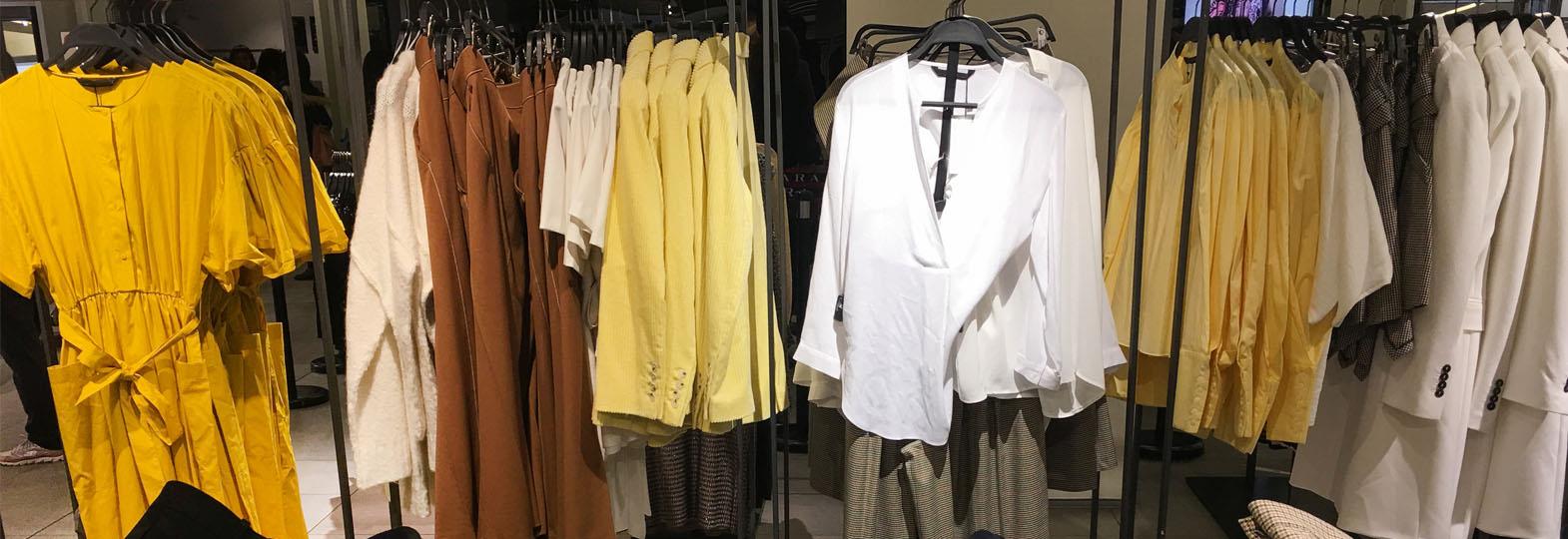
A shift towards newer models like circular and ondemand could not only make the entire industry more sustainable but would also improve overall production quality and customer experience. An ecoconscious consumer will always be on the lookout for consciou
2024-11-04read more >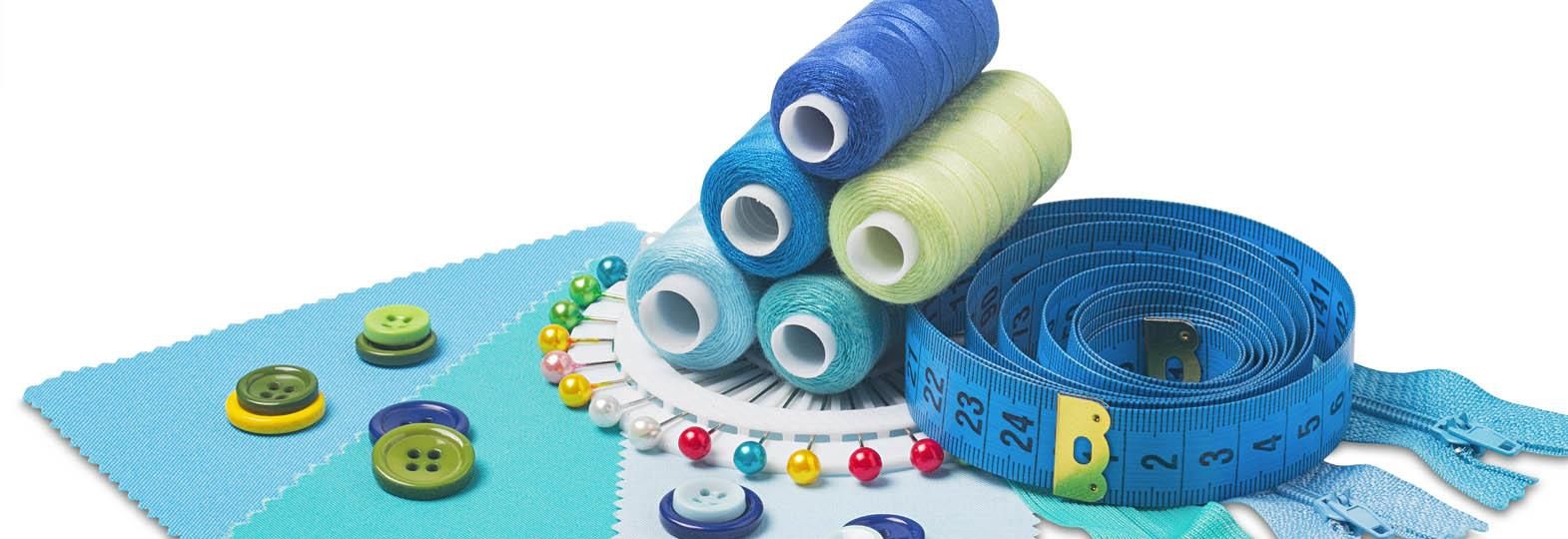
Accessories like buttons and ribbons are critical in the apparel industry and are expected to remain so. However, the way in which they have been utilised so far to make a fashion statement will keep changing with time. But being both functional and trend
2024-11-04read more >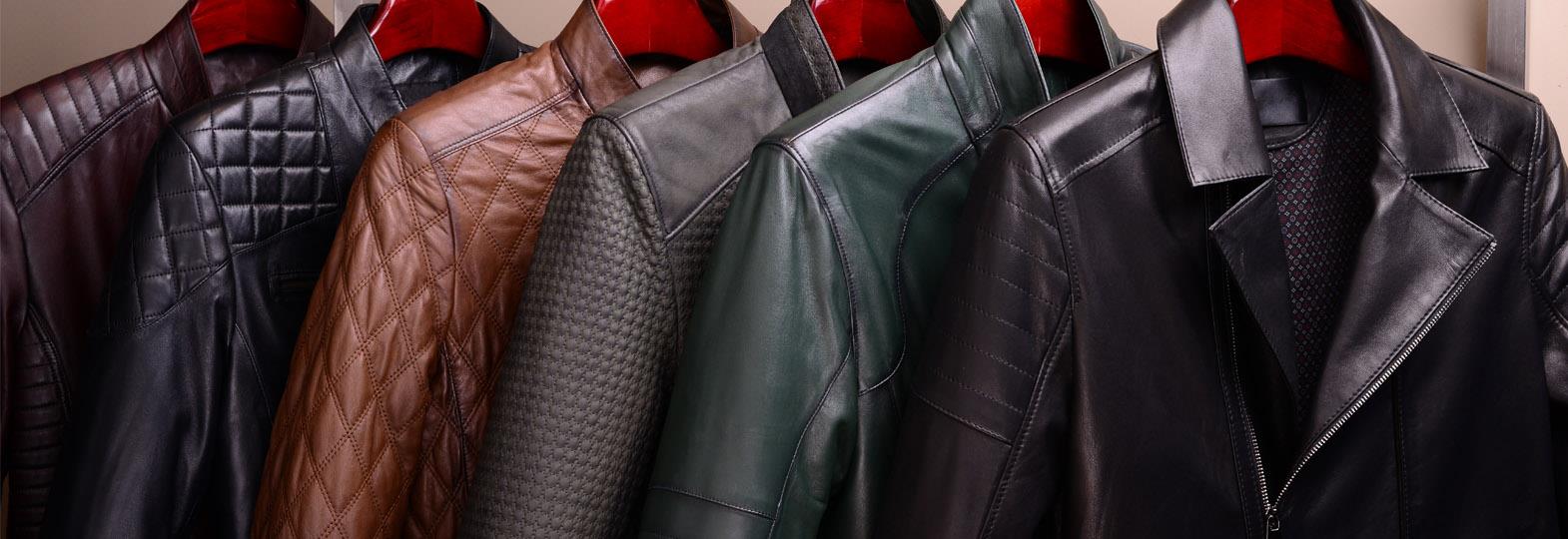
A few items of clothing are considered classic when it comes to luxury fashion, such as the trusty leather jacket. For many years, it has been a status symbol and representation of wealth, and doesnt seem to be losing popularity anytime soon. The truth is
2024-11-04read more >
Textiles and apparel is one of the most globalised industries on Earth. While trends in fashion change over time and people in different locations need different types of clothing, every human needs to have clothing that protects them from the elements. T
2024-11-04read more >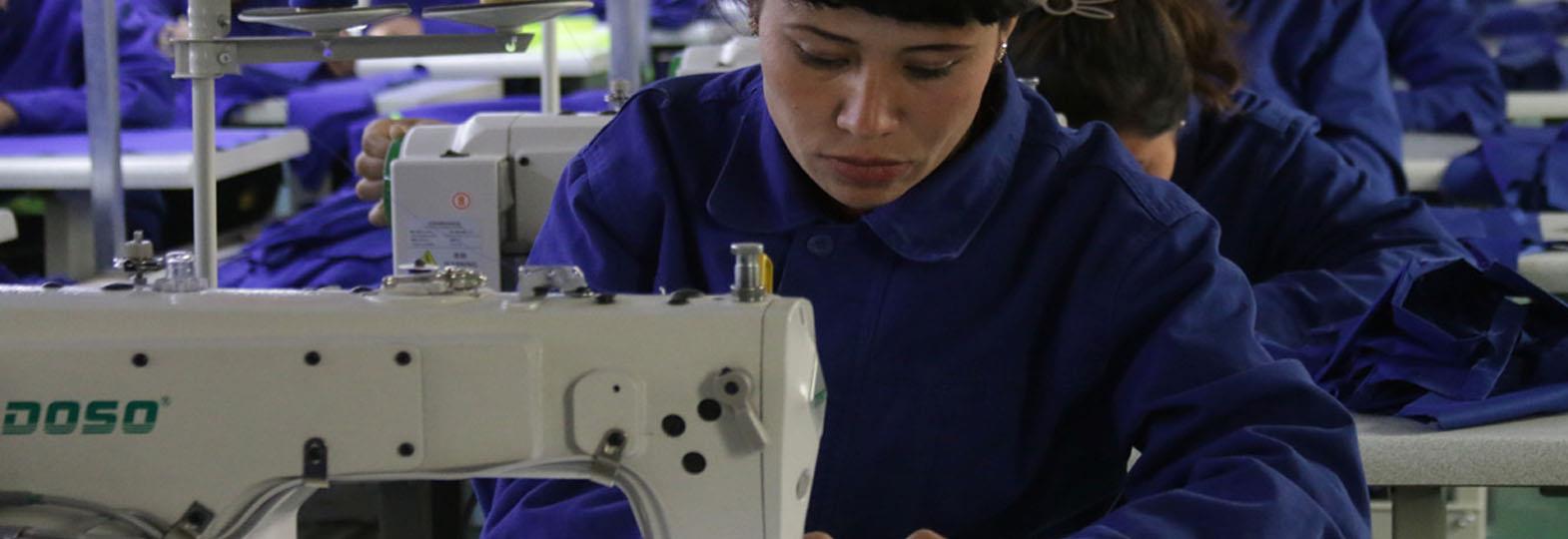
Outsourcing apparel production to people in the global south and ethnic minorities can be done in a way that is not exploitative or oppressive and can benefit people by offering them secure, safe and fair working conditions. This change is happening and i
2024-11-04read more >
The choice of right clothes during pregnancy is very important because they can reduce the amount of discomfort a pregnant woman has to bear, and makes her overall experience of being pregnant easier. Pregnancy places a womans body in a continual physiolo
2024-11-04read more >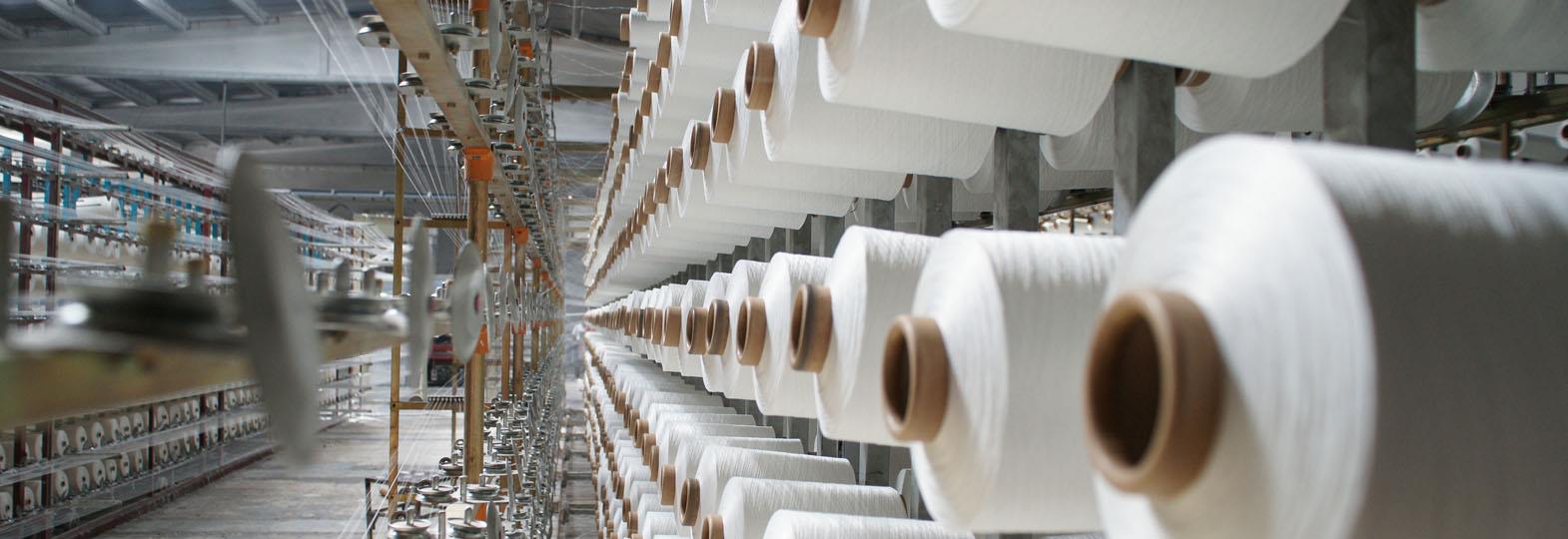
Natural fibres like cotton, wool, bamboo, hemp, and soy are ecofriendly and biodegradable, with lower carbon footprints and reduced water pollution. They are durable and can have safer working conditions. Synthetic fibres have their own benefits but also
2024-11-04read more >
The fashion industry has a significant impact on the environment through resource consumption, waste generation, and pollution. To combat this, brands are adopting sustainable practices, and consumers are changing their behaviours. Initiatives like clothe
2024-11-04read more >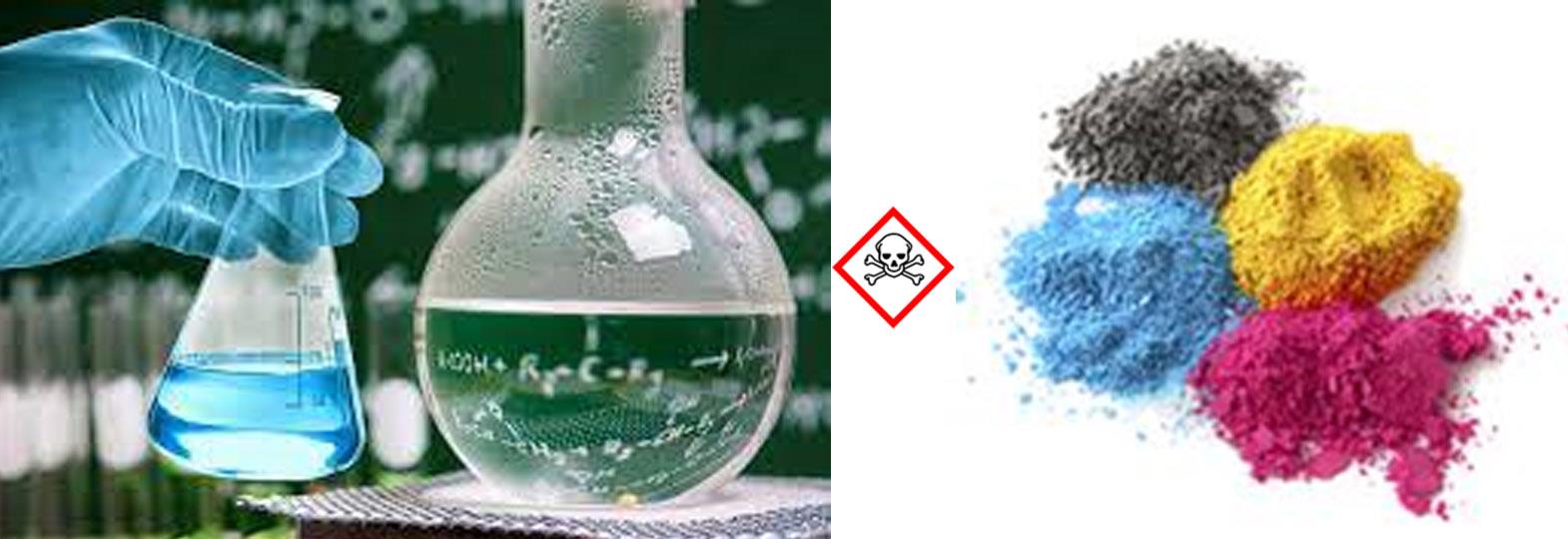
The TSCA requires that certain chemical substances be reported to the Environmental Protection Agency EPA before they are manufactured, imported, or processed. This certification is required for any chemical substance that is being imported into the Unite
2024-11-04read more >
Fabric surface embellishment techniques including bead embroidery, appliqu, buttons, ribbons lace, sequins studs, and embroidered jeans offer endless possibilities to add texture, detail, and unique designs to garments, accessories, and home decor. With
2024-11-04read more >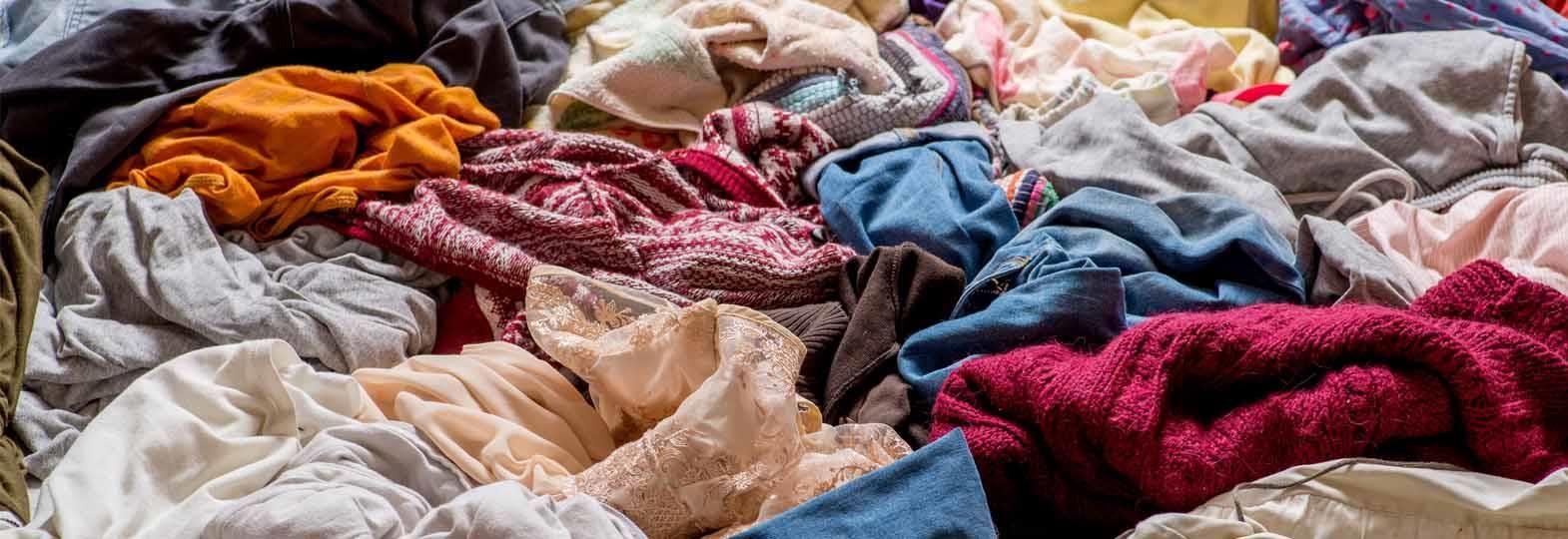
Nowadays people are buying clothes at a pace that is much more than what they need. There are even some clothes that people never wear more than once and later such clothes reach the landfill. It produces greenhouse gases. It is estimated that the textile
2024-11-04read more >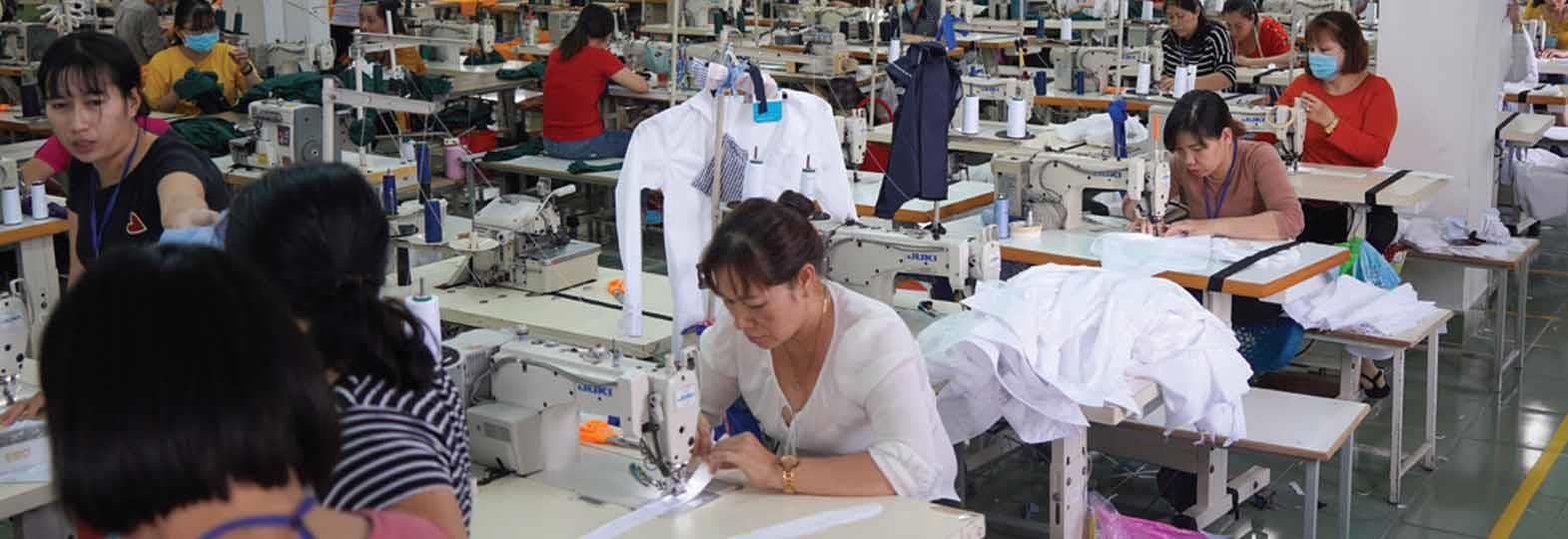
The US is the largest garment importing country, and hence any changes in its imports can seriously impact its major garment supplying countries. This analysis provides an overview of the past events, present situation, and expected changes in the future,
2024-11-04read more >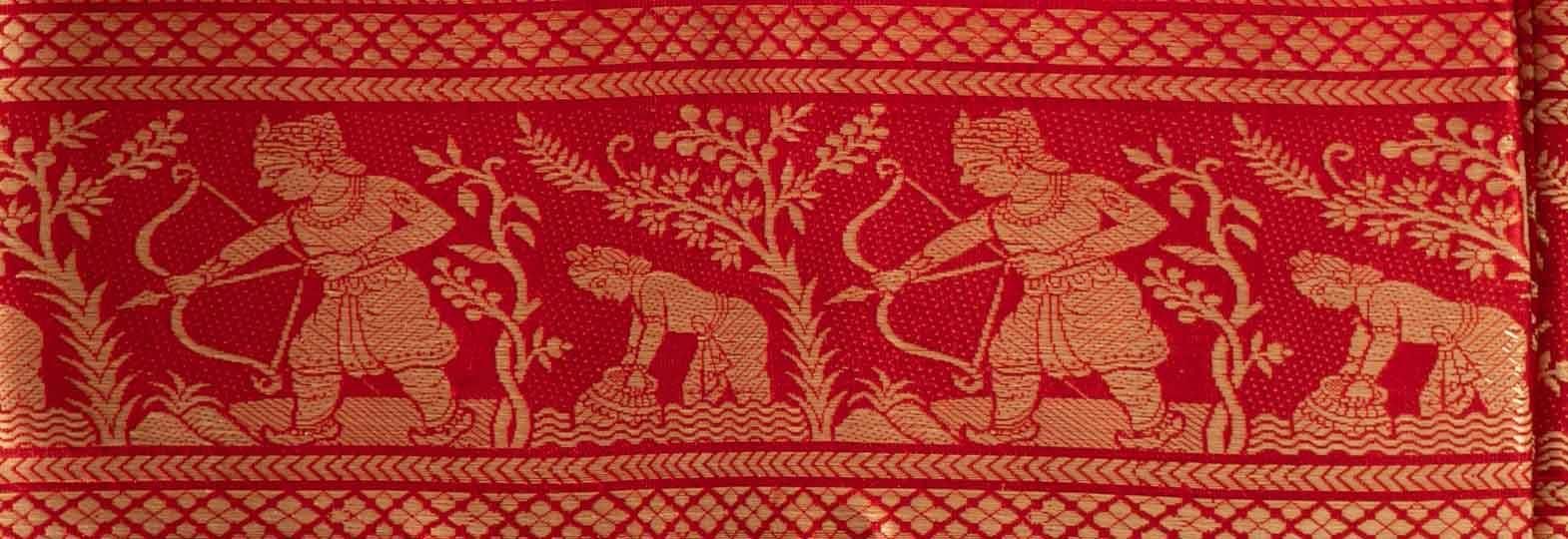
The ancient geographical area of Bengal in India was well known for its dexterity in textiles, due to the abundance and availability of cotton and silk across the region. The range extended from finely weaved jamdani to the high thread count spun cotton m
2024-11-04read more >
In this futuristic scenario, the reality is that in order to sustain in the competitive market of fashion, organisations, brands and individuals, including designers, marketers, creators, artists etc, will have to upgrade and upskill at a very fast pace,
2024-11-04read more >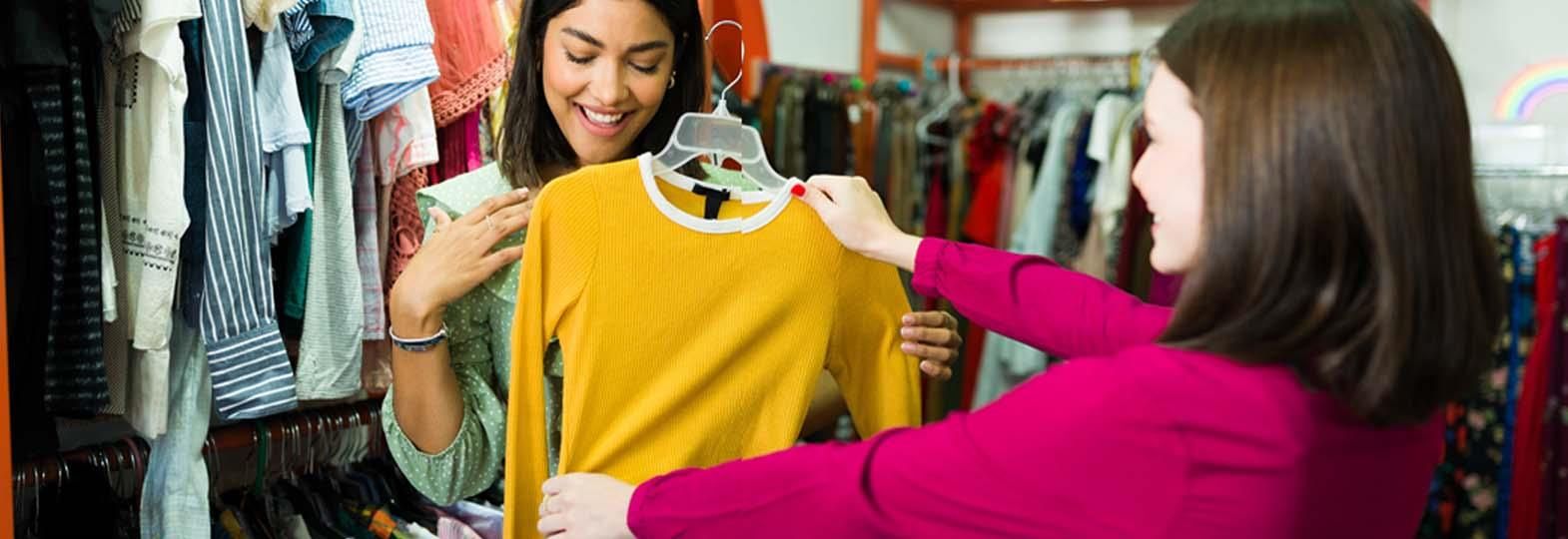
Humanity is living in a unique period, which offers the last opportunity to prevent the worst effects of climate change. However, this unique period of time is brief, and humanity must make the necessary changes at a quick pace to ensure a hospitable plan
2024-11-04read more >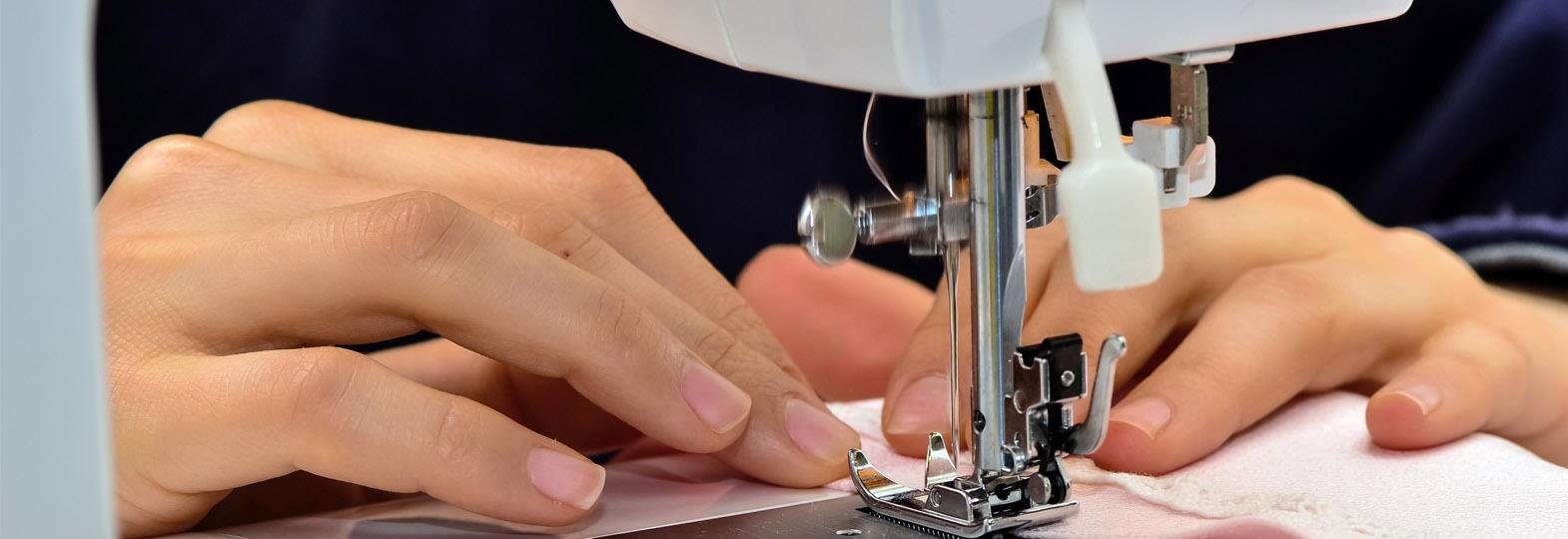
This article discusses how quality control tools can be used in the garment industry to improve the quality of production processes and products. It provides an overview of the different quality control tools available, including control charts, pareto ch
2024-11-04read more >
The fashion industrys impact on the environment can no longer be ignored. The need for sustainable solutions has become increasingly urgent. While there are challenges associated in adopting a circular supplychain, the benefits are significant. Companies
2024-11-04read more >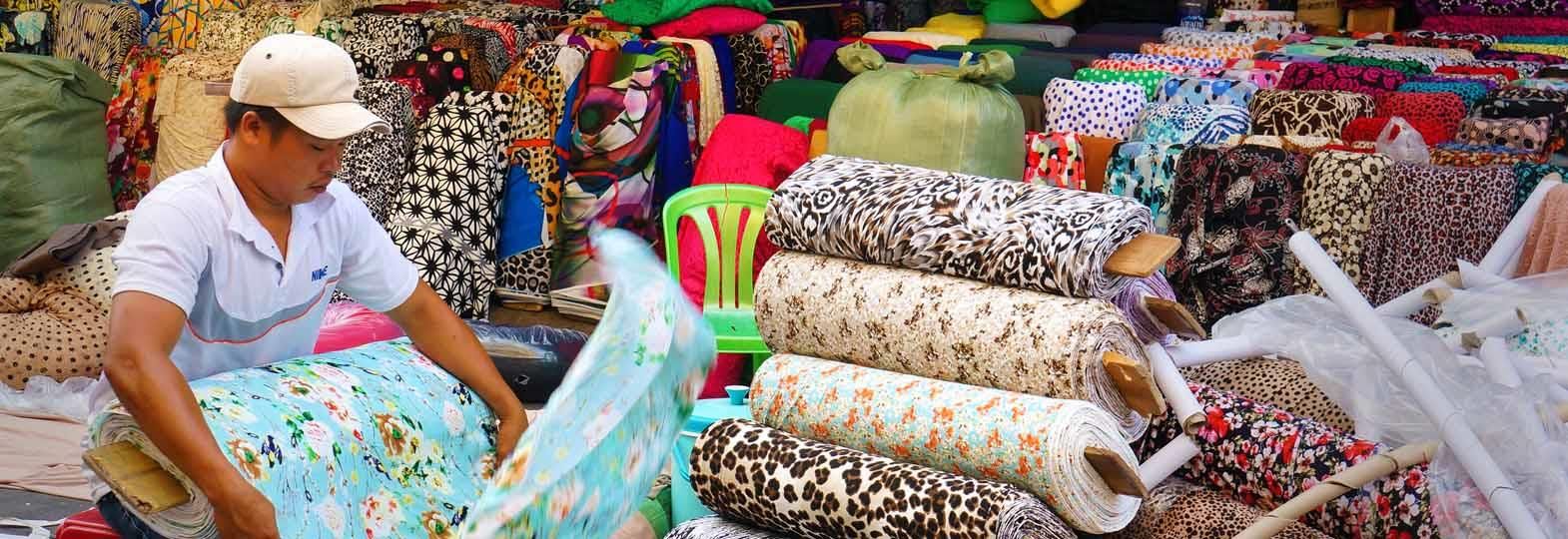
There comes a time in every major exporting country when upstream suppliers call for localisation. This article discusses whether it will be a good idea for Vietnam to move towards manufacturing more of its fabric locally and thereby decreasing its import
2024-11-04read more >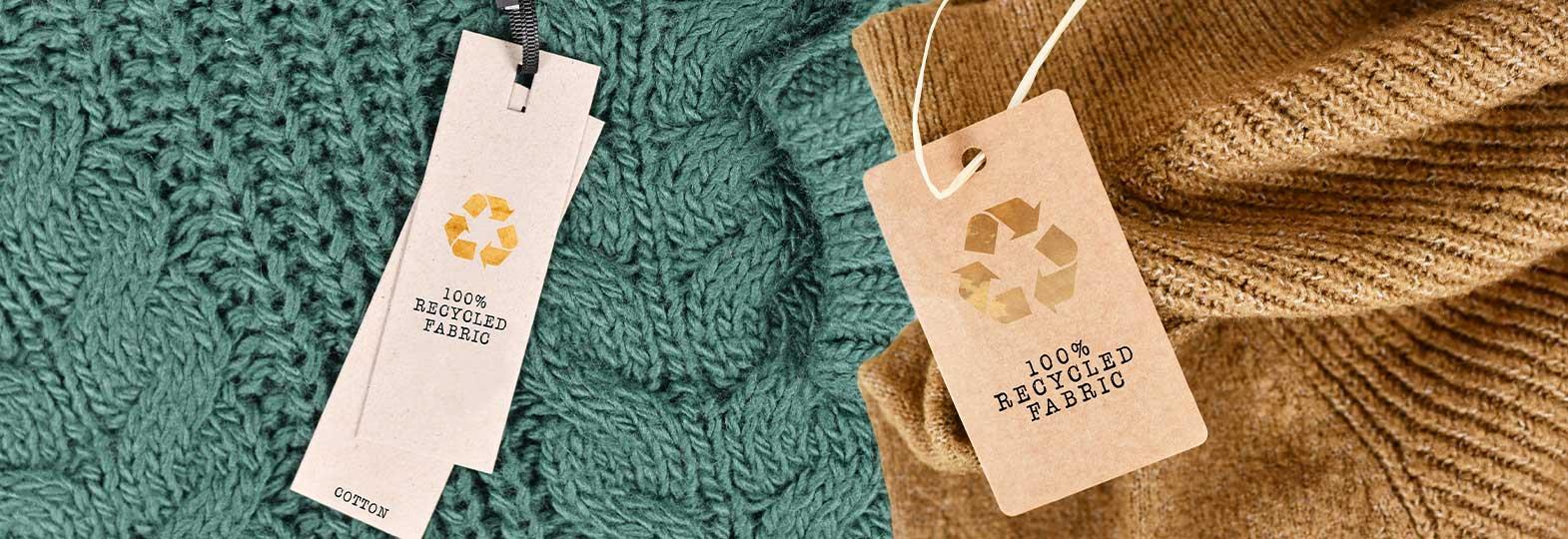
It is not just the waste element from fast fashion that is the problem, but also the unsustainable practices that accompany its production. As a result, the cost of the worlds apparel is stretching much further than its price tag. So, the apparel industry
2024-11-04read more >
Total quantity of raw silk production in India has increased from 26,480 mt in 2014 to 34,900 mt in 2022. Maximum raw silk production of 35,820 mt was registered in the year 2020. This is a good sign for the Indian industry, as rising trend of raw silk cu
2024-11-04read more >
Digital technologies are having a major impact on the textile industry by allowing developments such as designs to be seen instantly without any physical presence, creating online selling platforms that result in faster production timelines throughout the
2024-11-04read more >
3D design and AR technology have the potential to revolutionise the entire apparel production process by making it faster, more efficient, and more sustainable. These tools are transforming the industry, allowing for a more streamlined design and producti
2024-11-04read more >Copyright © 2024 SBS Corporation All Rights Reserved.