
Hemp is a versatile crop with numerous uses in several fields. However, due to its association with marijuana, it has been stigmatised and misunderstood for decades, leading to its illegality in many countries. This article highlights the growing movement
2024-11-04read more >
The fashion industry is currently undergoing a paradigm shift towards circular fashion, which prioritises sustainability and resource efficiency. By adopting circularity principles and sustainable design strategies such as cradletocradle, cradletogate, an
2024-11-04read more >
We can support sustainable clothing companies in their pursuit of an ecofriendlier fashion industry by stocking our wardrobe with items made of sustainable materials. Additionally, educating ourselves on sustainability and ethical practices of the brands
2024-11-04read more >
Choosing to use and wear vegan fabrics is a small, yet meaningful way to make a difference in protecting our planet. By making ethical and environmentally responsible purchasing decisions and opting for materials that are more sustainable and environmenta
2024-11-04read more >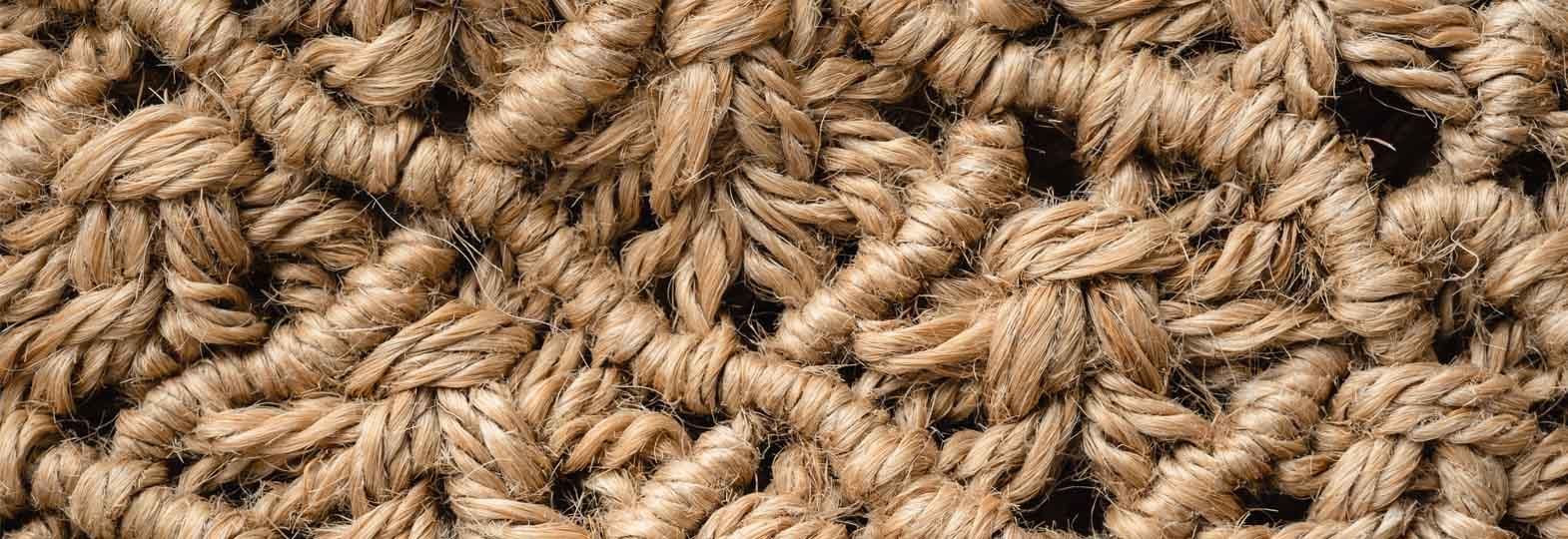
Jutealso known as the golden fibre is mainly used to make sacks and cloth for wrapping bales of cotton, as containers for growing young plant, in the production of pulp and paper, many household products and nonwoven textiles. Its antistatic properties an
2024-11-04read more >
The silkworm as well as the cocoon size of Bombax mori is much smaller compared to the Tasar silkworm species Antheraea mylitta, the host food plant of which are forest trees of Arjun, Asan and Sakhua. What makes a Tasar silk unique is that it is indigeno
2024-11-04read more >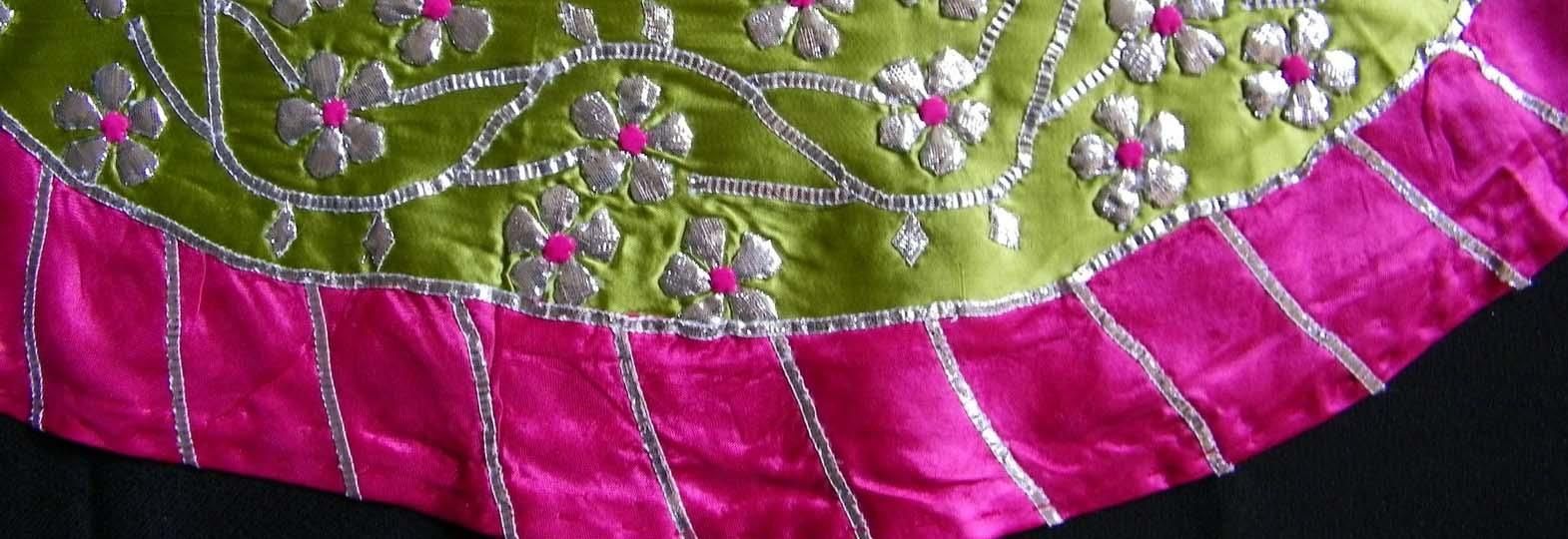
Each craft of India deserves due recognition and appreciation from craft enthusiasts. Phool patti work needs a major revival and promotion at a large scale in order to increase its popularity. Appropriate efforts of researchers and startup labels could co
2024-11-04read more >
Fashion must acknowledge an ingrained reality It is a polluting, resourceintensive sector, and its future success depends on minimising its impact on the environment and society by adopting sustainable practices throughout the whole garment production cyc
2024-11-04read more >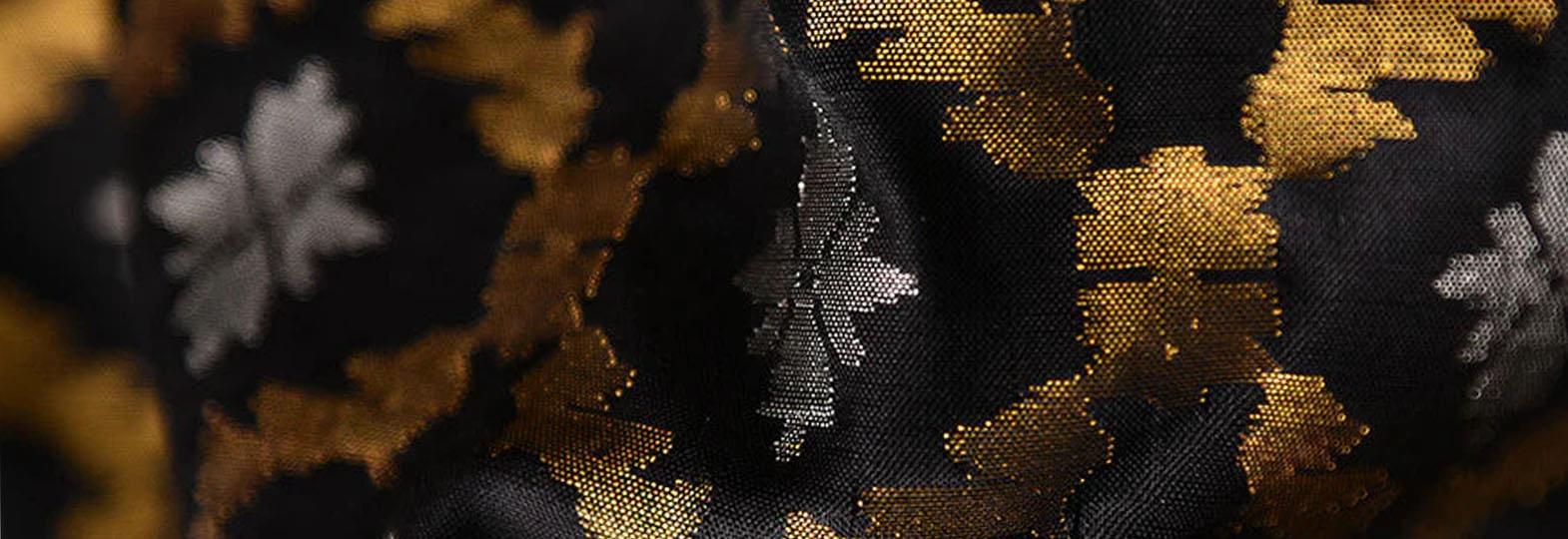
Uppada Jamdani sarees feature unique motifs, predominantly floral and geometric shapes arranged diagonally. These motifs draw inspiration from Persian designs and have evolved to incorporate local flora, indigenous symbols, and plants. Persian motif names
2024-11-04read more >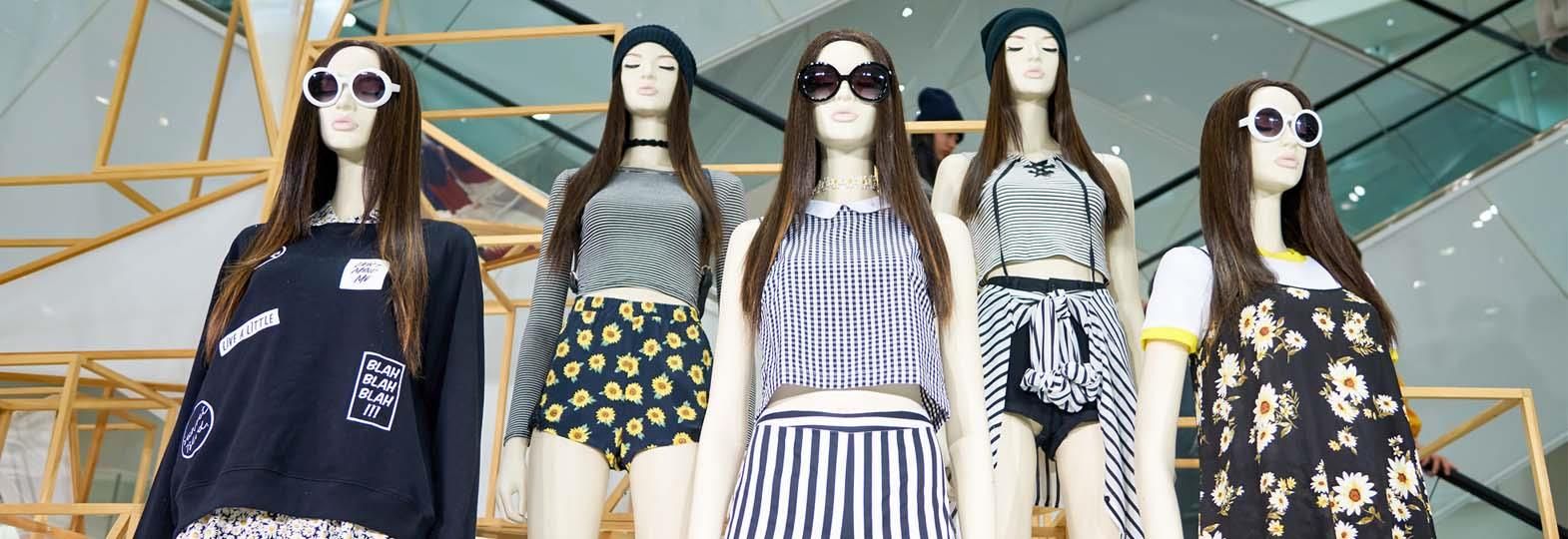
In recent years, the US has employed Section 301 to target Chinas trade practices. With China being a major player producing a significant portion of the worlds textiles and apparel, the global fashion garment industry has been particularly affected. The
2024-11-04read more >_Big.jpg)
Retail warehouse audit is an annual inspection process conducted to determine the performance and efficiency, involving indepth observations of all operations, processes, performance calculations, and equipment. It is a crucial process ensuring that the w
2024-11-04read more >
A fashion show is a promotional event where new fashion collections are presented on real models, showcasing garments to potential customers and industry professionals. The collections are worn by models as they walk the ramp, presenting a true representa
2024-11-04read more >_Big.jpg)
Brutalism is a bold, minimalist, and functional design style. In fashion and technology, it provides a refreshing alternative to industry excesses. By embracing minimalism and utility, designers create stylish and practical products. The intersection of f
2024-11-04read more >_Big.jpg)
For over 500 years, Kashmiri artisans have mastered the art of sozni embroidery. Its intricacy ranges from five to 500 stitches per centimetre, making it a highly specialised and delicate hand embroidery. This exquisite craft is unique to Kashmir and is c
2024-11-04read more >_Big.jpg)
Traditional textiles in India are making a comeback in fashion as consumers seek culturally authentic products. Handmade and rich in history, these textiles face challenges from modernisation. However, efforts to revive traditional techniques, supported b
2024-11-04read more >
Logofree luxury is a trend characterised by minimalistic, highquality clothing without logos. It represents thoughtful shopping, sustainability, and a shift towards neutral colours. It extends to interior decoration, emphasising minimalism and attention t
2024-11-04read more >
Indian wedding fashion industry is diversifying beyond bridal wear, with demands for a wider array of styles and garments. However, recent surveys show sales have dropped, with manufacturers attributing this to an economic slowdown and high garment prices
2024-11-04read more >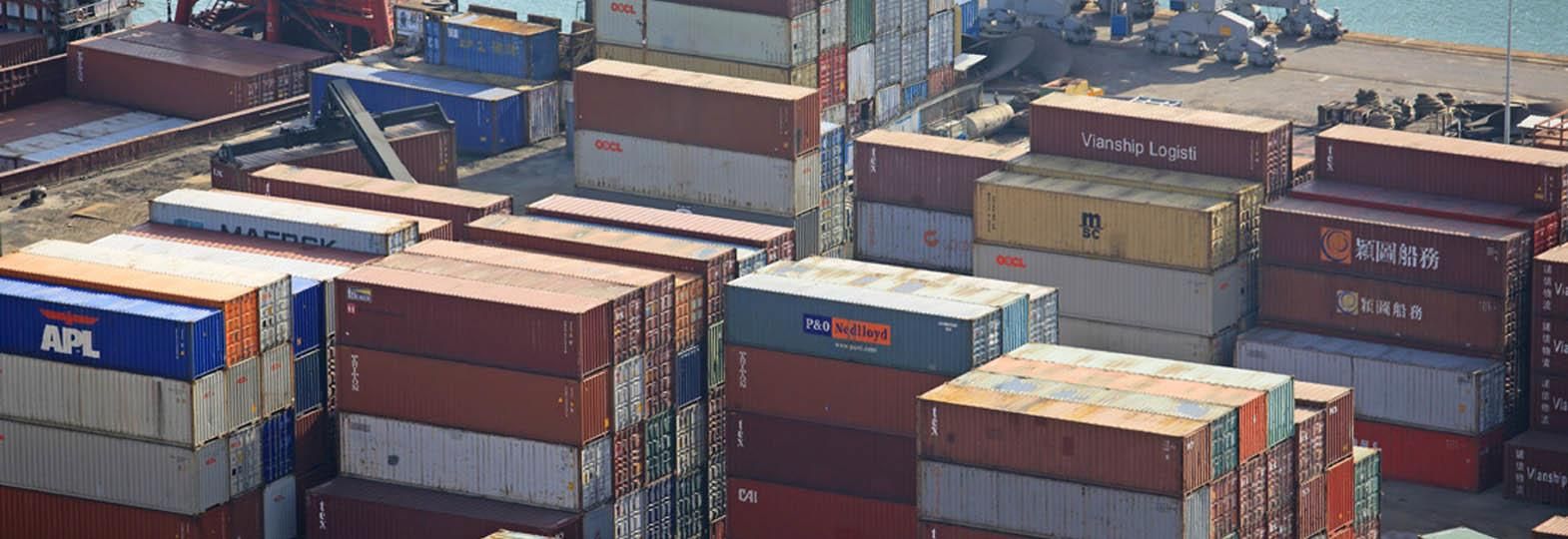
Politicising trade, even for what we believe to be for the best of reasons, invariably leads to serious unforeseen consequences that affect countries and people totally unrelated to the original issue. Nowhere is this more obvious than the US governments
2024-11-04read more >
D2C brands in India face rising shipping costs while aiming to satisfy customer expectations. To regulate these costs, brands can consolidate orders, prevent failed deliveries, leverage technology, and use crowdsourcedhyperlocal partners. These measures o
2024-11-04read more >
The psychology of fashion studies why people dress the way they do. Reflecting selfexpression and identity, clothing choices are influenced by personality, cultural norms and social expectations. Factors like conformity, originality, and social status boo
2024-11-04read more >
Innovation meets performance and comfort in the world of sportswear fabrics. This article explores the functional requirements, comfort characteristics, and smart technologies that have transformed athletic apparel. It also unveils the secrets behind the
2024-11-04read more >
Effective inventory management is vital in fashion retail to meet demand, minimise stockouts, control costs, and optimise supply chains. It enables adaptation to trend, manages seasonality, mitigates fashion risk, and supports promotions. Strategies like
2024-11-04read more >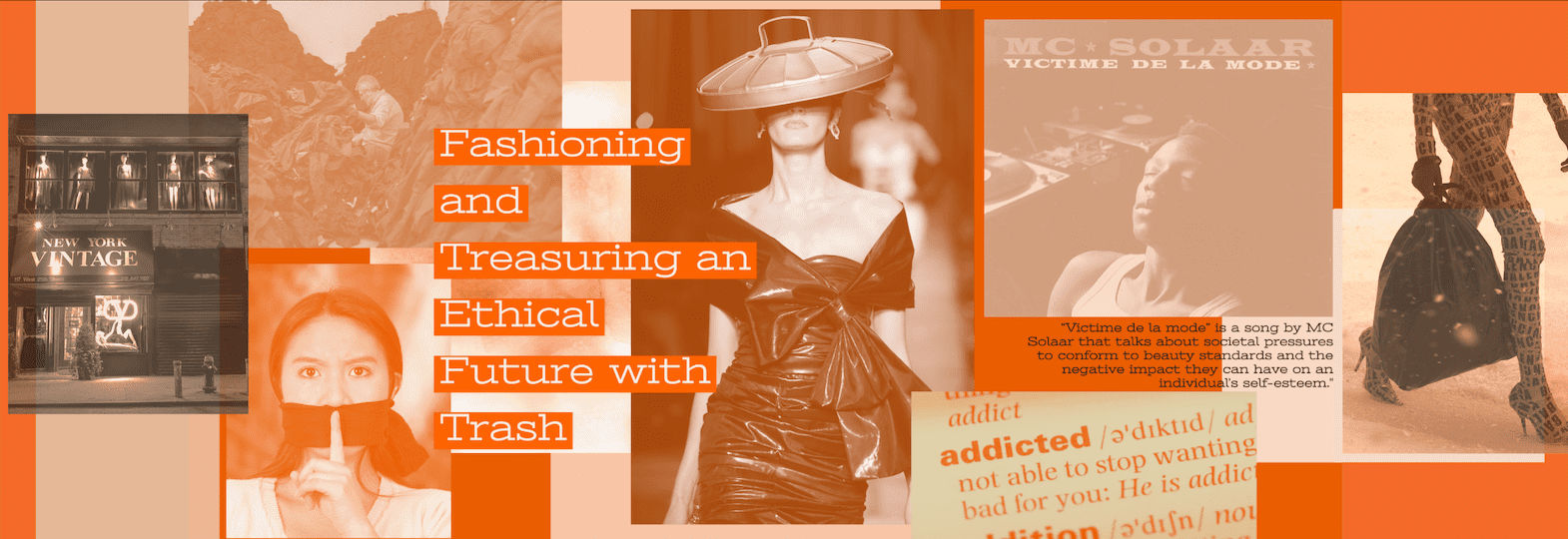
Fast fashions ultrafast phenomenon, driven by micro trends and social media, is unsustainable, causing climate change and resource depletion. The second most polluting sector, fashion emits high carbon dioxide and consumes massive water. Initiatives like
2024-11-04read more >_Big.jpg)
Fashion industry is adopting digital identity and product passports for sustainability and transparency. Digital IDs are QR codes or digital twins, while product passports include data on materials, production, and impact. The benefits include enhanced co
2024-11-04read more >_Big.jpg)
Automation is transforming the fashion industry, enhancing efficiency and enabling customisation in garment making. Countries like China, Bangladesh, and Vietnam are leading the way with automated cutting, sewing, and assembly systems. Yet, it brings pote
2024-11-04read more >Copyright © 2024 SBS Corporation All Rights Reserved.